That sleek, custom kitchen you’ve been pinning for years doesn’t necessarily require a sledgehammer and a six-figure renovation. The secret to achieving that coveted built-in refrigerator look—where appliances blend seamlessly into cabinetry rather than jutting into traffic paths—might be simpler than you think. Counter-depth bottom-freezer refrigerators have emerged as the go-to solution for homeowners craving high-end aesthetics without the high-end construction mess.
Unlike traditional refrigerators that protrude 6-8 inches beyond your countertops, counter-depth models align nearly flush with your cabinets, creating that integrated appearance designers love. When you combine this silhouette with a bottom-freezer configuration, you get eye-level access to fresh foods (where you reach 90% of the time) while maintaining a clean, professional kitchen profile. Let’s explore everything you need to know to choose the perfect model that delivers built-in style without touching a single wall stud.
Top 10 Counter-Depth Bottom-Freezer Refrigerators Built-In
Detailed Product Reviews
1. Sharp SJB1255GS Bottom-Freezer Counter-Depth Refrigerator, 24 Inch, 11.5 Cubic Foot, Garage Ready

Overview: The Sharp SJB1255GS is a compact 24-inch counter-depth refrigerator designed for space-conscious kitchens and garage installations. With 11.5 cubic feet of total capacity, this bottom-freezer model prioritizes efficiency and specialized storage over raw size, making it ideal for apartments, condos, or as a secondary unit for beverages and overflow items.
What Makes It Stand Out: The garage-ready designation sets this apart, ensuring reliable operation in fluctuating temperatures from 0°F to 110°F. The innovative Vacation Mode allows you to shut down the refrigerator section while keeping the freezer running—a rare feature that saves energy during extended absences. The removable wine rack and Fresh Converter Drawer demonstrate Sharp’s attention to versatile storage, letting you customize space for wine bottles or switch between chiller and crisper modes for produce optimization.
Value for Money: At $1,098.97, this Sharp model offers excellent value for a counter-depth, garage-ready unit from an established brand. While smaller than standard refrigerators, the premium features like Multi Air Flow ventilation and specialized compartments typically appear in models costing $300-500 more. It competes favorably with generic brands while offering Sharp’s reliability and warranty support.
Strengths and Weaknesses: Strengths include compact footprint, garage-ready capability, energy-saving vacation mode, and flexible storage options. The Multi Air Flow system ensures consistent temperatures throughout both compartments. Weaknesses are the limited 11.5 cu ft capacity, which may not suit families larger than two people, and the basic freezer organization without specialized compartments or dividers.
Bottom Line: Perfect for small households, kitchenettes, or as a garage beverage center. The Sharp SJB1255GS delivers premium features in a compact package, making it a smart choice for specific spatial needs rather than primary family use.
2. 17.7 cu. ft. Bottom Freezer Refrigerator in Fingerprint Resistant Stainless Steel, Counter Depth

Overview: This 17.7 cubic foot bottom-freezer refrigerator offers a streamlined, minimalist approach to kitchen appliances. Designed for seamless integration, it focuses on aesthetic appeal and basic functionality rather than advanced features, targeting buyers who prioritize clean lines over technological bells and whistles in their kitchen design.
What Makes It Stand Out: The fingerprint-resistant stainless steel finish and fully recessed handles create an ultra-modern, handle-free appearance that blends effortlessly into contemporary cabinetry. The counter-depth design ensures a built-in look without the custom price tag, making it ideal for kitchen renovations where visual cohesion matters more than storage innovation.
Value for Money: At $1,749, this refrigerator sits at a premium price point despite its modest feature set. You’re primarily paying for the sleek design and finish rather than innovation. While the counter-depth configuration and fingerprint-resistant steel justify some premium, comparable models from established brands offer more features at similar prices, making this a style-over-substance investment that sacrifices functionality for form.
Strengths and Weaknesses: Strengths include the seamless aesthetic, smudge-proof exterior, and true counter-depth fit that enhances kitchen flow. The simple design means fewer components that could potentially fail. However, weaknesses are significant: extremely limited features, no advanced temperature management, no specialized storage options, and ambiguous brand support. The sparse feature list suggests a basic appliance dressed in premium clothing.
Bottom Line: Best suited for design-focused kitchens where appearance trumps functionality. For buyers wanting a modern, handle-free look without custom paneling, it delivers. However, practical-minded consumers will find better value and features elsewhere. Consider this only if seamless integration is your absolute top priority.
3. KoolMore 30-Inch and 18.5 cu. ft. Counter Depth French Door Refrigerator with Three Doors and Deep Freezer in Stainless-Steel (KM-RERFDSS-18C)

Overview: The KoolMore KM-RERFDSS-18C brings French door sophistication to the mid-range market with its 18.5 cubic foot capacity and three-door configuration. This counter-depth refrigerator challenges premium brands by offering contemporary styling and thoughtful organization at an accessible price point from an emerging appliance manufacturer focused on value.
What Makes It Stand Out: The three-door design with double freezer drawers provides superior organization compared to single-drawer models. Dual crispers with independent humidity control allow precise produce preservation, while the double-flow cooling system ensures even temperature distribution throughout. The flat stainless-steel finish with easy-open handles strikes a balance between modern aesthetics and practical functionality.
Value for Money: At $1,389, this KoolMore represents exceptional value for a French door refrigerator. Comparable models from legacy brands typically start above $1,700. While the brand lacks long-term reputation, the feature set—including digital temperature control and adjustable glass shelving—matches or exceeds pricier competitors, making it a calculated risk worth taking for budget-conscious buyers wanting premium style.
Strengths and Weaknesses: Strengths include spacious capacity, superior organization with six door bins, humidity-controlled crispers, and competitive pricing. The counter-depth design fits modern kitchens perfectly. Weaknesses center on KoolMore’s limited service network, shorter warranty periods, and absence of a factory-installed ice maker. Build quality may not match premium brands, and parts availability could be an issue.
Bottom Line: An excellent value proposition for first-time homeowners or renovators wanting French door style without the premium price. If you’re comfortable with a newer brand and can live without an ice maker, this offers impressive features and capacity that rival established competitors.
4. BLACK+DECKER 16 Cu. Ft. French Door Refrigerator with Built-in Ice Maker, Full Size Refrigerator with Bottom Mount Freezer Drawer, Frost Free, ENERGY STAR certified, BRF1600GIMB, Black

Overview: BLACK+DECKER’s BRF1600GIMB French door refrigerator combines trusted brand recognition with practical features in a 16 cubic foot package. This mid-size model targets buyers seeking the elegance of French doors plus the convenience of a built-in ice maker without jumping to premium price tiers, backed by a century-old brand name.
What Makes It Stand Out: The integrated ice maker producing 3.5 lbs daily sets this apart in the mid-range segment, where this feature often commands a $200+ premium. ENERGY STAR certification ensures operating efficiency, while digital temperature control provides precise climate management for both compartments. The frost-free operation eliminates manual defrosting—a convenience that shouldn’t be overlooked in busy households.
Value for Money: Priced at $1,573.99, this BLACK+DECKER offers fair value considering the brand name and ice maker inclusion. While capacity is modest at 16 cu ft, the feature set is comprehensive for the price point. You’re paying for reliability and service network access rather than cutting-edge innovation, which suits practical buyers who prioritize proven performance over flashy features.
Strengths and Weaknesses: Strengths include the trusted brand reputation, built-in ice maker, energy efficiency, digital controls, and frost-free convenience. The French door style adds kitchen elegance. Weaknesses are the smaller capacity compared to similarly priced competitors, basic interior layout without specialized drawers, and potential noise levels typical of ice maker models. The black finish may limit kitchen design flexibility.
Bottom Line: A solid, reliable choice for small to medium households prioritizing brand trust and ice maker convenience. If you value proven reliability over maximum capacity, this BLACK+DECKER delivers essential features with the backing of an established service network and warranty program.
5. French Door Refrigerator 22.5 cu.ft, Frost Free Counter Depth Refrigerators, LED Lighting Stainless Steel Kitchen Refrigerator Bottom Freezer, with Ice Maker for Home Use
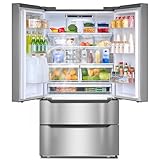
Overview: This 22.5 cubic foot French door refrigerator stands as the largest capacity option in its class, designed for families needing maximum storage within a counter-depth footprint. With independent temperature controls and dual airflow systems, it promises commercial-level preservation in a residential package that doesn’t sacrifice kitchen space.
What Makes It Stand Out: The cavernous interior includes three lockable crisper drawers—a feature rarely seen in residential units—providing humidity-controlled sanctuaries for produce. The built-in ice maker combined with dual airflow cooling ensures consistent temperatures and continuous ice supply. Fingerprint-resistant stainless steel maintains appearance in busy households, while the frost-free system simplifies maintenance.
Value for Money: At $1,799, this model commands the highest price but justifies it with superior capacity and features. Costing only slightly more than smaller competitors, you’re gaining 4+ cubic feet of additional storage and enhanced organization. For large families, the per-cubic-foot cost is actually competitive, though brand reliability remains an unknown factor that requires warranty verification.
Strengths and Weaknesses: Strengths include massive 22.5 cu ft capacity, three crisper drawers, ice maker, fingerprint resistance, and dual airflow technology. The counter-depth design despite large capacity is impressive engineering. Weaknesses are the premium price point, unknown manufacturer reputation, potential service challenges, and dimensions that may overwhelm smaller kitchens. LED lighting is standard but appreciated.
Bottom Line: Ideal for large families or serious home cooks requiring maximum organized storage. If you can verify warranty and service support, this offers unmatched capacity and features for the price. However, the unknown brand warrants careful consideration of long-term reliability before purchasing.
6. Kenmore 36" French Door Refrigerator with Freezer - Accela Chill, Adjustable Shelving, Humidity Controlled Crispers, ENERGY STAR Certified, 20.3 cu. ft. Capacity, Fingerprint Resistant Stainless Steel
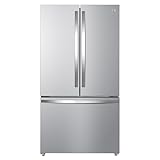
Overview: This Kenmore French door refrigerator delivers a premium built-in aesthetic at a mid-range price point. The 36-inch counter-depth design provides 20.3 cubic feet of storage while sitting flush with cabinetry, creating a seamless kitchen profile. Engineered for modern households, it balances style with practical food preservation technology.
What Makes It Stand Out: The Accela Chill feature rapidly cools fresh groceries, while the inverter compressor maintains consistent temperatures with minimal noise and energy consumption. The full-width pantry drawer accommodates party platters and deli trays, and dual evaporator technology prevents odor transfer between compartments. Humidity-controlled crispers and deep gallon door bins offer exceptional organizational flexibility.
Value for Money: At $1,518.46, this model sits comfortably in the mid-range category for counter-depth French door refrigerators. You’re getting premium features like dual evaporators and rapid chilling typically found in higher-priced models. The ENERGY STAR certification ensures long-term utility savings that offset the initial investment compared to standard-depth alternatives.
Strengths and Weaknesses: Pros: Sleek counter-depth design, rapid cooling technology, quiet inverter compressor, excellent humidity control, dual evaporators prevent odor mixing, fingerprint-resistant finish, energy efficient. Cons: Ice maker produces only 4 lbs daily (modest for large families), lacks through-door water dispenser, counter-depth limits total capacity versus standard models.
Bottom Line: Ideal for design-conscious buyers seeking a built-in look without premium pricing. The Kenmore excels at food preservation and kitchen integration, though families prioritizing ice and water dispensing may need to look elsewhere.
7. BLACK+DECKER 18 Cu. Ft. French Door Refrigerator with Built-in Ice Maker, Full Size Refrigerator with Bottom Mount Freezer Drawer, Frost Free, ENERGY STAR certified, BRF1800GIMS, Stainless Look

Overview: BLACK+DECKER enters the French door market with this 18 cubic foot model featuring a bottom freezer and integrated ice maker. The stainless-look finish and modern styling make it suitable for contemporary kitchens, while the digital controls offer precise temperature management for both compartments.
What Makes It Stand Out: The digital thermostat provides exact climate control beyond traditional dial systems, and the bottom freezer drawer design puts fresh foods at eye level. The frost-free operation eliminates manual defrosting, and the built-in ice maker produces up to 3.5 pounds daily. The French door configuration saves space in tighter kitchens while offering full-width refrigerator access.
Value for Money: Priced at $1,937.99, this refrigerator commands a premium for the BLACK+DECKER brand name. While the 18 cubic foot capacity is modest for the price, you’re paying for reliability, digital precision, and the convenience of a bottom freezer layout. The ENERGY STAR rating helps justify costs through energy savings over time.
Strengths and Weaknesses: Pros: Trusted brand reputation, precise digital controls, convenient bottom freezer, frost-free maintenance, space-saving French doors, ENERGY STAR efficient. Cons: High cost-per-cubic-foot ratio, smaller 18 cu. ft. capacity limits storage, ice production is modest, no water dispenser, stainless-look may not match true stainless appliances.
Bottom Line: Best suited for smaller households prioritizing brand trust and digital convenience over maximum storage. The price premium is hard to justify against larger competitors, but the quality and features deliver peace of mind.
8. Kenmore 36" Side-by-Side Refrigerator with Freezer - Accela Chill, Water & Ice Dispenser, Adjustable Glass Shelves, ENERGY STAR Certified, 20 cu. ft. Capacity - Fingerprint Resistant Stainless Steel

Overview: This Kenmore side-by-side refrigerator offers 20 cubic feet of counter-depth storage with the added convenience of an external water and ice dispenser. The 36-inch width fits standard kitchen cutouts while providing a built-in appearance. Designed for busy families, it combines accessibility with rapid cooling technology.
What Makes It Stand Out: The through-door dispenser delivers both cubed and crushed ice plus filtered water, a feature rare in counter-depth models at this price. The Accela Chill function quickly cools new groceries, while the multi-flow air system maintains even temperatures throughout. Edge-to-edge spill-proof glass shelves maximize usable space and create a premium interior aesthetic.
Value for Money: At $1,593.89, this represents excellent value for a counter-depth refrigerator with a full dispenser system. Side-by-side models typically cost less than French door configurations, yet you’re getting premium features like rapid chill and fingerprint-resistant stainless steel. The ENERGY STAR certification and efficient inverter compressor ensure operational savings.
Strengths and Weaknesses: Pros: Convenient water/ice dispenser, counter-depth design, rapid cooling feature, even multi-flow air distribution, quiet inverter compressor, fingerprint-resistant finish, bright LED lighting. Cons: Narrow side-by-side shelves limit storage of wide items, less energy-efficient layout than French door models, freezer space is vertically constrained.
Bottom Line: Perfect for families wanting dispenser convenience in a space-saving counter-depth design. The Kenmore side-by-side excels at accessibility and kitchen integration, though bulk item storage requires creative organization.
9. Frigidaire 11.6 Cu. Ft. Compact ADA Top Freezer Refrigerator in White with Electronic Control Panel, Reversible Door Swing, ENERGY STAR
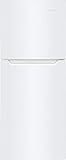
Overview: This Frigidaire compact refrigerator delivers 11.6 cubic feet of storage in a space-saving footprint, making it ideal for apartments, offices, or accessibility-compliant installations. The ADA-compliant height and electronic controls provide modern convenience in a traditional top-freezer configuration. The reversible door swing allows flexible placement in any layout.
What Makes It Stand Out: The electronic control panel offers precise temperature adjustments beyond conventional knob controls, a surprising feature for a compact model. Two humidity-controlled crisper drawers maintain produce freshness, while adjustable glass shelves accommodate taller items. The ENERGY STAR rating ensures efficient operation despite its smaller size.
Value for Money: While price isn’t specified, this model typically retails in the budget-friendly segment for compact refrigerators. You’re getting premium features like electronic controls and humidity crispers normally absent in this category. The ADA compliance and ENERGY STAR certification add value for specific use cases without inflating cost.
Strengths and Weaknesses: Pros: Space-saving compact design, ADA compliant for accessibility, reversible door for placement flexibility, electronic controls for precision, humidity-controlled crispers, energy efficient, LED lighting. Cons: Limited 11.6 cu. ft. capacity unsuitable for large families, no ice maker or dispenser, top freezer requires bending for fresh foods, white finish may not suit all décor.
Bottom Line: An excellent choice for small spaces, secondary storage, or accessibility requirements. The Frigidaire compact proves that small stature doesn’t mean sacrificing modern features, though capacity constraints limit its appeal for primary family use.
10. DUURA Elite DE210FDBMDSS Refrigerator Built in with French Doors Adjustable Glass Shelves Dual Drawer Bottom Freezer with Ice Maker, LED Interior Light and Stainless Steel Exterior, 36-Inch, Metallic

Overview: The DUURA Elite offers 20.7 cubic feet of capacity in a built-in ready French door configuration at a compelling price point. Measuring 36 inches wide with front exhaust, it’s designed for seamless kitchen integration. The dual-drawer bottom freezer and adjustable cantilever shelving provide flexible storage options for discerning home chefs.
What Makes It Stand Out: Dual freezer drawers organize frozen foods more efficiently than single compartments, while the front-exhaust design enables true built-in installation without ventilation gaps. Adjustable cantilever shelves, humidity-controlled crispers, and gallon door bins deliver premium interior flexibility. The metallic stainless finish provides a commercial-kitchen aesthetic.
Value for Money: At $1,399.99, this is exceptional value for a built-in capable French door refrigerator with dual freezer drawers. Comparable built-in models often cost twice as much. You’re getting professional-grade features like front exhaust and cantilever shelving at a freestanding price point, making it ideal for kitchen renovations on a budget.
Strengths and Weaknesses: Pros: Outstanding price for built-in design, dual freezer drawers enhance organization, front exhaust for seamless installation, large 20.7 cu. ft. capacity, adjustable cantilever shelves, premium metallic finish. Cons: Lesser-known brand may have uncertain long-term reliability, ice maker capacity unspecified, limited service network, may lack advanced smart features of premium brands.
Bottom Line: A smart choice for renovators wanting built-in style without premium cost. The DUURA Elite delivers impressive features and capacity at an unbeatable price, though brand recognition and support lag behind established competitors.
What Exactly Is a Counter-Depth Bottom-Freezer Refrigerator?
Decoding the Dimensions: Standard vs. Counter-Depth
Counter-depth typically means 24-30 inches deep (excluding handles), compared to standard-depth models that run 30-36 inches deep. However, the critical measurement is how far the unit extends past your 24-25 inch deep countertops. True counter-depth models sit within 1-2 inches of your counter edge, while some “counter-depth” marketing claims can stretch to 3-4 inches of overhang—still better than standard, but not truly flush.
The bottom-freezer designation refers to the freezer compartment location beneath the refrigerator section. This configuration uses a pull-out drawer or swing door design that maximizes frozen storage accessibility while keeping fresh foods at waist-to-eye level where they’re easiest to access.
The Bottom-Freezer Advantage
Beyond ergonomics, bottom-freezer designs contribute to the built-in aesthetic by creating a more symmetrical, furniture-like appearance. The wider refrigerator compartment sits atop a narrower freezer base, mimicking the proportions of custom cabinetry. This visual balance works particularly well in kitchens where the refrigerator anchors a run of cabinets rather than standing alone.
The Built-In Illusion: Achieving Custom Kitchen Style Without Construction
How Counter-Depth Creates Seamless Integration
The built-in look hinges on that minimal gap between appliance and cabinetry. Quality counter-depth models feature zero-clearance doors that can open 90 degrees without hitting adjacent cabinets, allowing for true flush installation. Look for models with door stops that prevent handles from damaging surrounding woodwork—this small detail separates pro-grade designs from basic counter-depth options.
Side panels become crucial when your refrigerator isn’t fully enclosed by cabinets. Many manufacturers offer matching finish panels that extend the appliance’s depth to create a built-in appearance from all angles. These panels typically attach to the refrigerator sides and extend to the wall, eliminating the “floating” effect that screams aftermarket addition.
Panel-Ready vs. Professional-Style Finishes
Panel-ready models accept custom cabinet fronts that match your kitchen exactly, creating true built-in integration. These require precise measurements and professional installation but deliver the most authentic custom look. The refrigerator essentially disappears into your cabinetry, visible only by the subtle reveal of door seams.
Professional-style stainless steel finishes offer an alternative approach. These feature commercial-inspired designs with robust handles and minimalist branding. While they don’t hide the appliance, they elevate it to a design statement that complements rather than competes with your cabinetry. Many homeowners prefer this look in transitional or industrial-style kitchens where the refrigerator becomes an intentional focal point.
Space Planning: The No-Remodel Installation Guide
Critical Measurements Every Homeowner Must Take
Start with the absolute width of your space—then subtract 1/4 inch for installation clearance. Measure at the countertop, at the base, and at any upper cabinet restrictions. Many older homes have settled, creating width variations you must account for. Height measurements should consider any crown molding or bulkheads; some models offer adjustable top grills to accommodate slightly tight fits.
Depth gets tricky. Measure from the back wall to the front edge of your countertop, then subtract the thickness of any backsplash. Remember that handles add 2-4 inches beyond the stated cabinet depth. If you have a kitchen island opposite the refrigerator, maintain at least 42 inches of clearance (48 inches is ideal) for comfortable passage with doors open.
Clearance Requirements and Ventilation Essentials
Even without remodeling, you must provide adequate airflow. Most counter-depth models require 1/2 to 1 inch of clearance on sides and top for proper ventilation. Built-in models often use front-venting systems that exhaust through the toe kick or behind the bottom grille, allowing for tighter installations.
Check the manufacturer’s specifications for “zero-clearance” claims—this typically applies only to door swing, not ventilation. Inadequate airflow forces compressors to work harder, reducing lifespan and increasing noise. If you’re installing in a tight alcove, consider a model with active ventilation management or plan for discreet vent cutouts in adjacent cabinetry.
Door Swing Dynamics and Kitchen Traffic Flow
Bottom-freezer models use either French doors (two narrow doors on top) or a single refrigerator door. French doors require less clearance per door but need space in the center for both doors to open. Single-door models swing wider but work better in galley kitchens where one side abuts a wall.
The freezer drawer typically requires 18-24 inches of pull-out space in front of the unit. Ensure your kitchen layout accommodates this—nothing’s more frustrating than a freezer drawer that hits an island or opposite cabinet. Some models feature split freezer drawers that reduce the extension distance but compromise on storage flexibility.
Design Features That Elevate the Aesthetic
Hidden Hinges and Flush Installation Details
Quality counter-depth refrigerators conceal hinges within the door structure or cabinet frame, eliminating the bulky hardware that breaks the built-in illusion. Look for “integrated hinge systems” that allow doors to sit within 1/8 inch of adjacent cabinets when closed. These systems often include soft-close mechanisms that prevent slamming and protect your cabinetry.
The door gap—space between refrigerator and freezer doors—should be minimal and consistent. Premium designs use magnetic gaskets that compress to 3/16 inch or less, creating a nearly seamless vertical line. This detail matters enormously in achieving that custom, integrated appearance.
Handle Styles and Hardware Finishes
Handle design communicates style louder than almost any other feature. Tubular bar handles in brushed stainless suggest professional kitchens, while integrated pocket handles create a more minimalist, European aesthetic. Some models offer interchangeable handle sets, allowing you to update your kitchen’s look without replacing the appliance.
Consider handle projection—how far they extend from the door face. Deeper projections (2+ inches) offer easier gripping but increase the overall depth and can catch on passing clothing. Shallow projection handles (1-1.5 inches) maintain cleaner lines but may feel less substantial. The sweet spot for built-in style typically sits at 1.5-1.75 inches.
Interior LED Lighting and Display Integration
Exterior displays should be subtle, disappearing when not in use. The best models position controls inside the door frame or use proximity sensors that illuminate only when you approach. Bright, always-on displays destroy the built-in illusion faster than any other design flaw.
Interior lighting quality varies dramatically. Edge-lit LED panels create even, shadow-free illumination that showcases your food (and your organized shelves) beautifully. Some models feature separate lighting zones that activate based on which door opens, reducing energy use while maintaining visibility.
Performance Metrics That Separate Good from Great
Cooling Technology and Temperature Management Systems
Dual evaporator systems separate refrigerator and freezer air circulation, preventing flavor transfer and maintaining optimal humidity in each compartment. This technology, once reserved for built-in models, now appears in premium counter-depth units and makes a tangible difference in food preservation.
Look for “linear compressors” or “inverter compressors” that adjust speed based on cooling demand rather than cycling on/off. These systems run quieter, use less energy, and maintain more consistent temperatures. Temperature variance should stay within 1-2 degrees Fahrenheit for optimal food safety and longevity.
Noise Levels: What to Expect in Open-Concept Homes
Counter-depth models typically operate at 35-45 decibels, with premium units hitting the low 30s. For context, 40 decibels equals a quiet library, while 35 decibels approaches a whisper. In open-concept kitchens, every decibel matters—compressor noise travels freely without walls to contain it.
Models with compressors mounted on top tend to be quieter at ear level but may produce more noticeable vibration through cabinetry. Bottom-mounted compressors (common in bottom-freezer designs) place mechanical noise near the floor, where it’s less intrusive. Ask about “quiet operation modes” that sacrifice some cooling speed for acoustic comfort during dinner parties or evening hours.
Energy Star Ratings and Long-Term Operating Costs
Energy Star certification is non-negotiable, but dig deeper into the kWh/year rating. A difference of 50 kWh annually might seem minor, but over a 15-year lifespan at average electricity rates, that adds up to $100+ in operating costs. Counter-depth models typically use 10-15% more energy than standard-depth equivalents due to less insulation space, making efficiency features more critical.
Consider the cost of replacement water filters and their lifespan. Some models require $50+ filters every six months, while others use $30 filters lasting a year. These recurring costs often exceed the price difference between efficiency tiers over the appliance’s life.
Interior Configuration and Storage Flexibility
Adjustable Shelving and Drawer Systems
The built-in look means nothing if the interior doesn’t function for your lifestyle. Look for split shelves that adjust independently on front and back tracks, allowing you to customize around tall items without sacrificing overall storage capacity. Spill-proof shelving with raised edges contains messes—a feature that pays dividends when you inevitably knock over a container.
Door bins should be adjustable and removable for cleaning. Gallon-door storage is standard, but the best designs position these bins at multiple heights to accommodate everything from wine bottles to milk jugs. Some models feature “flex zones” that convert from refrigerator to freezer temperatures, perfect for holiday entertaining or bulk shopping seasons.
Specialized Compartments for Modern Food Storage
Preservation drawers with humidity controls extend produce life dramatically. Dual-zone crisper drawers let you optimize for leafy greens (high humidity) versus fruits (low humidity). Some advanced models include ethylene gas absorbers that slow ripening, a feature borrowed from commercial food service.
Deli/meat drawers with adjustable temperature settings (typically 29-33°F) keep perishable proteins at optimal temperatures without freezing. Look for drawers that slide completely out for easy cleaning and inventory management—partial extension drawers hide items in the back, leading to forgotten food waste.
Freezer Organization in Bottom-Mount Designs
Bottom-freezer organization challenges many buyers. Quality models address this with tiered storage systems: a shallow top tray for frequently used items, a mid-level drawer for bulk goods, and a deep lower bin for large items. Some designs include adjustable dividers and removable baskets that transform the space from a “deep freeze pit” into an organized pantry.
Consider models with a “flex drawer” between refrigerator and freezer compartments. These middle compartments can serve as extra refrigerator space, a soft-freeze zone for ice cream, or a dedicated beverage cooler—adapting to your changing needs without requiring a separate appliance.
Smart Features and Connectivity Options
Wi-Fi Capabilities and App Integration
Smart refrigerators now offer genuine utility beyond gimmicks. Door-open alerts prevent energy waste and food spoilage—particularly valuable in households with children. Temperature monitoring with push notifications alerts you to power outages or mechanical issues before you lose a refrigerator full of groceries.
Look for apps that provide filter replacement tracking, energy usage reports, and remote temperature adjustment. Some systems integrate with grocery apps, allowing you to inventory contents by scanning items as you put them away. The most sophisticated models even suggest recipes based on available ingredients, though this feature remains more novelty than necessity for most users.
Voice Control and Smart Home Ecosystem Compatibility
Integration with Alexa, Google Home, or Apple HomeKit allows hands-free temperature adjustments and status checks while cooking. “Alexa, add milk to my shopping list” or “Hey Google, set the refrigerator to party mode” represent the current state of voice control utility.
Consider your broader smart home plans. A refrigerator that integrates with your security system can flash interior lights when the alarm detects motion, deterring late-night snack thieves. Integration with energy management systems allows the refrigerator to enter eco-mode during peak electricity pricing hours, automatically resuming normal operation when rates drop.
Budget Realities and Value Assessment
Understanding Price Tiers and Feature Correlation
Entry-level counter-depth bottom-freezer models start around $1,500-$2,000, offering the flush fit but limited features. Mid-range options ($2,000-$3,500) add dual evaporators, better interior lighting, and some smart features. Premium models ($3,500-$6,000+) deliver true built-in quality with panel-ready options, advanced preservation technology, and whisper-quiet operation.
The price jump from mid-range to premium often reflects construction quality more than features. Thicker insulation, heavier-duty hinges, and more precise temperature control justify the cost for serious home cooks but may be overkill for casual users. Consider how long you plan to stay in your home—premium models retain value better and appeal more to future buyers.
Warranty Coverage and Service Network Considerations
Standard warranties run one year parts and labor, with extended compressor coverage (5-10 years) common. Read the fine print: some “10-year compressor warranties” cover only the part, not the $300+ labor cost for replacement. Premium brands often include 2-3 years full coverage plus longer component warranties.
Research the service network in your area before buying. A great warranty means nothing if the nearest authorized technician is 100 miles away. Check online reviews specifically for service experiences, not just product reliability. Some manufacturers offer concierge installation services that include precise leveling and door alignment—worth the extra cost for achieving true built-in aesthetics.
Common Pitfalls and How to Avoid Them
Measurement Errors That Derail Projects
The most expensive mistake is assuming your space is square. Use a 6-foot level to check if walls plumb vertically and if floors are level horizontally. A 1/2-inch floor slope from back to front can prevent proper door sealing. Measure the width at three heights—countertop, mid-point, and top of the opening. Older homes often have settling that creates trapezoid-shaped spaces.
Don’t forget to measure delivery paths. That perfect-fit refrigerator means nothing if it can’t navigate a tight turn in your hallway or fit down basement stairs. Remove interior doors and measure diagonally through doorways—the “box on a dolly” delivery method requires more clearance than the unit’s dimensions suggest.
Overlooking Door Swing Clearances
Counter-depth models position handles closer to adjacent cabinets, increasing collision risk. Test door swing with a cardboard template before delivery. Open the door to 135 degrees (typical for cleaning access) and ensure handles miss surrounding cabinetry by at least 2 inches. French door models need extra clearance in the center—both doors must open simultaneously without hitting each other or the range hood.
Consider the “handedness” of your kitchen. A left-hinge single-door model might look perfect but block traffic flow when open. Some models offer reversible hinges, but this often requires factory parts and technical skill. Decide door swing direction before purchase to avoid expensive modifications or compromised functionality.
Ignoring Ventilation Requirements
That tight alcove might look built-in, but without airflow, your refrigerator will fail prematurely. Never enclose a counter-depth unit on three sides without following manufacturer ventilation specs. Minimum 1/4-inch gaps often prove insufficient in real-world conditions, especially if the adjacent cabinets store heat-generating appliances like toasters.
Create hidden ventilation by raising the toe kick 1/2 inch above standard height or adding discrete slots behind the refrigerator that exhaust into the cabinet cavity. Some homeowners install small, silent computer fans to actively move air in extremely tight installations—overkill for most, but invaluable for problematic spaces.
Maintenance and Care for Longevity
Cleaning and Upkeep Specific to Counter-Depth Models
The flush fit that looks so beautiful makes cleaning trickier. You can’t easily slide the unit forward to clean behind it. Invest in a flat vacuum attachment and crevice tools to remove dust from condenser coils through the front grille. Clean coils every six months—more frequently if you have pets. Clogged coils increase energy consumption by up to 30% and strain the compressor.
Stainless steel finishes require specific cleaners to maintain their appearance. Avoid abrasive cloths and chlorine-based cleaners that damage the protective coating. For panel-ready models, treat the cabinet fronts like your other cabinetry—use matching cleaners and avoid excessive moisture around edges where the panel meets the door gasket.
When Professional Service Is Worth the Investment
Annual professional maintenance pays for itself in extended lifespan and efficiency. Technicians can check refrigerant levels, test door seal integrity, and calibrate temperature controls—tasks beyond typical DIY capabilities. Budget $150-$250 annually for this service, particularly after the warranty expires.
Call professionals immediately for any water leakage. Counter-depth models have less room for error in drainage systems, and water damage behind a flush-fit unit can go unnoticed until catastrophic. Similarly, any temperature fluctuation exceeding 3 degrees from setpoint indicates a failing component that needs immediate attention to prevent food loss.
Frequently Asked Questions
What’s the actual depth difference between counter-depth and standard refrigerators?
Counter-depth models typically measure 24-30 inches deep (excluding handles), while standard-depth units run 30-36 inches. The critical difference is how far they protrude past your 24-25 inch deep countertops. True counter-depth sits within 1-2 inches of the counter edge, whereas standard models extend 6-8 inches into traffic space.
Can I really install a counter-depth refrigerator without any kitchen modifications?
Yes, if your existing space meets the unit’s minimum dimensions and you have adequate clearance for ventilation and door swing. The “no-remodel” promise assumes you’re replacing a standard-depth unit