Gone are the days of chipping away at stubborn ice buildup with a hairdryer or waiting hours for your mini fridge to defrost manually. Today’s compact refrigerators have evolved from simple dorm room staples into sophisticated appliances that rival their full-sized counterparts. The auto-defrost function, once a premium feature reserved for large kitchen refrigerators, has become a game-changer in the compact fridge market, transforming how we store refreshments in offices, bedrooms, and small living spaces.
But not all auto-defrost mini fridges are created equal. Understanding the nuances of this technology, from energy consumption patterns to drainage systems, can mean the difference between a whisper-quiet convenience and a noisy nuisance. Whether you’re a remote worker seeking lunchtime efficiency, a student maximizing dorm space, or a homeowner designing the ultimate entertainment bar, this comprehensive guide will equip you with the knowledge to select the perfect frost-free companion for your needs.
Top 10 Compact Fridges with Auto-Defrost
Detailed Product Reviews
1. roomwell E-Star 2.6 Cu Ft Mini Fridge without Freezer - Black Mini Fridge AUTO DEFROST, Reversible Single Door, Glass Shelf Refrigerator - A Space-Saving Marvel for Your Bedroom, Dorm, and Office
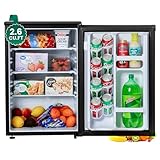
Overview: The roomwell E-Star 2.6 Cu Ft Mini Fridge delivers reliable cooling in a space-saving design perfect for bedrooms, dorms, and offices. This single-door refrigerator offers three glass shelves and thoughtful door storage without the bulk of a freezer compartment.
What Makes It Stand Out: The auto-defrost system eliminates manual maintenance, while the Energy Star-compliant R600a refrigerant consumes only 1 kWh daily—cutting energy costs by up to 50%. The flat back design and reversible door provide exceptional placement flexibility, and the integrated can dispenser offers convenient beverage access.
Value for Money: At $159.99, this fridge competes strongly with similar models. The energy efficiency translates to measurable utility savings, and the auto-defrost feature saves time and effort. Comparable units often lack the eco-friendly credentials and smart storage solutions.
Strengths and Weaknesses: Strengths: Energy-efficient operation; maintenance-free auto defrost; reversible door; flat back design; adjustable thermostat (32-50°F); can dispenser Weaknesses: No freezer compartment; 2.6 cu ft may be small for some users
Bottom Line: An excellent choice for anyone needing compact, efficient refrigeration without freezing capability. Perfect for personal spaces where energy savings and low maintenance are priorities.
2. roomwell 1.4 cu.ft Compact Auto Defrost 120V/12V Refrigerator with No Noise Absorption, Locking Mini Fridge with Lock and Key-Ideal Semi Truck Refrigerator for RV, Camping, Dorm, Office & Travel Use

Overview: The roomwell 1.4 cu.ft Compact Refrigerator redefines portable cooling with its innovative thermoelectric technology. Designed for semi-trucks, RVs, and camping, this dual-voltage unit operates on both 120V and 12V power sources while maintaining whisper-quiet operation.
What Makes It Stand Out: Unlike compressor models, this fridge runs completely silent with no fan or vibration. The locking mechanism with key provides security for shared spaces or mobile applications. Cyclopentane insulation ensures superior temperature retention, and the soft LED interior light enhances visibility without power drain.
Value for Money: Priced at $159.99, it matches larger compressor models but offers unique portability and silence. For truckers, campers, or office workers needing quiet operation, the specialized features justify the cost. Standard fridges can’t match its vibration-free performance.
Strengths and Weaknesses: Strengths: Silent thermoelectric cooling; dual voltage (120V/12V); lock and key; no vibration; lightweight; LED lighting Weaknesses: Very limited 1.4 cu ft capacity; thermoelectric cooling less powerful in hot environments; no freezer
Bottom Line: Ideal for mobile professionals and noise-sensitive environments. If silence and portability trump capacity, this specialized fridge delivers exceptional value.
3. COSTWAY 1.6 Cu.ft Mini Fridge, Compact Refrigerator with Auto Defrost, Single Reversible Door, Adjustable Thermostat for Office, Dorm, Bedroom, Apartment (White)

Overview: The COSTWAY 1.6 Cu.ft Mini Fridge combines retro styling with modern convenience in a compact footprint. This countertop-friendly refrigerator suits apartments, dorms, and offices where both function and aesthetics matter.
What Makes It Stand Out: The vintage-inspired design distinguishes it from generic mini fridges, while the automatic defrost function and built-in LED lighting add contemporary convenience. The reversible door and adjustable feet solve common placement challenges, and the single glass shelf with two bottle racks offers decent organization.
Value for Money: At $159.99, it sits in the competitive mid-range. The stylish appearance adds value for design-conscious buyers, though capacity is modest. The auto-defrost feature matches pricier models, making it a solid aesthetic choice without premium cost.
Strengths and Weaknesses: Strengths: Attractive retro design; auto defrost; reversible door; LED interior light; adjustable thermostat (32-50°F); adjustable feet Weaknesses: Not available in California; only 1.6 cu ft capacity; single glass shelf limits flexibility
Bottom Line: A fashionable and functional option for style-minded users outside California. Best for those prioritizing appearance over maximum storage.
4. roomwell E-Star 3.3 Cu Ft Mini Fridge without Freezer - AUTO DEFROST, Reversible Single Door, Glass Shelf Refrigerator - A Space-Saving Marvel for Your Bedroom, Dorm, and Office

Overview: The roomwell E-Star 3.3 Cu Ft Mini Fridge scales up the popular E-Star series for users needing serious storage without a freezer. This largest-in-line model maintains the series’ energy-conscious design while offering substantially more capacity for apartments and offices.
What Makes It Stand Out: The generous 3.3 cubic feet capacity accommodates far more than typical mini fridges, while retaining premium features like auto-defrost, flat back design, and reversible door. The standout addition is a 2-year replacement warranty, providing rare long-term protection. Energy consumption remains impressively low at 1 kWh daily despite the larger size.
Value for Money: At $284.99, it’s a significant jump from the 2.6 cu ft model. However, the 27% capacity increase and included warranty justify the premium for those needing extra space. Competitors rarely offer such comprehensive coverage.
Strengths and Weaknesses: Strengths: Large 3.3 cu ft capacity; energy efficient; 2-year warranty; auto defrost; reversible door; flat back design; maintains low power consumption Weaknesses: Highest price in category; no freezer; may be overkill for single users
Bottom Line: Worth the investment if you need maximum fridge-only capacity and value warranty protection. The efficiency and features make it a long-term winner.
5. Electactic 3.1 Cu.Ft Mini Fridge with Freezer, 2 Door Compact Refrigerator, Mini Fridge with Adjustable Removable Glass Shelves for Bedroom, Office, Dorm or Apartment, Black

Overview: The Electactic 3.1 Cu.Ft Mini Fridge with Freezer solves the main limitation of other models by adding a dedicated freezer compartment. This two-door unit brings full-service refrigeration to compact spaces like dorm rooms, bedrooms, and offices.
What Makes It Stand Out: The separate freezer with independent temperature control (-1°F to 3°F) allows true frozen food storage, not just slightly colder sections. The dual-zone thermostatic knobs provide precise control, while the R600 compressor ensures rapid cooling under 38dB. Adjustable glass shelves and a dedicated freezer door maximize organization.
Value for Money: At $186.47, it’s only slightly more than freezerless models yet adds genuine freezing capability. This represents exceptional value for those needing ice cream, frozen meals, or ice storage. The price premium is minimal compared to functionality gained.
Strengths and Weaknesses: Strengths: Separate freezer compartment; dual temperature control; quiet operation (<38dB); adjustable glass shelves; good 3.1 cu ft total capacity; affordable freezer option Weaknesses: No automatic defrost; freezer section is small; black finish may not suit all decor
Bottom Line: The best budget option for users who need both refrigeration and freezing. The minimal price increase over fridge-only models makes it an easy recommendation.
6. Avanti Mini Fridge Compact Refrigerator for Home Office or Dorm, Features Compressor Cooling Single Door Removable Shelves Automatic Defrost and Adjustable Temp Control, 1.7-Cu.Ft, Stainless Steel

Overview: The Avanti 1.7-Cu.Ft. Mini Fridge delivers reliable compressor cooling in a sleek stainless steel package perfect for offices, dorms, and bedrooms. This compact unit balances performance with space-saving design, offering automatic defrost and adjustable temperature control without the bulk of a full-size refrigerator.
What Makes It Stand Out: The stainless steel exterior elevates it above typical budget mini fridges, while Energy Star certification ensures operating costs remain low. The compressor cooling system provides consistent temperatures superior to thermoelectric models, and the reversible door with recessed handle offers installation flexibility. Automatic defrost eliminates manual maintenance hassles.
Value for Money: At $129.97, it sits in the mid-range category. You’re paying a premium over basic models for the durable stainless finish, reliable compressor technology, and energy efficiency that saves money long-term. The included one-year manufacturer warranty adds peace of mind, making it a smart investment for daily use.
Strengths and Weaknesses: Strengths include efficient compressor cooling, adjustable/removable shelves for customization, Energy Star efficiency, reversible door design, and a warranty. Weaknesses are the limited 1.7 cu ft capacity with no dedicated freezer compartment, and the price may stretch budget-conscious buyers.
Bottom Line: This Avanti mini fridge excels for users wanting durable, efficient cooling with a premium aesthetic. It’s ideal for beverages and snacks in small spaces where freezer space isn’t critical.
7. Antarctic Star Compact Refrigerator Mini Fridge with Freezer, Single Reversible Door, Dorm Fridge, Wire Shelf, Defrost Button, for Bedroom, Office, kitchen, 1.7 Cu. Ft, Steel

Overview: The Antarctic Star 1.7 Cu. Ft. Mini Fridge offers surprising functionality at a budget price point, featuring a compact freezer compartment and reversible door design. Designed for dorm rooms, offices, and bedrooms, it provides essential refrigeration without consuming much space or making noise.
What Makes It Stand Out: This model’s standout feature is its integrated 0.2 cu ft freezer section—rare in this price class. Seven adjustable temperature settings provide precise control, while the low-noise operation makes it suitable for bedrooms and studies. The reversible door adapts to any layout, and the square, modern aesthetic fits various decors.
Value for Money: At $79.99, this is one of the most affordable mini fridges with a freezer. It sacrifices some premium materials but delivers core functionality that rivals more expensive competitors. For budget-conscious students or office workers, it offers exceptional utility per dollar spent.
Strengths and Weaknesses: Strengths include the lowest price point, freezer compartment, quiet operation, reversible door, and seven temperature settings. Weaknesses involve the basic wire shelf construction, smaller fresh food capacity (1.5 cu ft), and lack of Energy Star certification, which may increase electricity costs over time.
Bottom Line: Perfect for those prioritizing price and basic freezing capability. It’s a no-frills workhorse that reliably keeps items cold without disturbing your space or budget.
8. Igloo 3.2 Cu.Ft. Single Door Compact Refrigerator with Freezer - Slide Out Glass Shelf, Perfect for Homes, Offices, Dorms - Black

Overview: The Igloo 3.2 Cu.Ft. Compact Refrigerator bridges the gap between mini and full-size appliances, offering substantial storage with a dedicated freezer compartment. Its larger capacity makes it suitable for small apartments, shared dorms, or offices where more food storage is necessary.
What Makes It Stand Out: The separate freezer compartment is a major advantage over single-zone mini fridges, allowing true frozen food storage. The slide-out glass shelf provides durability and easy cleaning compared to wire racks. With 3.2 cu ft capacity, it holds significantly more than typical 1.7 cu ft models while maintaining a small footprint.
Value for Money: Priced at $179.99, it offers excellent capacity-per-dollar value. You’re getting nearly double the space of smaller units plus a functional freezer for only $50 more than premium 1.7 cu ft models. This makes it a cost-effective choice for users needing more storage without upgrading to a full-size fridge.
Strengths and Weaknesses: Strengths include generous 3.2 cu ft capacity, separate freezer compartment, sturdy glass shelf, adjustable thermostat, and compressor cooling. Weaknesses are the lack of Energy Star certification, limited color options (black only), and no mention of auto-defrost or reversible door features.
Bottom Line: An excellent middle-ground solution for users who outgrow mini fridges but lack space for full-size units. The dedicated freezer and larger capacity justify the modest price increase.
9. Avanti Mini Fridge for Home Office or Dorm, Auto Defrost with Reversible Door, Energy Star Rated, 2.2 Cu. Ft., Black

Overview: The Avanti 2.2 Cu. Ft. Mini Fridge prioritizes energy efficiency and whisper-quiet operation in a slightly larger package than typical dorm fridges. Its sleek black finish and modern design blend seamlessly into any room, from college dorms to home offices, while maintaining a compact footprint that saves valuable floor space.
What Makes It Stand Out: Energy Star qualification and ultra-quiet operation make this model ideal for noise-sensitive environments like bedrooms and studies. The 2.2 cu ft capacity offers 30% more storage than standard 1.7 cu ft units without significantly increasing external dimensions. Comprehensive safety certifications demonstrate Avanti’s commitment to reliable, family-friendly appliances that meet strict quality standards.
Value for Money: At $219.99, this commands a premium price for its size category. The higher cost is justified through measurable energy savings over time, exceptionally quiet performance that eliminates disruption, and enhanced safety features. For users who value peace, efficiency, and reliability over raw capacity, it delivers compelling long-term value despite the upfront investment.
Strengths and Weaknesses: Strengths include superior Energy Star efficiency, ultra-quiet operation, increased 2.2 cu ft capacity, two adjustable shelves, rigorous safety certifications, and versatile placement options. Weaknesses are the premium price point, absence of a freezer compartment, and limited color choices.
Bottom Line: Best suited for users who prioritize silent operation and energy savings in shared living spaces. It’s a premium appliance that justifies its cost through efficiency and tranquility.
10. Avanti Mini Fridge Compact Refrigerator for Office or Dorm with Reversible Door with Security Lock, Adjustable Glass Shelves and Adjustable Temperature Control and Auto Defrost, 5.2-Cu.Ft., Stainless

Overview: The Avanti 5.2-Cu.Ft. Compact Refrigerator represents the premium end of mini fridges, offering near full-size functionality in a space-saving design. This substantial unit caters to serious users in dorms, offices, or small apartments who require extensive storage and premium features without committing to a standard refrigerator that may not fit.
What Makes It Stand Out: The security lock provides unique protection for shared spaces, while the glass-top crisper drawer preserves produce freshness—features rarely seen in compact fridges. Dedicated 2-liter and gallon door storage, interior lighting, and adjustable leveling legs demonstrate thoughtful design. The generous 5.2 cu ft capacity rivals some apartment-size refrigerators while maintaining a slim 24.5-inch depth.
Value for Money: At $398.67, this is a significant investment approaching full-size fridge prices. However, for spaces where a standard refrigerator won’t fit, it delivers exceptional feature density. The Energy Star certification helps offset operational costs, and the comprehensive feature set eliminates the need for a second appliance, potentially saving money long-term.
Strengths and Weaknesses: Strengths include massive 5.2 cu ft capacity, security lock, durable glass shelves, crisper drawer, interior light, adjustable temperature, auto defrost, and Energy Star efficiency. Weaknesses are the high price point, larger footprint that may not suit all “mini” applications, and potential overkill for users needing only basic beverage storage.
Bottom Line: Ideal for users requiring maximum storage and premium features in a compact package. It’s a feature-rich solution that justifies its premium price through versatility and build quality.
Understanding Auto-Defrost Technology in Compact Refrigerators
The Science Behind Frost-Free Operation
Auto-defrost systems in compact refrigerators operate through a clever cycle of heating and cooling. A small heating element activates periodically—typically every 6 to 12 hours—to melt any frost accumulation on the evaporator coils. This melted water drains through a concealed channel into a collection pan located near the compressor, where the ambient heat naturally evaporates it. Unlike manual defrost models that require you to unplug the unit and wait for ice to melt, this automated process maintains consistent cooling performance without interrupting your access to cold storage.
The technology relies on a defrost timer or electronic control board that initiates the cycle based on either time intervals or sensor readings. Modern compact fridges increasingly use adaptive defrost systems that monitor door openings, humidity levels, and compressor run times to optimize the defrost frequency, reducing energy waste while preventing excessive ice buildup.
Manual vs. Auto-Defrost: Why the Difference Matters
The distinction between manual and auto-defrost extends far beyond convenience. Manual defrost models, while often cheaper upfront, develop ice layers that reduce usable interior space by up to 30% over time. This ice acts as an insulator, forcing the compressor to work harder and consume more electricity. In contrast, auto-defrost units maintain their rated capacity and energy efficiency throughout their lifespan.
For compact fridges specifically, the auto-defrost advantage becomes even more pronounced. These smaller units typically have less air circulation than full-size refrigerators, making them more susceptible to rapid frost accumulation. A manual defrost model in a humid climate might need defrosting monthly, while an auto-defrost version handles the same conditions autonomously, preserving both your time and the integrity of your stored items.
Key Benefits of Choosing a Compact Fridge with Auto-Defrost
Time-Saving Convenience
The most immediate benefit is the elimination of a tedious maintenance task. Manual defrosting can consume 4-6 hours of your day, during which the fridge must remain unplugged with doors open. Auto-defrost technology performs this task in 15-30 minutes while the unit continues operating, often during periods of low usage. This proves invaluable in office settings where downtime means spoiled lunches, or in bedrooms where midnight snack access shouldn’t require advance planning.
Food Preservation Advantages
Consistent temperature maintenance represents a critical advantage for food safety. Manual defrost cycles create temperature spikes that can push perishables into the danger zone (40-140°F), accelerating spoilage and bacterial growth. Auto-defrost systems minimize these fluctuations, keeping temperatures stable within a 2-3 degree range. This stability particularly benefits medications, skincare products, and delicate beverages that require precise storage conditions.
Energy Efficiency Considerations
While the defrost heater does consume electricity, the net energy impact often favors auto-defrost models. A frost-free compact fridge maintains its Energy Star rating consistently, whereas a manual model with significant ice buildup can consume 20-40% more power than its rated efficiency. Over a year, this difference can offset the modest energy used during defrost cycles, especially in models with adaptive defrost controls that minimize unnecessary heating.
Sizing Guide: Finding Your Perfect Compact Fridge Dimensions
Cube Style Mini Fridges
Cube-style models typically range from 1.7 to 2.4 cubic feet, offering the smallest footprint for maximum space efficiency. These units excel in truly tight quarters like under-desk installations or small dorm nooks. However, their compact evaporator design means the auto-defrost system must work more frequently, so examine the drainage capacity carefully. Look for models with elevated drain ports to prevent water backup in these diminutive interiors.
Mid-Size Compact Refrigerators
Spanning 2.5 to 4.4 cubic feet, mid-size units represent the sweet spot for most users. They accommodate taller bottles, small frozen food sections, and provide sufficient interior volume for the auto-defrost system to operate efficiently. These models often include separate freezer compartments with their own defrost cycles, a crucial feature if you plan to store ice cream or frozen meals. Pay attention to the freezer-to-refrigerator ratio, as poorly designed units may prioritize fridge space at the expense of adequate freezer defrosting.
Under-Counter Models
At 4.5 to 6.0 cubic feet, under-counter compact fridges blur the line between mini and apartment-size appliances. These units feature more sophisticated auto-defrost systems with larger evaporator coils and robust drainage mechanisms. Their front-venting design allows built-in installation, but this placement requires careful attention to clearance specifications. The auto-defrost cycle in these models typically runs quieter due to better insulation and larger compressor compartments.
Essential Features to Evaluate Before Buying
Temperature Control Systems
Digital thermostats offer precise temperature management compared to traditional dial controls, crucial for auto-defrost efficiency. Look for models displaying actual temperature readings rather than arbitrary number settings. Some advanced units feature separate controls for refrigerator and freezer compartments, allowing you to optimize each zone independently. This separation prevents the freezer from over-defrosting when only the refrigerator section requires attention.
Interior Configuration and Flexibility
Adjustable shelving transforms a compact fridge from restrictive to versatile. Glass shelves with spill-proof edges contain messes and facilitate auto-defrost drainage better than wire racks. Consider models offering at least two adjustable shelves plus a crisper drawer, even in smaller sizes. The drawer should sit above the drain channel to prevent water accumulation during defrost cycles. Removable shelves also simplify the occasional deep cleaning that auto-defrost models still require.
Door Storage and Accessibility
Door bins must accommodate various container sizes without obstructing the auto-defrost drain path. Models with adjustable or removable door shelves provide flexibility for storing tall bottles or bulky items. Check that the door seal compresses evenly when closed; poor sealing accelerates frost buildup and forces more frequent defrost cycles. Some premium models feature alarm systems that alert you when the door remains ajar, preventing excessive frost formation.
Energy Efficiency Ratings Explained
Understanding ENERGY STAR Certification
ENERGY STAR certified compact refrigerators use approximately 15-20% less energy than federal standards require. For auto-defrost models, certification indicates the defrost system meets efficiency benchmarks without compromising performance. The certification process tests units in real-world conditions, including frequent door openings and high humidity, ensuring the auto-defrost cycle activates optimally rather than excessively.
Estimated Annual Operating Costs
A 3.2 cubic foot auto-defrost compact fridge typically costs $25-35 annually to operate, compared to $20-30 for manual defrost versions. However, factor in the hidden costs: manual models require replacement of spoiled food due to temperature fluctuations and consume more power as ice accumulates. The true cost difference over five years often favors auto-defrost when accounting for food waste and maintenance time value.
Noise Level Considerations for Quiet Operation
Decibel Ratings: What They Mean
Compact fridge noise levels range from 32 dB (whisper-quiet) to 45 dB (normal conversation). Auto-defrost models produce additional sounds during cycles: clicking relays, hissing water drainage, and occasional popping as ice cracks. These sounds typically last 15-20 minutes and occur 2-4 times daily. Manufacturers rarely specify defrost-specific noise levels, so read user reviews focusing on noise complaints. Models with compressor-mounted drain pans tend to amplify drainage sounds, while those with isolated collection systems operate more quietly.
Best Placement Strategies for Minimal Disruption
Strategic placement mitigates noise concerns. Position the fridge away from walls that can act as sound amplifiers, and ensure at least 2 inches of clearance on all sides for proper ventilation and noise dissipation. In bedrooms, place the unit on a vibration-absorbing mat and avoid corners where sound can reverberate. For office use, locate the fridge away from microphone pickup zones and conference call areas. The auto-defrost cycle often occurs on a timer; some models allow scheduling to avoid peak quiet hours.
Design Aesthetics and Finish Options
Stainless Steel vs. Classic Black/White
Stainless steel finishes dominate modern compact fridge designs, offering durability and a premium look that resists fingerprints in high-traffic areas. However, the metallic surface can amplify operational noises, including defrost cycle sounds. Black and white finishes, typically powder-coated, provide better sound dampening and often cost less. Consider the environment: stainless steel excels in office kitchens where appearance matters, while classic finishes suit bedrooms where noise reduction takes priority.
Integration with Existing Decor
Beyond color, examine handle design, control panel placement, and door swing direction. Reversible doors offer installation flexibility crucial for tight spaces. Some models feature hidden controls that maintain a sleek appearance but complicate temperature adjustments. For built-in installations, ensure the auto-defrost venting doesn’t conflict with cabinetry—front-venting models prevent trapped moisture that can damage surrounding materials.
Installation Requirements and Space Planning
Ventilation Clearance Guidelines
Auto-defrost systems generate heat during cycles that must dissipate effectively. Maintain minimum clearances: 2 inches on sides, 3 inches on top, and 1 inch at the rear. Built-in models require front ventilation grilles and additional clearance to prevent heat buildup that can trigger more frequent defrost cycles. In enclosed cabinets, install a small fan to circulate air and prevent the compressor from overheating, which can disrupt the defrost timer sequence.
Electrical Specifications
Most compact fridges require a standard 115V outlet, but auto-defrost models draw additional current during heating cycles—typically 2-3 amps compared to 1-1.5 amps for manual versions. Avoid using extension cords; the voltage drop can interfere with the defrost timer’s precision. If an extension is unavoidable, use a 14-gauge cord no longer than 6 feet. Ensure the outlet isn’t controlled by a wall switch, as accidental power interruption can freeze the defrost cycle mid-process, causing water overflow issues.
Price Ranges and Value Proposition
Budget-Friendly Options
Entry-level auto-defrost compact fridges ($120-180) typically offer basic frost-free operation without advanced features. These models use simple timer-based defrost cycles that run regardless of actual frost buildup. While functional, they may defrost too frequently in dry climates, wasting energy. They also tend to have louder compressors and less effective insulation, making them suitable for garages or utility areas where noise isn’t a primary concern.
Mid-Range Investments
The $200-350 range delivers the best value for most users. These models incorporate adaptive defrost controls, better insulation, and quieter operation. You’ll find improved interior layouts, separate freezer sections with independent defrost cycles, and digital temperature displays. The auto-defrost systems in this category balance efficiency with performance, typically using sensor-based activation that reduces unnecessary cycles.
Premium Compact Models
High-end auto-defrost mini fridges ($400-600) feature commercial-grade components, ultra-quiet operation (under 35 dB), and sophisticated control systems. Some include Wi-Fi connectivity for cycle monitoring and temperature alerts. These units often employ dual-evaporator systems that defrost refrigerator and freezer sections independently, maximizing efficiency. The premium price buys durability—many models in this range offer 5-year warranties on the sealed system and defrost components.
Common Auto-Defrost Issues and Troubleshooting
Drainage Problems
The most frequent issue involves clogged drain lines, causing water to pool inside the fridge. The drain channel can accumulate food particles, mold, or mineral deposits from hard water. Symptoms include water under the crisper drawer or ice forming on the freezer floor. Prevent this by flushing the drain with a mixture of warm water and baking soda every six months. If clogging occurs, use a flexible brush or pipe cleaner to clear the line from the interior drain port to the rear collection pan.
Temperature Fluctuations
Excessive defrost cycles can cause temperature spikes that compromise food safety. This often indicates a faulty defrost timer running too frequently, or a defective door seal allowing humidity influx. Test the seal by closing the door on a dollar bill—if you can pull it out easily, the seal needs replacement. For timer issues, listen for defrost cycles occurring more than every 6 hours; this suggests the timer motor has failed and requires professional replacement.
Unusual Noises During Defrost Cycle
Popping, hissing, or sizzling sounds during defrost are normal, but loud banging or grinding indicates problems. The heating element can expand and contract, causing clicking noises against its mounting brackets. If sounds seem excessive, check that the fridge is level—an unlevel unit stresses components and amplifies vibrations. Persistent loud noises may signal a failing defrost heater or cracked drain pan, both requiring service.
Maintenance Tips for Longevity
Cleaning Best Practices
Even auto-defrost models need quarterly deep cleaning. Unplug the unit and remove all contents, shelves, and drawers. Clean interior surfaces with a solution of one tablespoon baking soda per quart of warm water, paying special attention to the drain port area. Vacuum dust from condenser coils at the rear or beneath the unit—dust buildup forces the compressor to run longer, indirectly affecting defrost cycle timing. Wipe the door seal with mild soapy water, ensuring it remains pliable for proper closure.
Filter Replacement Schedules
Some premium auto-defrost models include air or water filters that require periodic replacement. Carbon air filters, designed to absorb odors, typically last 6 months. If your model has a water dispenser, its filter needs changing every 6 months or 200 gallons. Mark replacement dates on your calendar, as clogged filters restrict airflow and can trick sensors into initiating unnecessary defrost cycles, wasting energy and wearing components prematurely.
Use Cases: Matching Fridge Types to Your Lifestyle
Dorm Rooms and Student Living
For dormitories, prioritize quiet operation and compact footprint over advanced features. A 2.5-3.0 cubic foot model with basic auto-defrost suffices for snacks and beverages. Look for units with sturdy door seals that can withstand frequent openings and closings. Avoid models with external temperature displays that might tempt tampering by roommates. The auto-defrost cycle should be timer-based rather than sensor-driven, as dorm rooms often have fluctuating humidity that could trigger excessive cycles.
Home Office Productivity
Office environments demand whisper-quiet operation and professional appearance. Choose a model under 38 dB with a stainless steel finish and digital controls for precise temperature management. The auto-defrost system should offer cycle timing flexibility—some business-grade units allow scheduling defrost during off-hours. Consider a model with a lockable door to secure sensitive items like medications or expensive beverages in shared office spaces.
Bedroom Convenience
Bedroom installations require the quietest possible operation and minimal light emission. Select a model with interior LED lighting that can be disabled and a control panel with dimmable or hideable display. Place the fridge away from the head of your bed, as even quiet models produce low-frequency vibrations during compressor and defrost cycles. A model with vibration-dampening compressor mounts significantly reduces sleep disruption.
Entertainment and Gaming Spaces
For media rooms and gaming setups, capacity and accessibility take precedence. A 4.0+ cubic foot model with adjustable shelving accommodates beverage variety and party platters. Prioritize models with rapid cooling recovery after door openings, as frequent access during gatherings challenges temperature stability. The auto-defrost system should include a manual override or “party mode” that postpones cycles during events to prevent warm drinks during critical gaming moments or movie climaxes.
Frequently Asked Questions
How often does the auto-defrost cycle run in compact fridges?
Most compact refrigerators with auto-defrost activate every 6 to 12 hours, with each cycle lasting 15-30 minutes. Adaptive systems may extend this to 24 hours in low-humidity conditions, while basic timer-based models run on fixed schedules regardless of frost accumulation.
Can I disable the auto-defrost function to save energy?
No, the auto-defrost system is integral to the refrigerator’s operation and cannot be safely disabled. Attempting to bypass it will cause excessive ice buildup, compressor damage, and eventual unit failure. The energy consumed during defrost cycles is offset by maintained efficiency and prevented food spoilage.
Why is there water pooling under my auto-defrost mini fridge?
Standing water usually indicates a clogged drain line or cracked collection pan. Check that the fridge is level, as tilting can prevent proper drainage. Clear the drain port with warm water and baking soda. If the problem persists, the collection pan may be damaged or the defrost heater might be running too long, requiring professional service.
Do auto-defrost compact fridges need more clearance than manual models?
They require the same basic clearances for ventilation, but proper airflow becomes more critical. The heat generated during defrost cycles needs adequate dissipation space. Ensure 2-3 inches of clearance on all sides, and never block ventilation grilles, as heat buildup can cause premature component failure.
Will the defrost cycle affect the temperature of my medications or skincare products?
Quality auto-defrost systems maintain temperature variations within 2-3°F, which remains safe for most medications and cosmetics. However, items requiring ultra-stable conditions should be stored away from evaporator vents and walls where temporary warm spots may occur during defrost. Consider a model with a dedicated “medical storage” zone for maximum stability.
How long should a compact fridge with auto-defrost last?
With proper maintenance, expect 8-12 years of reliable service. The auto-defrost components—timer, heater, and thermostat—typically last 5-7 years before needing replacement. Premium models with commercial-grade parts may last 15+ years. Regular cleaning of the drain system significantly extends component lifespan.
Are auto-defrost models louder than manual defrost fridges?
During normal operation, noise levels are comparable. However, auto-defrost models produce additional sounds during cycles: clicking relays, hissing water, and occasional popping. These 15-20 minute episodes occur 2-4 times daily. Premium models minimize these sounds through better insulation and isolated drain pans, while budget options may be noticeably louder.
Can I install an auto-defrost mini fridge in a cabinet?
Only if it’s specifically designed for built-in installation with front ventilation. Standard auto-defrost models placed in enclosed spaces will overheat, causing frequent, inefficient defrost cycles and potential compressor failure. Built-in models feature front-facing vents and require specific clearances detailed in the installation manual.
What causes excessive frost buildup in an auto-defrost fridge?
Frequent door openings, damaged door seals, high ambient humidity, or a malfunctioning defrost system can cause ice accumulation. If frost persists, test the door seal, reduce door openings, and check that the defrost heater activates during cycles (you’ll hear sizzling sounds and see water drainage). A failed defrost timer or heater requires professional replacement.
Is auto-defrost worth the extra cost for a mini fridge?
For most users, absolutely. The $30-80 price premium pays for itself through saved time, prevented food loss, and consistent performance. If you use the fridge daily, store perishables, or lack time for maintenance, auto-defrost is invaluable. For occasional use in garages or as a beverage cooler, a manual model might suffice, but the convenience factor still heavily favors frost-free operation in compact sizes.