When you’re designing a luxury kitchen where every detail matters, the refrigerator becomes more than just an appliance—it transforms into a seamless architectural element. Panel-ready bottom-freezer built-ins represent the pinnacle of this design philosophy, offering the perfect marriage of professional-grade performance and bespoke aesthetics. Unlike traditional stainless steel models that announce their presence, these sophisticated units vanish into your cabinetry, creating a cohesive visual flow that makes your kitchen feel larger, more intentional, and unmistakably high-end.
The ability to add custom handles takes this personalization one step further, allowing you to extend your cabinet hardware choices directly onto what is typically the kitchen’s largest appliance. Whether you’re drawn to minimalist edge pulls, statement-making brass handles, or handcrafted reclaimed wood grips, the right mounting system gives you complete creative control. But behind this design freedom lies a complex web of technical specifications, installation requirements, and performance considerations that can make or break your investment. Understanding these nuances before you commit ensures your dream refrigerator delivers both stunning aesthetics and reliable functionality for decades to come.
Top 10 Panel-Ready Bottom-Freezer Refrigerators
Detailed Product Reviews
1. Summit 24" Bottom Freezer Refrigerator, Panel Ready Refrigerator- Freezer, Energy Star- FFBF11NTLHD (Panels not included) (Left Hand Door)

Overview: The Summit FFBF11NTLHD is a 24-inch panel-ready bottom-freezer refrigerator engineered for seamless kitchen integration. With 10.77 cubic feet of capacity and Energy Star certification, this left-hand door model serves compact spaces and custom cabinetry projects. Its counter-depth profile enables true built-in installation, creating a streamlined, concealed aesthetic for modern kitchen designs.
What Makes It Stand Out: The “Fast Freeze” and “Fast Cooling” functions deliver rapid temperature adjustment for fresh groceries, while three transparent freezer drawers provide exceptional organization. Digital controls, an open door alarm, and LED lighting offer contemporary convenience. The 100% CFC-free and CARB-compliant construction appeals to environmentally conscious consumers seeking sustainable appliances.
Value for Money: At $1,850, this Summit model occupies the mid-range tier for built-in panel-ready refrigeration. While custom panels require additional investment, the included features—frost-free operation, precise digital controls, and safety alarms—justify the premium over freestanding alternatives. It’s competitively priced against European integration brands offering similar specifications.
Strengths and Weaknesses: Strengths:
- True panel-ready design for custom kitchen aesthetics
- Energy Star certified efficiency reduces utility costs
- Fast Freeze and Fast Cooling functions for temperature management
- Frost-free operation with digital precision controls
- Open door alarm prevents energy waste and food spoilage
Weaknesses:
- Panels not included (significant additional expense)
- Limited 10.77 cu.ft. capacity restricts storage for families
- Left-hand door swing may not suit all kitchen layouts
- Premium pricing compared to standard freestanding units
Bottom Line: The Summit FFBF11NTLHD excels for homeowners prioritizing seamless kitchen integration in compact spaces. Despite its smaller capacity and panel costs, its robust feature set and build quality make it a reliable choice for custom cabinetry projects where left-hand door orientation is required.
2. Summit 24" Bottom Freezer Refrigerator, Panel Ready Refrigerator- Freezer, Energy Star- FFBF11NT (Panels not included) (Right Hand Door)

Overview: The Summit FFBF11NT mirrors its left-hand counterpart as a 24-inch panel-ready bottom-freezer refrigerator. Offering identical 10.77 cubic feet capacity and Energy Star efficiency, this right-hand door version targets compact kitchens requiring custom integration. Its counter-depth design enables built-in installation for a polished, concealed appearance that blends with cabinetry.
What Makes It Stand Out: Like the LHD model, it features “Fast Freeze” and “Fast Cooling” for rapid temperature management, plus three transparent freezer drawers for superior organization. The digital interface, open door alarm, and LED lighting provide modern functionality. The right-hand configuration offers critical layout flexibility for different kitchen workflows and adjacent cabinet configurations.
Value for Money: Priced at $1,816, this model undercuts the left-hand version slightly, representing modest savings. The value proposition remains consistent: mid-range pricing for panel-ready integration with premium features. While requiring separate panel purchase, it delivers competitive features for built-in applications versus higher-priced European brands with similar dimensions.
Strengths and Weaknesses: Strengths:
- Right-hand door swing provides installation flexibility
- Energy Star certified with efficient operation
- Fast Freeze and Fast Cooling capabilities
- Frost-free system with digital precision controls
- Open door alarm and LED lighting enhance usability
Weaknesses:
- Panels sold separately (additional expense required)
- Limited 10.77 cu.ft. capacity may be insufficient for some households
- Premium cost compared to freestanding alternatives
- Essentially identical to LHD model besides door orientation
Bottom Line: The Summit FFBF11NT is ideal for right-side installations in custom kitchens. Offering the same robust features as its sibling at a marginally better price, it’s a dependable choice for seamless integration projects where door swing direction is a critical layout consideration.
3. Sharp SJB1255GS Bottom-Freezer Counter-Depth Refrigerator, 24 Inch, 11.5 Cubic Foot, Garage Ready

Overview: The Sharp SJB1255GS delivers 11.5 cubic feet of capacity in a counter-depth bottom-freezer configuration designed for versatile placement. Marketed as garage-ready, this 24-inch model provides more storage than competitors at a budget-conscious price point. It features a clean stainless steel exterior rather than panel-ready design, suiting standard installations.
What Makes It Stand Out: The Multi Air Flow system ensures even cooling throughout both compartments, while Vacation Mode allows shutting down the refrigerator while keeping the freezer operational. A removable wine rack adds versatility, and the Fresh Converter Drawer offers specialized temperature zones for different food types. The 4.2 cubic foot freezer is notably spacious for its class.
Value for Money: At $1,099, this Sharp model represents exceptional value, undercutting panel-ready competitors by over $700 while offering superior capacity. The garage-ready rating and unique features like Vacation Mode make it practical for secondary locations. It arguably delivers the best feature-per-dollar ratio in the 24-inch bottom-freezer category.
Strengths and Weaknesses: Strengths:
- Excellent price point with high 11.5 cu.ft. capacity
- Garage-ready rating enables versatile installation options
- Multi Air Flow cooling system ensures temperature consistency
- Vacation Mode provides energy savings during travel
- Included wine rack and Fresh Converter Drawer add functionality
Weaknesses:
- Not panel-ready (limits customization options)
- Lacks digital controls found in premium models
- No open door alarm mentioned in specifications
- Standard design may not suit high-end kitchen renovations
Bottom Line: The Sharp SJB1255GS is perfect for budget-conscious buyers needing reliable performance in a garage, basement, or standard kitchen. Its impressive feature set and capacity make it an outstanding value proposition, though it sacrifices the integration aesthetics required for luxury custom cabinetry projects.
4. Ca’Lefort 22" Panel Ready Refrigerator with Bottom Freezer, 3-zone Temperature Control, Built-in Panel-Ready Fridge Perfect for Modern Kitchens, 9.72 cu.ft (Panel Not Included)

Overview: The Ca’Lefort 22-inch panel-ready refrigerator targets premium kitchen renovations with its sophisticated 3-zone temperature control system. Despite a compact 9.72 cubic foot capacity, this built-in model offers precise climate management across refrigerator, convertible drawer, and freezer compartments for discerning homeowners prioritizing food preservation over sheer storage volume.
What Makes It Stand Out: Three independent temperature zones (fridge 36°F-46°F, drawer with three settings, freezer -11°F to 7°F) provide unmatched storage flexibility. The variable-speed compressor optimizes efficiency while maintaining whisper-quiet 38dB operation. Its integrated design seamlessly blends with cabinetry for a luxury aesthetic unmatched by standard panel-ready units.
Value for Money: At $2,800, this is a premium investment reflecting advanced temperature control and quiet operation rather than capacity. While significantly more expensive than Summit models with similar size, the 3-zone system justifies costs for food enthusiasts. However, the small capacity limits overall value for families needing more storage space.
Strengths and Weaknesses: Strengths:
- Advanced 3-zone temperature precision for specialized storage
- Ultra-quiet 38dB operation suitable for open-plan living
- Variable-speed compressor for energy efficiency
- True built-in panel-ready design for seamless integration
- Scheduled delivery service included for convenience
Weaknesses:
- Expensive for only 9.72 cu.ft. capacity
- Premium price without established brand recognition
- Smaller capacity than most competitors
- Requires panel purchase (additional cost)
Bottom Line: The Ca’Lefort suits luxury kitchen projects where temperature precision and quiet operation trump capacity. Its high price is justified for serious cooks needing specialized storage zones, but average users may find better value in more established brands offering similar integration capabilities.
5. Ca’Lefort Panel Ready Refrigerator Dual Zone, Built-in panel-ready fridge Perfect for modern kitchens, Bottom level with humidity control, 10.9 cu.ft (Panel Not Included)
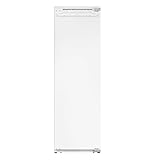
Overview: The Ca’Lefort Dual Zone panel-ready refrigerator offers 10.9 cubic feet of capacity with sophisticated humidity control for modern kitchen integration. This built-in model balances premium features with improved storage space, targeting homeowners seeking customized aesthetics and precise food preservation without the complexity of a three-zone system.
What Makes It Stand Out: The dual-zone system maintains refrigerator temperatures between 36°F-46°F while the bottom drawer features adjustable humidity control for specialized frozen storage. Like its sibling, the variable-speed compressor ensures efficient, quiet 38dB operation. The panel-ready design enables seamless cabinetry integration for a cohesive kitchen aesthetic.
Value for Money: At $2,600, this model sits between Summit and premium Ca’Lefort options. It offers more capacity than the 3-zone model but lacks that unit’s temperature versatility. The price premium over Summit reflects quieter operation and humidity control, though brand recognition doesn’t match established competitors. Good value for those prioritizing peace and integration.
Strengths and Weaknesses: Strengths:
- Adjustable humidity control drawer for optimal food preservation
- Quiet 38dB variable-speed compressor operation
- Larger 10.9 cu.ft. capacity than the 3-zone model
- True panel-ready built-in design for modern kitchens
- Convenient scheduled delivery service included
Weaknesses:
- Still expensive compared to Summit alternatives
- Dual zone less versatile than 3-zone model
- Panels not included (additional expense)
- Limited brand track record in North American market
Bottom Line: The Ca’Lefort Dual Zone is ideal for buyers wanting quiet operation and humidity control in a panel-ready package. It bridges the gap between basic integration and premium features, making it suitable for modern kitchens prioritizing peaceful operation and customized appearance over maximum storage capacity.
6. Ca’Lefort Panel Ready Refrigerator, Built-in All Freezer Panel-Ready Fridge, Perfect for Modern Kitchens, 8 Freezer Spaces, 9.75 cu.ft (Panel Not Included)

Overview: The Ca’Lefort Panel Ready All Freezer is a specialized built-in appliance designed for homeowners seeking seamless kitchen integration with dedicated freezer storage. This 9.75 cubic foot unit features eight distinct compartments and a temperature range of -11°F to 7°F, making it ideal for serious food preservation in modern, custom kitchens where aesthetics match functionality.
What Makes It Stand Out: Unlike combination units, this dedicated freezer offers a rare all-freezer configuration in a panel-ready format. The variable-speed compressor adjusts cooling demands for energy efficiency while maintaining whisper-quiet 38dB operation—perfect for open-concept living. The top pull-down door design provides organized access to eight separate compartments, while the specialized delivery service ensures safe transport and convenient threshold placement.
Value for Money: At $2,699.99, this freezer sits in the mid-range for built-in appliances. While the capacity is modest compared to standard freezers, the panel-ready design and specialized installation justify the premium for custom kitchen projects. For homeowners specifically needing integrated freezer storage rather than a combo unit, it offers targeted value that freestanding models cannot match.
Strengths and Weaknesses: Strengths include seamless cabinet integration, exceptionally quiet operation, energy-efficient variable-speed compressor, organized eight-compartment layout, and white-glove delivery service. Weaknesses are the panel not being included, limited 9.75 cu.ft capacity for the price, brief 12-month warranty period, and single-purpose design that requires a separate refrigerator unit.
Bottom Line: This Ca’Lefort freezer excels for niche applications where built-in aesthetics and dedicated freezing capacity are priorities. It’s best suited for luxury kitchen renovations or as a secondary freezer in custom bar areas, but impractical for those seeking a primary all-in-one refrigeration solution.
7. ZLINE 36 Inches 19.6 Cu. Foot Panel Ready French Door Built-In Bottom Freezer Refrigerator with Water Dispenser and Ice Maker (RBIV-36); Handles and Panels Not Included

Overview: The ZLINE RBIV-36 represents a premium French door built-in refrigerator designed for luxury kitchens demanding both capacity and customization. With 19.6 cubic feet of total storage, this panel-ready unit combines a 14 cu.ft refrigeration compartment with a 5.6 cu.ft bottom freezer, plus innovative features like a Flex Drawer and integrated water and ice dispensing.
What Makes It Stand Out: The specialty Flex Drawer offers four precise temperature settings between 30°F and 41°F, perfect for wine, charcuterie, or delicate produce. Soft-Shut Technology ensures drawers close smoothly and silently, while Digital ChillControl provides intuitive LED display management of vacation, Sabbath, and eco modes. The true flush installation capability creates an impeccable custom aesthetic.
Value for Money: At $8,022.66, this is a significant investment positioned in the luxury appliance tier. Comparable built-in French door models from Sub-Zero or Thermador often exceed $10,000, making the ZLINE relatively competitive. The combination of advanced features, premium construction, and panel-ready design delivers strong value for high-end renovations where seamless integration is non-negotiable.
Strengths and Weaknesses: Strengths include spacious 19.6 cu.ft capacity, versatile Flex Drawer, quiet soft-close mechanisms, comprehensive digital controls, and true built-in flush installation. Weaknesses are the eye-watering price point, panels and handles not included (adding $500+), potential service network limitations compared to legacy brands, and complex installation requirements.
Bottom Line: For luxury kitchen projects where budget allows, the ZLINE RBIV-36 offers compelling features and value compared to ultra-premium competitors. It’s ideal for design-conscious homeowners wanting professional-grade performance with custom aesthetics, though the total investment requires careful budget planning.
8. KoolMore 15 in. Built-In Panel Ready Undercounter Beverage Refrigerator, Compact Frost-Free Fridge with Digital Temperature Control, Tempered Glass Shelves, Security Lock, ETL Listed

Overview: The KoolMore undercounter beverage refrigerator delivers compact, panel-ready cooling for home bars, entertainment spaces, or office kitchens. This 2.55 cubic foot unit accommodates up to 56 cans across three adjustable tempered glass shelves, combining customizable aesthetics with practical beverage storage in a space-saving 15-inch width.
What Makes It Stand Out: The integrated security lock provides unique protection for valuable wine or beverage collections, while the frost-free operation eliminates maintenance hassles. Bright LED side lighting illuminates contents elegantly, and the articulated hinge allows flexible installation options. The ETL listing ensures commercial-grade safety standards in a residential package.
Value for Money: At $1,125, this KoolMore unit offers excellent value for undercounter applications. Comparable panel-ready beverage coolers often start at $1,500, making this an accessible entry point for custom kitchen projects. The inclusion of security features, digital controls, and adjustable shelving at this price point demonstrates strong cost-effectiveness for specific use cases.
Strengths and Weaknesses: Strengths include affordable panel-ready design, security lock feature, frost-free convenience, adjustable glass shelving, flexible leveling legs, and ETL safety certification. Weaknesses are limited 2.55 cu.ft capacity, restriction to beverage storage rather than general refrigeration, panel not included, and potentially shorter lifespan than premium brands.
Bottom Line: Perfect for home bars, man caves, or secondary beverage stations where custom integration matters but budget is constrained. The KoolMore excels as a specialized beverage cooler but shouldn’t be considered for primary food storage needs. It’s a smart choice for entertainment-focused homeowners seeking seamless aesthetics without premium pricing.
9. Z Line Kitchen Bath ZLINE Autograph Edition 30 in. 16.1 cu. ft. Panel Ready Built-in 2-Door Bottom Freezer Refrigerator with Internal Water Ice Dispenser with Polished Gold Handles (RBIVZ-30-G

Overview: The ZLINE Autograph Edition RBIVZ-30-G brings luxury detailing to built-in refrigeration with its included polished gold handles and 16.1 cubic feet of capacity. This 30-inch panel-ready unit features a two-door design with bottom freezer, internal water and ice dispensing, and the signature Flex Drawer for specialized storage temperatures between 30°F and 41°F.
What Makes It Stand Out: The standout feature is the included polished gold hardware that elevates the aesthetic immediately, eliminating the separate handle purchase required by most panel-ready units. The internal dispenser maintains the seamless exterior while providing filtered water and ice, and Soft-Shut Technology ensures premium feel during daily use. The Autograph Edition branding signifies ZLINE’s design-forward approach.
Value for Money: At $6,799.99, this model sits $1,200+ below its 36-inch sibling while retaining core premium features. The included gold handles (typically $300-500 separately) enhance value. For kitchens where 30-inch width fits better than 36-inch, it offers near-identical technology and luxury experience at a more accessible price point, though still firmly in the high-end category.
Strengths and Weaknesses: Strengths include stunning gold handles included, internal dispenser preserving clean lines, versatile Flex Drawer, quiet soft-close operation, and compact 30-inch footprint. Weaknesses are lower 16.1 cu.ft capacity, panels still not included, gold finish may not suit all kitchen styles, and premium pricing despite size reduction.
Bottom Line: Ideal for luxury kitchens needing a slightly smaller footprint or wanting a distinctive hardware statement. The Autograph Edition delivers ZLINE’s premium features with added design flair, making it perfect for style-conscious homeowners who view appliances as decor elements. Ensure your kitchen design complements the gold accents.
10. ZLINE 36 in. 19.6 cu. ft. Panel Ready French Door Built-In Bottom Freezer Refrigerator with Water Dispenser and Ice Maker with Stainless Steel Interior (SRBIV-36)

Overview: The ZLINE SRBIV-36 distinguishes itself from siblings with a durable stainless steel interior, pairing commercial-grade materials with residential luxury. This 36-inch French door built-in offers 19.6 cubic feet of storage, water and ice dispensing, and the versatile Flex Drawer, targeting homeowners wanting professional kitchen durability with custom exterior aesthetics.
What Makes It Stand Out: The stainless steel interior provides superior corrosion resistance and easier cleaning compared to plastic liners, while delivering a bold, professional aesthetic every time the doors open. The robust construction complements the soft-close mechanisms and digital controls, creating a true chef’s kitchen experience. Door bins offer convenient access to frequently used items.
Value for Money: At $7,759.99, this model commands a $700 premium over the standard RBIV-36. The stainless steel interior justifies this upcharge for buyers prioritizing durability and professional appearance. Compared to similarly equipped Sub-Zero models exceeding $12,000, it maintains competitive positioning in the luxury segment, though total cost with panels and installation approaches $9,000.
Strengths and Weaknesses: Strengths include commercial-grade stainless interior, spacious 19.6 cu.ft capacity, versatile Flex Drawer, integrated water and ice systems, and soft-close technology. Weaknesses are highest price in ZLINE’s 36-inch line, panels and handles not included, heavier weight from steel construction, and potential for fingerprints inside requiring more maintenance.
Bottom Line: Best suited for passionate home cooks and luxury kitchen designs where interior durability matches exterior beauty. The stainless steel interior elevates both function and aesthetics, making it worth the premium for those who use their kitchen intensively. For casual users, the standard model offers better value.
Understanding Panel-Ready Bottom-Freezer Built-Ins
Panel-ready bottom-freezer built-ins represent a specialized category of refrigeration designed for seamless kitchen integration. Unlike freestanding models that slide into a cutout, these units are engineered to be physically built into your cabinetry framework, becoming a permanent architectural feature. The “panel-ready” designation means the front accepts custom cabinetry panels that match your kitchen design exactly, while the “bottom-freezer” configuration places frozen foods in a more ergonomic, accessible drawer location below the refrigerated section.
These appliances typically feature professional-grade compressors, superior insulation, and precise temperature management systems that justify their premium positioning. The built-in nature requires careful planning during the kitchen design phase, as they cannot be easily swapped out like standard refrigerators. Understanding this commitment level is crucial before falling in love with the aesthetic possibilities.
The Custom Handle Advantage
The true beauty of specifying a panel-ready model that accepts custom handles lies in the design continuity it creates. Rather than settling for manufacturer-provided options that may clash with your carefully selected cabinet hardware, you can source handles from the same supplier, ensuring identical finish, style, and scale. This small detail creates a subconscious sense of cohesion that elevates the entire kitchen design.
From an ergonomic standpoint, custom handles allow you to specify the exact projection length that feels comfortable for your grip strength and hand size. For households with accessibility needs, you can select ADA-compliant lever-style handles or oversized pulls that require minimal dexterity. The mounting system’s weight capacity becomes a critical specification here, as heavier solid brass or iron hardware requires robust attachment points that not all models provide.
Key Dimensions and Sizing Considerations
Built-in bottom-freezer units come in standard widths of 24, 30, 36, 42, and 48 inches, with 36-inch models being the most common in residential applications. However, the critical dimension is actually the depth. True built-ins are typically 24 inches deep (not counting doors and handles) to align with standard cabinet depths, creating that flush, integrated appearance. Some models offer “full-height” options extending to 84 inches, eliminating the need for a separate cabinet panel above.
Don’t forget to account for the door swing radius and handle projection when measuring your space. A handle that extends 3-4 inches beyond the panel can interfere with adjacent cabinets or countertops if not properly planned. Always request the manufacturer’s “installation envelope” drawing, which shows the exact clearance needed for full door operation.
Installation Requirements and Clearances
Unlike freestanding refrigerators that need breathing room on all sides, built-in models use front-venting compressor systems that require zero side clearance. This is achieved through a “toe-kick” ventilation system that draws cool air from the bottom front and exhausts warm air at the top front. However, you’ll need a minimum 1/4-inch gap at the top for proper air circulation, and the toe-kick area must remain completely unobstructed.
Electrical requirements are typically 115V/60Hz with a dedicated 15-amp circuit, though some larger units may require 20 amps. The outlet should be recessed into the wall or placed in an adjacent cabinet to prevent the plug from pushing the unit forward. For models with ice makers and water dispensers, you’ll need a 1/4-inch water line with a shut-off valve located within 6 feet of the unit.
Panel Specifications and Material Options
The panels you choose must meet specific criteria to ensure proper function and longevity. Most manufacturers specify a maximum panel weight of 30-40 pounds per door, which limits your material choices to medium-density fiberboard (MDF), plywood, or lightweight hardwoods. Solid hardwood panels exceeding 3/4-inch thickness often become too heavy, causing door sag and hinge failure over time.
Panel dimensions require precision: they must be cut to exact specifications with mounting holes drilled at precise locations. Many cabinetmakers prefer to order “panel kits” that include pre-cut mounting rails and templates. For a truly seamless look, specify “inset” panels that sit flush within a door frame rather than “overlay” panels that sit on top of the door structure. The finish must be moisture-resistant, as refrigerators experience condensation cycles that can warp untreated wood.
Handle Mounting Systems Explained
Three primary mounting systems exist for custom handles on panel-ready units: through-bolt, surface-mount, and integrated rail systems. Through-bolt mounting provides the strongest connection, using bolts that pass completely through the door panel and secure with nuts on the interior. This system supports the heaviest handles but requires precise drilling and access to the door interior during installation.
Surface-mount systems use heavy-duty adhesive backing combined with screws that anchor into the door’s outer skin. While easier to install, they typically have lower weight capacities and may not be suitable for handles longer than 18 inches. Integrated rail systems feature a recessed channel in the door where mounting plates slide in, offering clean aesthetics and solid support, but limiting you to handles compatible with that specific rail design.
Professional vs. DIY Installation
Installing a panel-ready built-in is not a typical DIY project. The units weigh 300-600 pounds and require specialized equipment to maneuver without damaging floors or cabinetry. Professional installers use air-sleds or refrigerator dollies that distribute weight evenly and allow precise positioning. They also handle the critical task of “scribing”—custom-trimming the surrounding cabinetry to accommodate any wall irregularities.
That said, experienced homeowners with advanced woodworking skills can tackle panel and handle installation themselves. This approach requires a drill press for perfectly perpendicular mounting holes, a template system for consistent hole placement, and careful measurement of handle center-to-center dimensions. The risk of drilling through the door insulation or damaging the outer skin is high, and such damage typically voids the warranty. Most manufacturers recommend professional installation for both the appliance and the custom panels.
Integration with Cabinetry Design
Successful integration begins with early collaboration between your kitchen designer, cabinetmaker, and appliance supplier. Specify “flush inset” or “frameless” cabinet construction for the cleanest look, as traditional framed cabinets create a step between the refrigerator panels and adjacent doors. The toe-kick height must match exactly—most built-ins require a 4-inch toe-kick, which is taller than standard residential cabinetry.
Handle placement requires careful consideration of the “reveal”—the gap between the refrigerator door and surrounding cabinets. A typical 1/8-inch reveal means your handle should be positioned to clear the adjacent cabinet door when opening. Some designers specify “edge pulls” that mount on the door edge rather than the face, creating a minimalist look while solving clearance issues. The hinge side needs particular attention; full-overlay hinges may require handle placement further from the hinge to provide adequate leverage.
Cooling Technology and Performance Features
Behind the custom panels lies sophisticated cooling technology that distinguishes premium built-ins from standard refrigerators. Look for dual-compressor systems that completely separate refrigerator and freezer air circulation, preventing odor transfer and maintaining optimal humidity levels. Variable-speed compressors adjust cooling output incrementally rather than cycling on and off, reducing temperature fluctuations and noise.
Advanced models feature separate evaporators for each compartment, precise digital temperature control within 1°F, and rapid chill functions that quickly stabilize temperatures after door openings. The bottom-freezer configuration naturally places the most frequently accessed items at eye level while keeping frozen foods in a deep, drawer-style compartment with full-extension slides. Pay attention to the freezer’s “soft-close” mechanism quality—cheaper models may slam shut under the weight of loaded panels.
Storage Configuration and Flexibility
The interior layout should accommodate your specific storage needs despite the external customization. Look for adjustable split shelving that lets you create tall spaces for pitchers and wine bottles, and retractable half-shelves that make room for oversized items without removing an entire shelf. Door bins should be adjustable and capable of holding gallon containers.
Freezer drawers in bottom-freezer models typically feature tiered storage, with an upper sliding tray for frequently accessed items and a deeper lower bin for bulk storage. Some models include removable dividers and dedicated pizza storage slots. Ice maker placement varies—some integrate into the freezer drawer, while others occupy door space, affecting overall storage capacity. Consider your freezing habits: if you store large items like turkeys or bulk meat purchases, verify the freezer drawer can accommodate them with the panels attached.
Energy Efficiency and Sustainability
Panel-ready built-ins carry premium energy efficiency ratings, with most qualifying for ENERGY STAR certification. However, the annual operating cost can still range from $60 to $120 depending on size and features. Look for models using R600a (isobutane) or R290 (propane) refrigerants, which have ultra-low global warming potential compared to older HFC refrigerants.
The added weight of custom panels increases the energy load slightly, as the compressor works harder to move heavier doors. Superior insulation becomes critical—models with 3-4 inches of high-density foam insulation maintain temperatures more efficiently. Some advanced units feature “eco modes” that reduce compressor speed during low-usage periods and vacation settings that maintain minimal operation while you’re away.
Maintenance and Cleaning Best Practices
Custom panels require different care than appliance finishes. Wood panels need periodic conditioning with furniture-grade polish to prevent drying and cracking, especially in arid climates. Painted panels benefit from gentle cleaning with microfiber cloths and mild soap—avoid abrasive cleaners that can dull the finish. For high-gloss lacquered panels, use specialized acrylic cleaners that won’t create static attracting dust.
The handle mounting points require annual inspection to ensure screws remain tight and the door skin hasn’t deformed under stress. Clean the toe-kick ventilation grille monthly with a vacuum brush attachment to prevent dust buildup that restricts airflow. Interior maintenance follows standard refrigerator protocols: wipe spills immediately, deep clean quarterly, and replace water filters every six months or 300 gallons to maintain ice quality and flow rate.
Warranty and Service Considerations
Standard appliance warranties typically cover the refrigeration system for 5-12 years but may have specific exclusions for panel-related issues. Damage caused by improperly installed custom panels or handles exceeding weight limits often voids coverage. Some manufacturers offer “panel protection” warranties that cover the door structure if it fails due to approved panel weights.
Service access presents a unique challenge with fully integrated units. Ensure your installer leaves adequate clearance for technicians to remove the unit if major repairs are needed. Some models feature “service position” hinges that allow doors to swing wider for maintenance without removing panels. Before purchasing, verify that authorized service providers exist in your area—built-in refrigerators require specialized diagnostic equipment and training that not all appliance repair companies possess.
Budget Planning and Value Assessment
The total investment extends far beyond the appliance’s base price. A quality panel-ready bottom-freezer built-in typically ranges from $5,000 to $12,000, while custom panels and professional installation can add $2,000 to $5,000 more. High-end handles from luxury hardware suppliers may cost $100-$300 each, and you’ll need two (refrigerator and freezer).
Consider the total cost of ownership over a 15-year lifespan: energy costs ($1,200-$1,800), water filters ($600-$900), and potential service calls ($200-$500 per visit). However, the investment often yields strong returns in home value—real estate professionals report that luxury kitchens with integrated appliances can increase home value by 5-7% more than those with standard refrigerators. The key is ensuring the integration is executed flawlessly; poorly installed units with misaligned panels can detract from value.
Common Mistakes to Avoid
The most frequent error is measuring the rough opening incorrectly. Always measure at multiple points—walls are rarely perfectly plumb—and account for floor levelness. A floor that slopes even 1/4 inch can prevent proper door alignment. Another critical mistake is selecting panels that are too heavy, causing doors to sag and seals to fail prematurely.
Failing to coordinate electrical and plumbing locations during the rough-in phase forces compromises later. The water line must be positioned to avoid interfering with the unit’s slide-in installation, and the electrical outlet cannot protrude into the installation envelope. Perhaps the most costly error is ordering panels before finalizing the appliance model—different manufacturers use varying mounting hole patterns, and “universal” panels rarely achieve the seamless look you’re paying for.
Frequently Asked Questions
What exactly does “panel-ready” mean in practical terms?
Panel-ready means the refrigerator door arrives without a finished front, featuring a structural framework designed to accept custom cabinetry panels. The unit includes mounting hardware and specifications for panel dimensions, weight limits, and hole placement. This allows your cabinetmaker to create panels from the same material and finish as your kitchen cabinets, making the appliance visually disappear into the cabinetry.
Can I use any handle I find at a hardware store?
Not exactly. While you have tremendous flexibility, the handle must meet the manufacturer’s weight and length specifications. Most units support handles up to 24 inches long and 5 pounds each, but this varies. The mounting bolt pattern (typically 8-32 or 10-32 thread) must also match the handle’s attachment points. Always verify compatibility before purchasing expensive hardware.
How do built-in bottom-freezer models differ from integrated column systems?
Built-in bottom-freezer units are single appliances containing both refrigerator and freezer compartments, while column systems are separate refrigerator and freezer units that can be installed in different locations. Columns offer more layout flexibility but require more space and separate water connections. Built-ins are more cost-effective and simpler to install but less flexible in kitchen design.
Will custom panels void my refrigerator’s warranty?
Using approved panels installed according to manufacturer specifications will not void the core refrigeration warranty. However, damage caused by overweight panels, improper installation, or drilling through door insulation will not be covered. Some manufacturers offer extended warranties specifically covering panel-related door structure issues—worth considering for peace of mind.
How much ventilation space do these refrigerators really need?
True built-in models require only 1/4-inch clearance at the top and zero side clearance thanks to front-venting systems. However, the toe-kick area must be completely open and extend at least 4 inches deep. Never install a toe-kick drawer or enclose the ventilation path, as this will cause compressor overheating and premature failure.
Can I convert a standard built-in to panel-ready later?
No, this is not feasible. Panel-ready models have completely different door structures, hinge systems, and mounting frameworks than standard stainless models. Attempting to remove a stainless door skin and attach panels will destroy the door’s integrity and immediately void all warranties. The decision must be made at the time of appliance purchase.
What happens if my custom panels warp or crack?
Wood panels can warp due to humidity fluctuations or improper sealing. Most warping issues appear within the first year as the wood acclimates to the kitchen environment. Working with an experienced cabinetmaker who uses properly dried lumber and applies moisture-barrier finishes to all sides (including the back) prevents most problems. If warping occurs, the panel must be replaced—refrigerator warranties do not cover cabinetry issues.
Are panel-ready models less energy efficient due to the custom panels?
The panels themselves have minimal impact on energy efficiency—typically less than 2% increase in annual consumption. The door seals and insulation quality are far more important factors. However, improperly installed panels that prevent doors from closing completely will cause significant energy waste and condensation issues. Professional installation ensures optimal performance.
How do I clean behind a fully integrated refrigerator?
Most built-in models feature rollers that allow the unit to slide forward several inches for cleaning access. The water line and electrical cord should have enough slack to permit this movement. For deeper cleaning, you’ll need to remove the panels and handles to reduce weight, then use an appliance dolly to carefully pull the unit forward. Plan this as an annual task.
Is the investment in a panel-ready bottom-freezer built-in worth it for resale value?
In luxury markets ($800K+ homes), fully integrated kitchens are often expected, and the absence can be a drawback. In mid-range markets, the ROI is less certain. The value lies more in your enjoyment and the kitchen’s overall design cohesion than in direct financial return. If you plan to stay in your home for 5+ years, the daily aesthetic pleasure and ergonomic benefits typically outweigh the premium cost.