Let’s be honest—traditional stainless steel appliances are beautiful until they’re not. Within minutes of wiping them down, a parade of fingerprints, smudges, and mysterious streaks appears, turning your dream kitchen into a full-time cleaning chore. Now imagine combining that frustration with a refrigerator that doesn’t even include the freezer space you rarely use. Enter the freezerless refrigerator with smudge-proof stainless steel—a game-changing appliance category that’s rewriting the rules of kitchen design and maintenance.
These specialized all-refrigerator units are experiencing a remarkable surge in popularity among serious home chefs, design-conscious homeowners, and anyone who’s simply tired of playing defense against fingerprints. By dedicating 100% of their capacity to fresh food storage and employing advanced finish technologies that actually repel smudges, these appliances solve two modern kitchen headaches simultaneously. Whether you’re building a secondary storage solution in a butler’s pantry or designing your primary kitchen around a chef-inspired layout, understanding what makes these units tick will transform how you think about refrigeration.
Top 10 Stainless Steel Refrigerators Without Freezers
Detailed Product Reviews
1. Danby DAR044A4BSLDD 4.4 cu. ft. Compact Fridge in Stainless Steel

Overview: The Danby DAR044A4BSLDD is a premium 4.4 cubic foot compact refrigerator that prioritizes energy efficiency and modern aesthetics. This ENERGY STAR certified all-fridge unit eliminates the freezer compartment to maximize refrigeration space, making it ideal for offices, dorm rooms, or as a secondary beverage cooler. The spotless steel door finish delivers the sophisticated look of stainless steel without the constant maintenance of fingerprint smudging.
What Makes It Stand Out: The spotless steel finish is the star feature—offering genuine stainless steel aesthetics without the cleaning headaches. The use of environmentally friendly R600a refrigerant demonstrates Danby’s commitment to sustainability, while automatic defrost saves you from manual maintenance. At 4.4 cubic feet, it hits the sweet spot for compact spaces needing maximum cold storage without freezer bulk.
Value for Money: At $289.99, this sits at the higher end of compact refrigerators, but justifies its premium through ENERGY STAR efficiency that reduces electricity costs, the innovative smudge-resistant finish, and automatic defrost convenience. Comparable models with similar features typically run $50-100 more, making this a smart mid-range investment.
Strengths and Weaknesses: Pros include superior energy efficiency, fingerprint-resistant door, eco-friendly refrigerant, maintenance-free operation, and reputable brand reliability. Cons are the higher price point, lack of freezer compartment, and limited capacity relative to cost.
Bottom Line: Perfect for buyers prioritizing quality, aesthetics, and low operating costs over absolute budget. The Danby delivers premium features that justify its price tag.
2. Frigidaire, 4.5 cu ft Refrigerator, Stainless Steel Door, Platinum Series
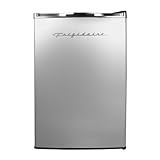
Overview: The Frigidaire 4.5 cubic foot compact refrigerator delivers impressive storage capacity and organization features at a budget-conscious price point. This Platinum Series model combines a space-saving flush back design with thoughtful interior layout, making it an excellent choice for dorm rooms, offices, or small apartments where versatility matters more than premium finishes. The modern aesthetic elevates any space without dominating it.
What Makes It Stand Out: The flush back design allows for zero-clearance installation against walls, maximizing floor space efficiency. Interior organization shines with glass shelves, a dedicated 2-liter bottle basket, built-in can dispenser, and a chiller compartment complete with ice cube tray—features rarely seen together in this price class. This combination of utility and style sets it apart.
Value for Money: At just $188, this represents exceptional value from a trusted major appliance brand. You’re getting organizational features typically found in $250+ models, plus the reliability of Frigidaire’s warranty and service network. The modest price premium over basic models buys significant functionality upgrades that enhance daily use.
Strengths and Weaknesses: Pros include outstanding affordability, superior interior organization, space-saving design, chiller compartment, and brand reputation. Cons include lack of ENERGY STAR certification, manual defrost requirement, and basic aesthetic without stainless steel options.
Bottom Line: The best budget option for those needing maximum storage flexibility without breaking the bank. It sacrifices some efficiency for features and price.
3. Upstreman 11.6 Cu.Ft. Double Door Refrigerator in Stainless Steel with Large Capacity Top Freezer, Frost Free, Adjustable Thermostat Control, Apartment Refrigerator with Freezer, ENERGY STAR

Overview: The Upstreman 11.6 cubic foot double-door refrigerator is a full-size apartment solution masquerading as a compact appliance. With a generous 3.2 cubic foot freezer and 8.4 cubic foot refrigerator, this ENERGY STAR certified unit delivers frost-free convenience and electronic temperature control in a stainless steel package designed for modern living spaces where every inch counts.
What Makes It Stand Out: Frost-free operation with air-cooled auto defrost eliminates manual maintenance entirely—a rare find under $700. Electronic temperature control offers precise settings from 7.16°F to -7.24°F (freezer) and 32.5°F to 46.4°F (refridge), giving you professional-grade control. The ultra-low operating cost of $0.15 per day makes it incredibly economical.
Value for Money: At $680.99, this undercuts major brands by $100-200 while matching their feature sets. The combination of frost-free operation, electronic controls, and ENERGY STAR efficiency creates long-term savings that offset the initial investment. For apartment dwellers, this delivers full-size performance without the full-size price tag.
Strengths and Weaknesses: Pros include large capacity, frost-free convenience, precise electronic controls, exceptional energy efficiency, and modern stainless steel design. Cons include lesser-known brand reputation, specific dimensions may not fit all spaces, and higher upfront cost than basic models.
Bottom Line: An outstanding value for renters and homeowners needing genuine refrigerator capacity with premium features. The Upstreman competes with established brands at a compelling price.
4. Upstreman 3.2 Cu.Ft Mini Fridge with Freezer, Single Door Mini Fridge, Dorm Fridge, Adjustable Thermostat, Mini Refrigerator for Dorm, Office, Bedroom, Stainless Steel-SR321

Overview: The Upstreman 3.2 cubic foot mini fridge with freezer redefines what a compact refrigerator can achieve under $170. This single-door model maximizes interior space while maintaining an ultra-compact footprint of 18.7" x 17.4" x 33.1". Designed for bedrooms, offices, and dorm rooms, it operates at a whisper-quiet 38 dB while consuming just 0.5 kWh daily.
What Makes It Stand Out: The single-door design eliminates the space-wasting partition found in double-door mini fridges, providing more usable capacity. A built-in crisper drawer—virtually unheard of in this category—keeps produce fresh. The freezer compartment, while not suitable for ice cream, handles frozen meals and ice cubes admirably. The 38 dB operation is quieter than a library.
Value for Money: At $169.99, this delivers premium features typically reserved for $200+ models. The energy cost of approximately $0.06 per day means it pays for itself versus cheaper, inefficient competitors within two years. You’re getting freezer capability, produce storage, and silence in one package.
Strengths and Weaknesses: Pros include whisper-quiet operation, exceptional energy efficiency, space-maximizing single door, crisper drawer, and included accessories. Cons include freezer not cold enough for ice cream, opening both compartments simultaneously, and limited brand recognition.
Bottom Line: The perfect choice for noise-sensitive environments like bedrooms or study spaces. If silence and efficiency matter more than brand name, this is your winner.
5. Frigidaire EFR323 3.2 cu ft Compact Fridge, Mini Refrigerator, Stainless Steel, Platinum Series

Overview: The Frigidaire EFR323 3.2 cubic foot compact fridge strips away complexity to deliver essential refrigeration at an unbeatable price point. This Platinum Series model focuses on the fundamentals—reliable cooling, modest storage, and modern styling—making it ideal for budget-conscious shoppers needing a basic beverage and snack cooler for dorm rooms, offices, or entertainment spaces where demands are minimal.
What Makes It Stand Out: At $129, it’s the most affordable option from a major appliance brand without feeling cheap. The chiller compartment with ice cube tray adds unexpected versatility, while the recessed handle and flush back design maintain a clean, modern profile that doesn’t scream “budget appliance.” The 2-liter door basket and glass shelves provide decent organization for its size.
Value for Money: This sets the budget benchmark at $129, undercutting even store brands while offering Frigidaire’s warranty and service support. For occasional use or as a secondary fridge, it’s hard to justify spending more. The minimal investment delivers adequate performance for drinks, snacks, and light food storage without frills.
Strengths and Weaknesses: Pros include exceptional affordability, trusted brand name, chiller compartment, space-saving design, and simple operation. Cons include no ENERGY STAR rating, potentially higher noise levels, manual defrost, and no produce crisper.
Bottom Line: Buy this if you need basic refrigeration at the absolute lowest price from a reliable brand. It’s not fancy, but it gets the job done for minimal investment.
6. Electactic 3.1 Cu.Ft Mini Fridge with Freezer, 2 Door Compact Refrigerator, Mini Fridge with Adjustable Removable Glass Shelves for Bedroom, Office, Dorm or Apartment, Stainless Steel

Overview: The Electactic 3.1 Cu.Ft Mini Fridge delivers full refrigeration capabilities in a space-saving footprint perfect for tight quarters. This two-door unit separates fresh and frozen storage, making it ideal for dorm rooms, bedrooms, offices, or apartments where space is premium but performance can’t be compromised. The stainless steel exterior provides a modern aesthetic that elevates it beyond typical plastic dorm appliances.
What Makes It Stand Out: This compact powerhouse features precise temperature control with a thermostatic knob maintaining 32-50°F in the fridge and -1-3°F in the freezer—uncommon accuracy for mini fridges. The whisper-quiet operation under 35dB ensures it won’t disrupt sleep or work, while the adjustable glass shelves offer flexibility that plastic competitors lack. Its R600 high-efficiency compressor cools rapidly without spiking energy bills.
Value for Money: At $224.24, this mini fridge sits in the mid-range price bracket but delivers premium features like dual-zone cooling and near-silent operation. While basic mini fridges start around $150, the separate freezer compartment and precise temperature control justify the premium, offering functionality typically found in larger units. The energy-efficient design keeps operating costs minimal long-term.
Strengths and Weaknesses: Strengths:
- Separate freezer and fridge compartments for true dual-zone cooling
- Precise temperature control for both zones
- Ultra-quiet operation (<35dB) suitable for bedrooms
- Adjustable glass shelves for flexible organization
- Sleek stainless steel design
Weaknesses:
- No automatic defrost function requires manual maintenance
- 3.1 cu ft capacity limits storage for more than one person
- Small freezer compartment can’t hold bulk frozen items
Bottom Line: The Electactic Mini Fridge excels for users needing compact, quiet, and capable refrigeration. Despite the manual defrost requirement, its dual-zone performance and stylish design make it a top choice for small-space living.
7. HAMILTON BEACH 11.5 Cubic Foot Fridge with Bottom Mount Freezer, 11.5 cu. ft, Stainless
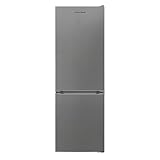
Overview: The Hamilton Beach 11.5 Cubic Foot Fridge reimagines mid-size refrigeration with its innovative bottom-mount freezer design. This stainless steel unit delivers substantial storage capacity while maintaining a sleek, space-conscious footprint suitable for apartments, offices, or kitchens where efficiency matters. The unique configuration places frequently accessed items at eye level for ergonomic convenience.
What Makes It Stand Out: The bottom freezer configuration provides ergonomic access to fresh foods while the three-section freezer organization system keeps frozen goods neatly sorted. Three removable glass shelves and a crystal crisper with tempered-glass cover demonstrate thoughtful design. The dedicated can rack in the door maximizes storage efficiency, holding multiple 355ml beverages without sacrificing shelf space.
Value for Money: Priced at $699.99, this refrigerator competes directly with premium mid-size models. The unique bottom-freezer layout and generous 11.5 cu ft capacity offer excellent value compared to top-freezer alternatives, delivering full-size features like glass shelving and specialized compartments in a compact package. The design innovation alone justifies the investment.
Strengths and Weaknesses: Strengths:
- Ergonomic bottom-mount freezer design
- Three removable glass shelves for easy cleaning
- Organized freezer with three distinct sections
- Convenient can rack in door
- Crystal crisper with tempered-glass cover
Weaknesses:
- Bottom freezer less convenient for frequent frozen item access
- Limited color options available
- No ice maker or water dispenser included
Bottom Line: For those prioritizing fresh food accessibility and organized storage, the Hamilton Beach 11.5 cu ft fridge offers innovative design and solid performance. It’s an excellent mid-range investment for space-conscious households.
8. Kenmore 33 in. 20.5 cu. ft. Capacity Refrigerator/Freezer with Full-Width Adjustable Glass Shelving, Humidity Control Crispers, ENERGY STAR Certified, Fingerprint Resistant Stainless Steel
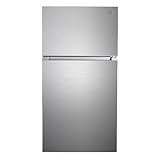
Overview: The Kenmore 33-inch refrigerator brings full-size luxury to the mid-range market with its impressive 20.5 cu ft capacity and fingerprint-resistant stainless steel finish. This ENERGY STAR certified unit offers comprehensive storage solutions for families needing ample space without the premium price tag of high-end brands. LED lighting illuminates the entire interior efficiently.
What Makes It Stand Out: Full-width adjustable tempered glass shelves accommodate everything from party trays to sheet cakes with ease. The humidity-controlled crispers and dedicated dairy drawer demonstrate serious food preservation credentials, while gallon door bins maximize vertical storage. Optional icemaker compatibility adds future flexibility without forcing immediate expense.
Value for Money: At $1,099.99, this Kenmore delivers exceptional value for a full-size, feature-rich refrigerator. ENERGY STAR certification ensures long-term utility savings, while fingerprint-resistant stainless steel reduces maintenance. Comparable models from premium brands often cost 30-50% more without offering significantly better performance. The adjustable shelving system alone provides versatility worth hundreds.
Strengths and Weaknesses: Strengths:
- Large 20.5 cu ft capacity for family needs
- ENERGY STAR certified for efficiency
- Fingerprint-resistant stainless steel exterior
- Adjustable full-width glass shelves
- Humidity-controlled crispers prolong freshness
Weaknesses:
- Optional icemaker costs extra to install
- No built-in water dispenser
- May be too large for smaller kitchen spaces
Bottom Line: The Kenmore 20.5 cu ft refrigerator hits the sweet spot between capacity, features, and affordability. It’s an outstanding choice for families wanting premium functionality without breaking the budget.
9. Frigidaire, 2 Door Apartment Size Refrigerator/Freezer Combo, 7.5 cu ft, Platinum Series, Stainless, 23" D x 21.5" W x 55.5" H

Overview: The Frigidaire 7.5 cu ft Platinum Series refrigerator combines retro aesthetics with modern functionality in a compact apartment-sized package. This two-door unit features chrome accents and a sleek stainless finish that elevates any space while delivering practical storage solutions for smaller households. The reversible door adapts to any layout.
What Makes It Stand Out: The vintage-inspired design with chrome trim and handles distinguishes it from utilitarian competitors. A reversible door offers installation flexibility, while adjustable/removable shelves accommodate items of various sizes. The transparent crisper and full-width door bin provide visibility and organization rarely seen in this size class, blending style with substance for discerning renters.
Value for Money: At $334.99, this Frigidaire occupies the budget-friendly end of the mid-size market. The distinctive platinum styling adds perceived value, while flexible configuration options maximize utility. It’s priced competitively against plain stainless models, essentially offering design upgrades at no extra cost. The compact dimensions make it ideal for apartments without sacrificing essential features.
Strengths and Weaknesses: Strengths:
- Stylish retro platinum design with chrome accents
- Reversible door for flexible installation
- Adjustable and removable shelves
- Transparent crisper drawer for visibility
- Dedicated freezer compartment with interior lighting
Weaknesses:
- 7.5 cu ft capacity may be limiting for families
- No advanced features like humidity control
- Basic temperature control lacks precision
- No energy efficiency certification mentioned
Bottom Line: The Frigidaire Platinum Series excels for style-conscious buyers needing reliable refrigeration in compact spaces. Its retro charm and practical features make it a standout value in the apartment-size category.
10. BANGSON 7.7 Cu.Ft Refrigerator with Freezer, Apartment Size Fridge with Top Freezer, for Apartment, Office, Kitchen and Garage, Stainless Steel, Silver

Overview: The BANGSON 7.7 Cu.Ft Refrigerator balances capacity and efficiency in an apartment-friendly footprint. With its top freezer configuration and comprehensive accessory package, this unit addresses practical needs for renters, office managers, or anyone seeking reliable cooling without complexity. The automatic night light adds unexpected convenience.
What Makes It Stand Out: Five distinct temperature settings provide exceptional control, with the freezer ranging from -12°F to 12°F and refrigerator from 33°F to 50°F. The automatic night light illuminates contents after dark, while included accessories—ice tray, defrost tool, and egg shelf—demonstrate thoughtful completeness. Reversible doors and bottom leveling legs ensure adaptability to any space or surface.
Value for Money: At $429.99, this refrigerator offers mid-range pricing with premium features like multi-stage temperature control and automatic lighting. The comprehensive accessory package adds $30-50 in value, making it competitively priced against bare-bones alternatives that lack such convenience features. The 7.7 cu ft capacity hits the sweet spot for singles and couples.
Strengths and Weaknesses: Strengths:
- Five temperature settings for precise cooling control
- Automatic night light for dark-room visibility
- Includes ice tray, defrost tool, and egg shelf
- Reversible doors for installation flexibility
- Energy-efficient quiet operation at 39dB
Weaknesses:
- Top freezer less ergonomic than bottom-mount designs
- 39dB slightly louder than premium quiet models
- Requires 6-12 hour settling period after transport
- No humidity-controlled crispers
Bottom Line: The BANGSON 7.7 cu ft refrigerator delivers impressive versatility and convenience features at a reasonable price. It’s an excellent choice for practical buyers wanting customizable cooling without premium cost.
The Rise of the Freezerless Refrigerator
Why Homeowners Are Ditching the Freezer Compartment
The shift toward freezerless refrigeration isn’t just a trend—it’s a fundamental rethinking of how we actually use our kitchens. Most American households maintain separate freezer chests in garages or basements, making the freezer compartment in their primary refrigerator redundant. By eliminating that icebox, manufacturers can increase fresh food capacity by 30-40% in the same footprint, giving you room for party platters, bulk produce, and meal prep containers that would never fit in a standard combo unit.
This design philosophy particularly resonates with urban dwellers who shop more frequently for fresh ingredients and entertain regularly. The freezerless configuration also appeals to those following specialized diets requiring extensive fresh produce storage or homeowners creating purposeful kitchen zones with dedicated appliances.
The Smudge-Proof Revolution in Kitchen Appliances
The fingerprint-resistant revolution arrived just in time. Early stainless steel finishes were notoriously high-maintenance, showing every touch and requiring special cleaners. Today’s smudge-proof technologies represent years of metallurgical innovation. These finishes don’t just hide fingerprints—they actively resist the oils and moisture that create them in the first place. The result is a surface that maintains its pristine appearance with minimal intervention, freeing you from the tyranny of constant wiping and polishing.
Understanding Smudge-Proof Stainless Steel Technology
The Science Behind Fingerprint Resistance
Smudge-proof stainless steel isn’t magic—it’s materials engineering at its finest. Traditional stainless contains chromium that creates a passive oxide layer, but this surface is microscopically porous enough to trap skin oils. Modern smudge-resistant finishes employ one of three approaches: physical vapor deposition (PVD) coatings that create a non-porous barrier, nano-ceramic treatments that fill microscopic gaps, or proprietary etching processes that diffuse light and reduce visible contrast from oils.
These technologies work by altering the surface energy of the steel, making it hydrophobic and oleophobic—essentially causing water and oils to bead up rather than spread and adhere. The finish remains actual stainless steel (not a faux look), preserving the authentic aesthetic while adding functional protection that can last the appliance’s lifetime when properly maintained.
Different Finishes: Matte vs. Brushed vs. PVD Coatings
Not all smudge-proof finishes are created equal. Matte stainless steel uses a directional grain pattern that diffuses reflections and camouflages marks, though it may require specific cleaning directionality. Brushed finishes offer a more traditional look with slightly better scratch concealment but can vary in their fingerprint resistance. PVD-coated surfaces represent the premium tier, depositing a titanium-based ceramic layer that’s incredibly durable and virtually impervious to fingerprints.
When evaluating options, consider that darker stainless finishes (like black stainless) often show fewer smudges inherently but may limit your future design flexibility. True smudge-proof traditional stainless offers the best long-term versatility, especially if you might relocate the appliance or change your kitchen palette.
Key Benefits of a Freezerless Design
Maximizing Fresh Food Storage Capacity
The most immediate advantage is pure cubic footage. A 36-inch freezerless refrigerator typically offers 20-25 cubic feet of refrigerated space, compared to just 14-16 cubic feet in a comparable combo unit. This translates to wider shelves, deeper door bins, and the ability to store sheet cakes, large roasting pans, or multiple pizza boxes simultaneously. For serious cooks, this means keeping mise en place for elaborate meals or storing bulk ingredients from warehouse clubs without playing Tetris.
The layout also improves organization. Without a freezer compartment compressing the refrigeration system into awkward positions, designers can create more logical shelf spacing and wider crisper drawers that don’t feel like afterthoughts. Many models feature full-width pantry drawers and adjustable shelving that transforms based on your weekly grocery haul.
Energy Efficiency Advantages
Counterintuitively, eliminating the freezer can reduce overall energy consumption. Freezers require more intensive cooling cycles to maintain sub-zero temperatures, and the constant temperature differential between frozen and fresh compartments creates thermal inefficiencies. A dedicated refrigerator operates within a narrower temperature band, allowing for optimized compressor cycling and improved insulation strategies.
Look for models with linear compressors that adjust cooling output incrementally rather than cycling on/off abruptly. These systems maintain more consistent temperatures while consuming 20-30% less electricity than traditional reciprocating compressors. The energy savings become more pronounced in garage installations where ambient temperatures fluctuate dramatically.
Ideal Use Cases and Kitchen Layouts
Freezerless refrigerators shine in specific scenarios. They’re perfect for secondary kitchens, basement entertaining areas, or outdoor kitchen setups where supplemental fresh storage is needed. In primary kitchens, they work best when paired with a separate freezer—either a matching freezer column or a chest freezer in a utility area.
The design flexibility is remarkable. Install one at counter depth for a built-in look without the built-in price, or flank a range with two units for a true chef’s kitchen aesthetic. Some homeowners integrate them into walk-in pantry designs, creating a hidden refrigeration wall that maintains the kitchen’s visual cleanliness.
Critical Features to Evaluate Before Buying
Capacity Considerations for Your Household
Sizing a freezerless refrigerator requires different thinking than traditional units. Since you’re maximizing fresh storage, it’s easy to overestimate needs. A good rule: calculate 4-6 cubic feet per person for fresh food storage, then add 20% if you entertain frequently or shop in bulk. Remember that these units appear larger inside—visualize your actual grocery load rather than just the number.
Consider door swing and interior access too. A 30-inch model might fit your space better than a 36-inch, but the narrower opening could limit platter storage. French door configurations offer the best accessibility, while single-door units provide the cleanest aesthetic for integrated installations.
Interior Configuration and Flexibility
The beauty of freezerless design is the interior freedom it affords. Prioritize models with split shelving that lets you create tall spaces for wine bottles or party trays. Look for gallon-door bins that free up shelf space, and consider the number and size of crisper drawers—some premium models offer humidity-controlled zones that can convert from produce to meat storage.
LED lighting quality varies dramatically. Edge-to-edge vertical lighting eliminates shadows and makes every item visible, while cheap single-bulb designs leave dark corners where leftovers languish. Some units now feature glass shelving with spill containment lips that actually work, preventing drips from cascading to lower levels.
Climate Control and Temperature Management
Precise temperature control separates premium from pedestrian models. Look for dual-evaporator systems that maintain separate humidity levels between compartments—crucial for keeping produce crisp without drying out deli meats. Digital controls should offer specific degree settings, not just arbitrary numbers, and maintain temperatures within 1-2 degrees of target.
Advanced models feature separate cooling zones—essentially refrigerators within refrigerators. A convertible drawer might switch from 33°F for fresh fish to 41°F for beverages, while a pantry drawer maintains steady temperatures for delicate items like chocolate or cheese. These zones often have independent evaporators, preventing flavor transfer and maintaining optimal conditions.
Noise Levels and Compressor Technology
Freezerless refrigerators can be surprisingly quiet—or maddeningly loud. The compressor location matters: units with top-mounted compressors often run quieter since sound radiates upward and gets absorbed by cabinetry. Linear inverter compressors produce a consistent low hum versus the cycling on/off that disturbs open-concept living.
Check the decibel rating—anything under 40 dB is whisper-quiet, while 45+ dB becomes noticeable in quiet moments. Some manufacturers now include vibration dampening mounts and sound-absorbing insulation that make these units suitable for studio apartments or kitchens adjacent to bedrooms.
Installation Requirements and Space Planning
Proper Ventilation and Clearance Guidelines
Freezerless refrigerators need breathing room, even more so than traditional units because they lack the freezer’s cold mass to buffer temperature fluctuations. Maintain minimum 1-inch clearance on sides, 2 inches at top, and 2-3 inches behind the unit. For built-in installations, choose models specifically rated for zero-clearance or minimal-clearance operation—these have front-venting systems that exhaust through the toe kick or top grille.
Never enclose a standard freestanding unit in a tight cabinet cavity. The compressor will overwork, energy consumption will spike, and lifespan will plummet. If you’re going built-in, invest in the proper model rather than forcing a freestanding unit into a confined space.
Electrical and Plumbing Considerations
Most freezerless refrigerators require a standard 115V outlet on a dedicated 15-amp circuit. However, premium models with advanced features may need 20-amp service. The outlet should be easily accessible—never hardwire these appliances, as you need to disconnect power for service.
Water lines are optional but recommended if you want interior water dispensers or automatic ice makers (yes, some freezerless models include ice makers). Use 1/4-inch copper or PEX tubing with a shutoff valve, and install a water filter either in-line or at the source. Consider a leak detector behind the unit—water damage from refrigerator lines is a top homeowner insurance claim.
Maintenance and Cleaning Best Practices
Preserving That Smudge-Free Finish
The irony of smudge-proof finishes is they still require proper care to maintain their properties. Avoid abrasive cleaners, scouring pads, or ammonia-based products that can degrade the protective coating. Instead, use a microfiber cloth dampened with warm water or a pH-neutral stainless steel cleaner. Always wipe with the grain direction on brushed finishes to prevent cross-hatch scratching.
For stubborn spots, create a paste with baking soda and water, apply gently, and rinse thoroughly. Never use steel wool or metal brushes. Some manufacturers recommend periodic application of a stainless steel polish specifically formulated for fingerprint-resistant surfaces—this replenishes the hydrophobic properties and maintains that factory-fresh look.
Preventing Odors and Maintaining Freshness
Without a freezer to mask smells, odor control becomes paramount. Replace the air filter every 6 months—many models use activated carbon filters that neutralize ethylene gas and prevent produce spoilage. Keep an open box of baking soda on a back shelf and replace it quarterly.
Clean interior surfaces monthly with a solution of mild dish soap and water, paying special attention to door seals where mold can develop. Remove and wash bins and shelves in warm soapy water, ensuring they’re completely dry before reinstalling. Check the drain hole at the back of the unit periodically—clogs here lead to water pooling and eventual odor issues.
Design Integration and Aesthetic Choices
Panel-Ready vs. Standard Stainless Options
Panel-ready freezerless refrigerators accept custom cabinet fronts, disappearing completely into your kitchen design. This option costs 20-30% more but delivers a true built-in look without the built-in appliance price tag. Ensure your cabinet maker understands the panel dimensions and ventilation requirements—improper panel installation voids warranties and causes performance issues.
Standard stainless models now come in various handle styles and trim options. Some feature tubular handles that match professional ranges, while others offer integrated handles that create a sleek, minimalist profile. Consider how the handle design impacts cleaning—protruding handles collect grime in crevices, while integrated designs wipe clean in one motion.
Handle Styles and Hardware Finishes
Handle choice affects both aesthetics and ergonomics. Commercial-style pro handles provide excellent grip for full hands but extend 4-5 inches from the face, requiring more clearance. Contemporary integrated handles offer a streamlined look but can be slippery when wet. Some manufacturers offer interchangeable handle kits, letting you update the look without replacing the entire appliance.
Hardware finish matters too. Brushed nickel handles on a stainless fridge can look mismatched. Many smudge-proof models now come with matching fingerprint-resistant handles, or you can opt for contrasting black or bronze finishes that deliberately stand out as design elements.
Energy Ratings and Long-Term Cost Analysis
Understanding ENERGY STAR Certifications
Freezerless refrigerators can achieve impressive efficiency ratings, but not all ENERGY STAR labels are equal. Check the yellow EnergyGuide label for estimated annual operating cost and kWh consumption. Premium models might cost $50-70/year to run, while less efficient units can exceed $100/year. The most efficient units use R600a refrigerant (isobutane) which has negligible environmental impact and provides superior thermodynamic performance.
Look beyond the sticker—some manufacturers game the system by testing in ideal conditions. Read independent reviews that measure actual consumption in real-world settings, especially if you plan garage installation where temperatures swing wildly.
Calculating Lifetime Operating Costs
A $200 price difference between models can evaporate quickly through energy costs. Multiply the annual kWh consumption by your local electricity rate (average $0.14/kWh nationally), then project over 15 years—the typical refrigerator lifespan. A model using 400 kWh/year costs $56 annually, while one using 600 kWh/year costs $84—a $420 difference over the appliance’s life.
Factor in filter replacement costs too. Water filters run $30-50 every six months, while air filters cost $15-25. Some premium models include filter subscription services that automatically ship replacements, ensuring you never forget.
Budget Planning and Price Expectations
Entry-Level vs. Premium Features
The freezerless category spans from $800 basic models to $3,500+ luxury units. Entry-level options provide the core benefit—maximum fresh storage with smudge-proof finish—but may lack precise temperature control, quiet operation, or flexible interiors. They typically use single evaporators and basic LED lighting.
Mid-range models ($1,500-$2,500) hit the sweet spot for most buyers, offering dual evaporators, better compressors, and thoughtful interior design. Premium units ($2,500+) add convertible zones, Wi-Fi connectivity, glass touch controls, and commercial-grade components. The law of diminishing returns applies—spend beyond $2,500 only if you specifically need built-in installation or professional features.
Warranty and Service Considerations
Standard warranties run 1 year parts/labor with 5-10 years on the compressor. However, read the fine print—some smudge-proof finish warranties specifically exclude damage from improper cleaning. Extended warranties can be worthwhile for first-generation models or if you lack local service providers.
Research the manufacturer’s service network before buying. A great refrigerator becomes a nightmare if the nearest authorized technician is 100 miles away. Check online forums for real-world service experiences—some brands are notorious for denying warranty claims on cosmetic issues.
Common Buying Mistakes to Avoid
Overlooking Total Kitchen Workflow
The biggest error is treating a freezerless refrigerator as a simple swap for a combo unit. Without a freezer, your kitchen workflow changes—you need to plan trips to the separate freezer, coordinate grocery unloading, and adjust cooking habits. Place your freezer within 15-20 feet of the refrigerator, ideally along the same work triangle path.
Consider how often you access frozen items. If you’re constantly running to the garage for ice cream, the separation will frustrate you. Better to invest in a refrigerator with a small freezer drawer and a separate freezerless unit for overflow, rather than going completely freezer-free in your primary kitchen.
Ignoring Door Swing and Accessibility
Measure, then measure again. French door models require clearance for both doors plus the interior drawers. Single-door units need space for the full swing arc plus room to stand in front while loading. In galley kitchens, a door that opens toward the sink can block traffic flow.
Check if the model offers reversible doors—many do, but the process can be complex and may require purchasing a kit. Some premium units feature dual-hinge designs that allow on-the-fly switching without tools, a brilliant feature for renters or those who rearrange frequently.
Frequently Asked Questions
What exactly is a freezerless refrigerator?
A freezerless refrigerator is an all-refrigerator appliance that dedicates 100% of its capacity to fresh food storage, eliminating the freezer compartment entirely. These units maximize refrigeration space and are designed to be paired with a separate freezer appliance, either as a matching column unit or a chest freezer in another location.
How does smudge-proof stainless steel actually work?
Smudge-proof finishes use one of three technologies: PVD coatings that create a non-porous barrier, nano-ceramic treatments that fill microscopic surface gaps, or specialized etching that diffuses light. These methods make the surface hydrophobic and oleophobic, causing oils and moisture from fingers to bead up rather than spread and adhere, making fingerprints nearly invisible and easy to wipe away.
Will a freezerless fridge save me money on energy bills?
Generally yes. Freezerless models consume 15-25% less energy than comparable combo units because they operate within a narrower temperature range and lack the thermal inefficiencies of maintaining two distinct climate zones. However, actual savings depend on the model’s efficiency rating, your usage patterns, and whether you’re cooling a separate freezer elsewhere.
Can I install a freezerless refrigerator in my garage?
Yes, but with important caveats. Many models are rated for ambient temperatures between 55-110°F. In unheated garages that drop below freezing, the unit may stop cooling properly or consume excessive energy. Look for “garage-ready” models with upgraded insulation and compressors designed for temperature extremes, and verify the warranty covers non-climate-controlled installations.
How do I clean smudge-proof stainless steel without damaging it?
Use a microfiber cloth with warm water or a pH-neutral stainless steel cleaner, wiping in the direction of the grain on brushed finishes. Avoid abrasive pads, ammonia, bleach, or scouring powders. For stubborn spots, make a paste with baking soda and water, apply gently, and rinse thoroughly. Some manufacturers recommend periodic application of a specialized stainless polish to maintain the hydrophobic properties.
What’s the difference between freezerless and all-refrigerator models?
The terms are often used interchangeably, but technically “freezerless” emphasizes the absence of a freezer, while “all-refrigerator” describes the appliance’s function. Some manufacturers use “all-refrigerator” for units that might include a tiny freezer compartment, so always check specifications carefully if you want absolutely no freezer space.
Do I need a water line for a freezerless refrigerator?
Only if the model includes an interior water dispenser or automatic ice maker. Many freezerless units are purely refrigeration-only with no water features. If you do connect a water line, install a shutoff valve and consider an in-line water filter. Some models with ice makers have internal reservoirs you fill manually, eliminating the plumbing requirement.
Are these refrigerators noisy?
Quality varies dramatically. Premium models with linear inverter compressors run at 35-40 decibels (quieter than a library), while budget units may exceed 45 decibels with noticeable cycling. Check the specifications and read independent reviews that measure actual noise levels. Top-mounted compressors and sound-dampening insulation contribute to quieter operation.
Can I reverse the door swing on a freezerless refrigerator?
Most freestanding models offer reversible doors, but the process complexity varies. Some require purchasing a kit and partially disassembling the door, while premium units feature tool-free reversible hinges. Always verify reversibility before buying, especially with French door models where the mechanism is more complex. Built-in units typically have fixed door swings that must be specified at purchase.
Is smudge-proof stainless steel worth the extra cost?
For most buyers, absolutely. The premium typically runs $100-300 over standard stainless, but the time saved on cleaning and the maintained aesthetic value quickly justify the investment. Consider your household composition—homes with children or frequent guests see the most dramatic benefit. The finish also preserves resale value, as buyers increasingly expect low-maintenance appliances in updated kitchens.