Never reaching into the freezer only to find an empty ice tray again—that’s the promise of dual ice maker technology. For households where iced coffee is a morning ritual, smoothies are an afternoon staple, and entertaining happens weekly, running out of ice isn’t just inconvenient; it’s a deal-breaker. Side-by-side refrigerators with dual ice makers have emerged as the ultimate solution for ice-obsessed families, combining streamlined vertical storage with redundant ice production that ensures you’re always stocked.
But not all dual ice maker systems are created equal. Before you invest in one of these premium appliances, understanding the nuanced differences in configuration, capacity, and long-term maintenance will save you from buyer’s remorse. Let’s explore everything you need to know about these ice-producing powerhouses and how to choose the perfect model for your specific needs.
Top 10 Dual Ice Maker Fridges
Detailed Product Reviews
1. Sharp SJF2955KS 28.9 cu. ft., 3-door French Door Refrigerator, Ice/Water Dispenser, Advanced Cooling Plus System, Chill-Boost & Freezer-Boost, Automatic Dual Ice Maker, Stainless Steel
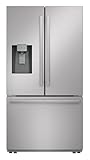
Overview: The Sharp SJF2955KS is a premium 28.9 cubic foot French door refrigerator designed for discerning homeowners who prioritize performance and convenience. This three-door configuration features a spacious interior with fingerprint-resistant stainless steel exterior, making it ideal for busy households. The integrated ice and water dispenser complements its modern aesthetic while providing everyday practicality.
What Makes It Stand Out: The Advanced Cooling Plus System sets this model apart, delivering precise temperature management throughout the cabinet. The Chill-Boost and Freezer-Boost modes offer rapid cooling when you need it most—perfect for chilling drinks quickly or preserving frozen items after grocery runs. The dual ice makers produce an impressive 6.9 pounds of ice daily, ensuring you never run out during entertaining. Five premium white LED lights provide exceptional visibility, eliminating dark corners.
Value for Money: At $2,299, this Sharp model competes with brands like Samsung and LG but offers unique rapid-cooling technology that justifies its premium positioning. The dual ice makers alone add significant value compared to single-ice-maker models in this price range.
Strengths and Weaknesses: Strengths include exceptional ice production, advanced cooling features, fingerprint-resistant finish, and superior interior lighting. Weaknesses include its higher price point and large footprint that may not suit smaller kitchens. The brand has less market presence than competitors.
Bottom Line: Ideal for large families and frequent entertainers who demand rapid cooling performance and abundant ice production. The premium features warrant the investment if your budget allows.
2. Winia WRFS26SUJE 25.5 Cu. Ft. French Door Dispenser Refrigerator With a Dual Ice Maker - Black Stainless Steel

Overview: The Winia WRFS26SUJE delivers French door sophistication in a 25.5 cubic foot package at a compelling mid-range price point. This black stainless steel refrigerator balances modern style with practical functionality, featuring a through-the-door water and ice dispenser. The dual ice maker system ensures ample ice supply for busy families and frequent gatherings.
What Makes It Stand Out: ENERGY STAR certification distinguishes this model in its class, promising measurable utility savings month after month. The humidity-controlled crispers demonstrate thoughtful engineering, extending produce freshness significantly longer than standard bins. The black stainless finish offers a contemporary alternative to traditional stainless steel, resisting smudges while making a bold design statement.
Value for Money: Priced at $1,905, this Winia model undercuts many premium brands while delivering coveted French door features like dual ice makers and external dispensing. The energy efficiency translates to long-term operational savings that compound its already strong value proposition.
Strengths and Weaknesses: Strengths include energy efficiency, dual ice production, attractive black stainless finish, and produce-preserving crispers. Weaknesses include Winia’s limited brand recognition in North America and unspecified daily ice production rates. The slightly smaller capacity may feel constrained compared to 28+ cubic foot models.
Bottom Line: A smart choice for eco-conscious buyers seeking French door elegance without premium pricing. The energy savings and dual ice makers make it a practical, stylish investment for medium to large households.
3. DUURA Elite DE210FDBMDSS Refrigerator Built in with French Doors Adjustable Glass Shelves Dual Drawer Bottom Freezer with Ice Maker, LED Interior Light and Stainless Steel Exterior, 36-Inch, Metallic

Overview: The DUURA Elite DE210FDBMDSS offers built-in refrigerator styling at a fraction of typical built-in prices. This 20.7 cubic foot French door model features a bottom dual-drawer freezer configuration and professional stainless steel exterior. Designed for seamless kitchen integration, it provides flexible storage with adjustable components throughout the interior.
What Makes It Stand Out: Front exhaust design enables true built-in installation, a feature rarely found under $2,000. The dual-drawer freezer organization surpasses traditional single-bin designs, allowing better frozen food categorization and access. Electronic temperature controls offer precise management from 34-44°F in the fridge and -8 to 9°F in the freezer, accommodating diverse storage needs.
Value for Money: At $1,399, this DUURA model disrupts the built-in market, where comparable units often exceed $3,000. You’re getting French door styling, bottom freezer convenience, and built-in capability for less than many freestanding premium models.
Strengths and Weaknesses: Strengths include unbeatable built-in price, dual freezer drawers, adjustable cantilever shelves, and wide temperature range. Weaknesses include the lesser-known brand reputation, absence of through-door dispenser, and 20.7 cubic foot capacity that may disappoint large families. Service network availability could be limited.
Bottom Line: Perfect for renovation projects requiring built-in aesthetics on a strict budget. The dual freezer drawers and adjustable interior make it surprisingly versatile, though brand support should be verified locally before purchasing.
4. Commercial Cool 20 Cu. Ft. Top Mount Refrigerator with Ice Maker, 2-Door Refrigerator with Top Freezer,Freezer with Icemaker and Adjustable Temperature Control,Energy Star Certified, Stainless Look

Overview: The Commercial Cool 20 Cu. Ft. Top Mount Refrigerator delivers essential refrigeration at an entry-level price point. This no-frills unit features a traditional two-door configuration with freezer on top, providing reliable food preservation for budget-conscious consumers. The included ice maker adds convenience rarely found in this price class, making it more functional than basic dorm-style units.
What Makes It Stand Out: The $792 price tag makes this one of the most affordable frost-free, ice-maker-equipped refrigerators available today. ENERGY STAR certification ensures operating costs remain low month after month, while the frost-free design eliminates tedious manual defrosting forever. The adjustable temperature control allows independent climate settings for both refrigerator and freezer sections.
Value for Money: Exceptional value dominates this model’s appeal. Comparable units from major brands typically cost $300-500 more. The combination of frost-free operation, ice maker, and energy efficiency at this price point creates an unmatched budget proposition for cost-conscious shoppers.
Strengths and Weaknesses: Strengths include unbeatable affordability, frost-free convenience, energy efficiency, and included ice maker. Weaknesses include basic “stainless look” rather than true stainless steel, top freezer configuration that’s less ergonomic, and limited feature set. The brand’s service network and longevity remain unproven in the market.
Bottom Line: Ideal for rental properties, first apartments, or as a secondary garage refrigerator. The frost-free design and ice maker provide surprising sophistication for the price, making it a practical choice when budget is the primary concern.
5. BLACK+DECKER 20.1 Cu. Ft. Top Mount Refrigerator with Ice Maker, 2-Door Refrigerator with Top Freezer, Freezer with Icemaker and Adjustable Temperature Control, ENERGY STAR, BR2010JIMS, Sliver

Overview: The BLACK+DECKER 20.1 Cu. Ft. Top Mount Refrigerator brings brand recognition to the mid-range top freezer segment. This unit combines trusted appliance heritage with modern efficiency, featuring an inverter compressor and frost-free operation. The integrated ice maker and ENERGY STAR certification make it a compelling upgrade from budget alternatives for homeowners wanting reliability.
What Makes It Stand Out: The inverter compressor delivers notably quieter operation and superior energy efficiency compared to conventional compressors. BLACK+DECKER’s established service network provides peace of mind that lesser-known brands cannot match. The frost-free design and adjustable temperature controls offer maintenance-free convenience that busy families appreciate daily.
Value for Money: At $1,272, this model commands a $480 premium over the Commercial Cool equivalent. You’re paying for brand reliability, inverter technology, and proven customer support. For many buyers, this premium is justified for a primary kitchen appliance that will see daily use for years.
Strengths and Weaknesses: Strengths include trusted brand name, quiet inverter compressor, energy efficiency, frost-free operation, and reliable service network. Weaknesses include top freezer design that’s less convenient than French door models, no external dispenser, and price point that approaches entry-level French door units. The 3.5 lb ice production is modest.
Bottom Line: Best suited for buyers prioritizing brand trust and quiet operation over modern configuration. The inverter compressor and BLACK+DECKER reliability make it a wise long-term investment for traditional kitchen layouts where French door styling isn’t essential.
6. STMHOM 40QT Car Refrigerator with Ice Maker, 12 Volt Car Cooler with Wheels, Portable Refrigerator -4℉-68℉ with AC & DC Charger, Electric Cooler, Car Freezer for Travel, Home, Camping, Outdoor
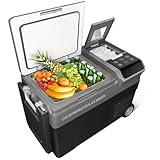
Overview: The STMHOM 40QT Car Refrigerator redefines portable cooling by combining a compact fridge with a built-in ice maker. This versatile unit offers 40 quarts of storage space and can chill contents from -4°F to 68°F, making it ideal for road trips, camping, and outdoor adventures. Its wheeled design and convertible handle add practical mobility.
What Makes It Stand Out: This unit’s standout feature is its rapid 5-minute ice-making capability, producing up to 16.5 pounds of ice daily while storing 120 cubes. The four-way power system (AC/DC/battery/solar) provides unmatched versatility, and the three-level voltage protection prevents vehicle battery drain. The handle doubling as a table is clever engineering.
Value for Money: At $249.99, this refrigerator offers exceptional value compared to separate portable fridges and ice makers. Competitors with similar cooling capacity alone cost $200+, while adding ice-making functionality typically requires another $100+ purchase. The multi-power compatibility eliminates need for separate adapters, justifying every dollar for frequent travelers.
Strengths and Weaknesses: Strengths include rapid ice production, robust battery protection, wheeled portability, and flexible power options. The dual-function design saves space and money. Weaknesses: ice making and refrigeration cannot operate simultaneously, the detachable battery costs extra, and 40 quarts may prove limiting for extended group trips.
Bottom Line: The STMHOM 40QT is an excellent investment for outdoor enthusiasts who prioritize both cold storage and fresh ice. Despite minor limitations, its innovative combination of features, solid construction, and thoughtful design make it a top-tier portable cooling solution for most travel scenarios.
7. Velieta Wine and Beverage Refrigerator,24 Inch Dual Zone Wine Beverage Cooler, Built-in/Freestanding Beer and Wine Fridge with a Powerful Compressor, 20 Bottles and 88 Cans Capacity

Overview: The Velieta 24-inch Wine and Beverage Refrigerator delivers sophisticated dual-zone cooling for serious entertainers. This versatile unit accommodates 20 wine bottles and 88 cans across two independently controlled compartments, with temperature ranges from 35°F to 50°F for beverages and 41°F to 64°F for wines. Its front-venting design enables seamless built-in or freestanding installation.
What Makes It Stand Out: Independent dual-zone cooling sets this apart, allowing simultaneous storage of perfectly chilled wines and icy-cold beverages. The powerful compressor system maintains stable temperatures while operating quietly. Front ventilation and a reversible door provide installation flexibility, while blue LED lighting and touch controls add premium aesthetic appeal.
Value for Money: Priced at $594.99, this unit competes favorably with premium dual-zone coolers costing $700-$900. The combination of wine and beverage storage eliminates need for two separate appliances, while energy-efficient operation reduces long-term costs. For wine collectors who entertain frequently, the convenience justifies the mid-range investment.
Strengths and Weaknesses: Strengths include precise dual-zone temperature control, large mixed capacity, quiet operation, flexible installation, and attractive design. The stainless steel door provides excellent insulation. Weaknesses: limited to drink storage only, requires significant floor space, and the wire beverage shelves feel less premium than wooden wine racks.
Bottom Line: The Velieta Wine and Beverage Refrigerator excels for homeowners wanting dedicated drink storage without purchasing two units. Its dual-zone performance, flexible installation, and elegant design make it a smart choice for entertainers, despite minor shelving quality differences.
8. Z Line Kitchen and Bath ZLINE 36 in. 28.9 cu. ft. Standard-Depth French Door External Water Dispenser Refrigerator with Dual Ice Maker in Fingerprint-Resistant Black Stainless Steel (RSM-W-36-BS)

Overview: The ZLINE 36-inch French Door Refrigerator represents luxury kitchen appliances with its massive 28.9 cubic feet capacity and premium features. This standard-depth unit combines an 18.5 cu ft refrigeration compartment with a 10.4 cu ft freezer, all wrapped in fingerprint-resistant black stainless steel. Dual ice makers and external dispensing elevate convenience.
What Makes It Stand Out: Dual ice makers producing nearly 7 pounds daily ensure you never run out, while Super Cool and Super Freeze modes rapidly chill groceries. The external water and ice dispenser accommodates tall containers, and fingerprint-resistant finish maintains pristine appearance. This is true premium performance for demanding households.
Value for Money: At $3,509.99, this refrigerator sits in the premium tier, yet undercuts comparable luxury brands by $500-$1,000. The dual ice maker system alone adds significant value, while Super modes and generous capacity rival units costing $4,500+. For luxury kitchen builds, it delivers competitive high-end features.
Strengths and Weaknesses: Strengths include enormous storage capacity, dual ice production, rapid cooling modes, sleek external dispenser, and smudge-resistant finish. The standard-depth design integrates well in most kitchens. Weaknesses: premium price point, requires ample kitchen space, and standard-depth may protrude slightly in shallow layouts.
Bottom Line: The ZLINE French Door Refrigerator is an outstanding luxury choice for large families or entertainers needing maximum storage and ice production. Its premium features, competitive pricing, and elegant design make it a top contender in the high-end appliance market.
9. Z Line Kitchen and Bath ZLINE 36 in. 28.9 cu. ft. Standard-Depth French Door External Water Dispenser Refrigerator with Dual Ice Maker in Fingerprint-Resistant Stainless Steel (RSM-W-36)

Overview: The ZLINE 36-inch French Door Refrigerator offers identical premium performance to its black stainless counterpart in classic stainless steel. With 28.9 cubic feet of total capacity, dual ice makers, and external water dispenser, this standard-depth unit delivers luxury features for discerning homeowners seeking timeless kitchen aesthetics.
What Makes It Stand Out: This model shares all premium features: dual ice makers producing 7 pounds daily, Super Cool/Super Freeze rapid chilling modes, and tall-container external dispenser. The fingerprint-resistant stainless steel finish provides the same smudge protection while offering traditional appeal. Performance and capacity match the black stainless version exactly.
Value for Money: At $3,329.99, this version costs $180 less than the black stainless model, making it the better value for budget-conscious luxury buyers. You sacrifice nothing in performance or features, only the darker finish. Compared to competitors at $4,000+, this remains a strong luxury value proposition.
Strengths and Weaknesses: Strengths mirror its sibling: massive capacity, dual ice production, rapid cooling modes, and fingerprint-resistant stainless steel. The $180 savings is a clear advantage. Weaknesses include premium pricing, substantial space requirements, and standard-depth protrusion. Finish choice becomes purely aesthetic preference without functional compromise.
Bottom Line: Choose this stainless steel version for identical premium performance at a lower price. The ZLINE French Door Refrigerator delivers exceptional luxury features and capacity, making it ideal for large households wanting high-end functionality without paying extra for finish preference.
10. 2026 UPGRADED WR57X10051 WR57X10032 WR57X33326 Refrigerator Ice-Maker Water Inlet Valve – Dual Solenoid 1/4" Compression, for GE Kenmore Hotpoint fridges – Replaces AP3672839 PS901314 WR2X10105

Overview: The WR57X10051 Refrigerator Ice-Maker Water Inlet Valve is a precision-engineered replacement part for GE, Kenmore, and Hotpoint refrigerators. This dual-solenoid valve restores proper water flow to dispensers and ice makers, fixing common issues like leaks, slow ice production, or no water delivery. DIY installation saves costly service calls.
What Makes It Stand Out: Built with rugged copper-coil solenoids and food-grade EPDM diaphragms, this valve exceeds OEM specifications for durability and quiet operation. The plug-and-play design with pre-formed bracket enables tool-free installation for most users. Lifetime tech support and hassle-free replacement guarantee provide unmatched peace of mind.
Value for Money: At $15.99, this valve costs 85% less than a typical $100+ service visit. OEM parts often run $40-$60, making this an exceptional bargain. The lifetime warranty ensures you never pay twice for the same repair. For a simple DIY fix, the savings are substantial.
Strengths and Weaknesses: Strengths include broad model compatibility, durable construction exceeding OEM specs, true DIY installation, and lifetime warranty. The 1/4" compression fitting works universally. Weaknesses: requires basic DIY confidence, model verification is critical, and some older fridges may need professional installation despite claims.
Bottom Line: This water inlet valve is an essential purchase for handy homeowners with failing ice makers or water dispensers. The combination of OEM-beating quality, DIY simplicity, and lifetime support makes it a no-brainer replacement part that pays for itself immediately.
What Exactly Is a Dual Ice Maker System?
A dual ice maker refrigerator features two separate ice-making mechanisms within a single unit. Unlike traditional refrigerators that rely on a single ice maker in the freezer door, these models double your production capability. The most common setup includes one ice maker in the refrigerator door (dispensing through the water/ice dispenser) and a second, auxiliary ice maker located in the freezer compartment. This redundancy means that even if one unit malfunctions or can’t keep up with demand, the other continues producing.
The technology operates using independent water lines, separate molds, and often distinct cooling mechanisms. Some premium models even feature different ice types between the two systems—one producing standard crescent cubes while the other crafts slow-melting craft ice spheres or chewable nugget ice. Understanding this fundamental architecture is crucial because it affects everything from installation complexity to maintenance schedules.
Why Side-by-Side Refrigerators Pair Perfectly with Dual Ice Makers
The side-by-side configuration offers inherent advantages for dual ice maker integration that other styles simply can’t match. With vertical compartments running parallel, manufacturers can position the primary ice maker in the refrigerator door at chest height for easy access while tucking the secondary unit into the lower freezer section without sacrificing usable shelf space.
This layout optimizes workflow efficiency. You can grab a quick glass of ice water from the door dispenser while simultaneously accessing bagged ice from the freezer bin for a cooler. The narrow door swing radius of side-by-side models also means you don’t need to fully open a wide French door to reach either ice source—a subtle but significant benefit in tight kitchen layouts.
The Two Types of Dual Ice Maker Configurations
In-Door Ice Makers vs. Freezer Bin Ice Makers
The first configuration type combines an in-door dispenser ice maker with a traditional freezer bin ice maker. The door unit typically produces smaller batches more frequently, optimized for daily beverage service. The freezer bin unit operates on a larger scale, generating ice that’s deposited into a storage bucket for bulk use. This separation prevents the dreaded “ice avalanche” when you just want a few cubes and ensures your dispenser never runs dry during peak usage.
Dedicated Ice Production Zones
Advanced models take a different approach by creating entirely separate ice production zones. One might be dedicated to craft ice—large, crystal-clear spheres or artisanal cubes—while the other handles high-volume standard ice production. These zones often feature independent temperature controls, allowing you to prioritize ice quality in one zone and quantity in the other. This setup is particularly valuable for cocktail enthusiasts who demand pristine ice but also need bagged ice for everyday family use.
Key Benefits of Investing in a Dual Ice Maker Model
Redundancy is the most obvious advantage, but the benefits extend far beyond backup ice. Dual systems dramatically increase daily production capacity, often generating 50-80% more ice than single-maker models. This translates to 10-12 pounds daily versus the typical 6-8 pounds in standard refrigerators.
For entertainers, this means never making a mid-party ice run. For large families, it eliminates the morning scramble for ice before school and work. The psychological benefit is equally important—removing ice management from your mental load. Additionally, many dual systems produce different ice types simultaneously, giving you culinary versatility without countertop ice machine clutter.
Critical Features to Evaluate Before You Buy
Ice Production Rate and Daily Capacity
Manufacturers often advertise “up to 12 pounds daily,” but that figure represents optimal conditions—stable ambient temperature, frequent door openings to trigger production cycles, and ideal water pressure. Real-world production typically runs 20-30% lower. Look for models specifying production per 24-hour cycle under standard conditions (70°F ambient, 50°F water inlet). The most capable units deliver 9-10 pounds consistently, while budget dual-maker models might struggle to exceed 7 pounds in practice.
Ice Storage Capacity: The Real Limiting Factor
Production rate means nothing without adequate storage. Your refrigerator needs sufficient bin capacity to hold that ice until you need it. Quality dual ice maker models offer 4-6 pounds of combined storage between both units. Pay attention to bin design—removable, insulated bins with drainage systems prevent clumping and melting. Some premium models feature separate storage for each ice type, preventing flavor transfer and maintaining optimal texture.
Ice Type Versatility: Cubes, Nuggets, and Beyond
Standard crescent cubes work for most applications, but ice aficionados should investigate specialty options. Nugget ice (also called pellet or Sonic ice) has exploded in popularity for its chewable texture and rapid cooling properties. Craft ice—large, slow-melting spheres or prisms—elevates cocktails and spirits. Some dual systems let you select different ice types from each maker, effectively giving you two specialized machines in one. Verify ice dimensions, clarity, and melting rates if these factors matter to your usage.
Water Filtration System Quality
Ice is only as pure as the water that makes it. Dual ice maker models require robust filtration to prevent mineral buildup in two separate systems. Look for NSF-certified filters with multi-stage filtration—sediment removal, chlorine reduction, and scale inhibition. The best systems include dedicated filters for each ice maker, preventing cross-contamination. Check filter replacement costs and frequency; premium filters lasting six months might cost $50-80 each, doubling your annual maintenance expense.
Smart Technology Integration
Modern dual ice maker refrigerators often include Wi-Fi connectivity and app control. These features let you monitor ice levels remotely, increase production before parties, receive maintenance alerts, and diagnose issues without service calls. Some apps track your ice consumption patterns and automatically optimize production schedules. While not essential, smart features add significant convenience value and can prevent costly repairs through proactive maintenance notifications.
Installation Requirements and Space Considerations
Door Clearance and Swing Radius
Side-by-side models with dual ice makers require precise door clearance. The water line for the dispenser runs through the hinge, meaning you need at least 2-3 inches of clearance on the hinge side for proper tubing bend radius. Measure your space carefully, accounting for baseboards and wall outlets. Consider the swing path—both doors need to open 90-110 degrees for full bin access and filter changes.
Water Line Specifications
Dual ice makers demand higher water pressure and flow rates than single units. Most require 40-120 psi water pressure and a 1/4-inch copper or PEX supply line. Some premium models need dedicated lines for each ice maker, effectively requiring a water line splitter or dual connection point. Hard water areas should install an inline pre-filter to protect both systems from scale buildup, extending lifespan and reducing maintenance frequency.
Electrical Requirements
While most units run on standard 120V outlets, dual ice maker models draw more current during simultaneous ice production cycles. Ensure your kitchen circuit can handle the additional 2-3 amp draw. Avoid GFCI outlets if possible—they can nuisance trip during ice maker cycles. The refrigerator should be on a dedicated 15-20 amp circuit to prevent voltage drops that can damage compressor and ice maker components.
Energy Efficiency and Operating Costs
That second ice maker impacts your energy bill. Dual ice maker side-by-side models typically consume 50-75 kWh more annually than comparable single-maker units—roughly $6-10 per year at average electricity rates. However, the convenience factor often outweighs this minimal cost increase.
Look for ENERGY STAR certification, which ensures the model meets strict efficiency standards even with dual production. Pay attention to the EnergyGuide label’s estimated annual operating cost, but add 15-20% to account for heavy ice usage. Some models feature eco modes that reduce production during low-usage periods, saving energy without sacrificing readiness.
Maintenance and Longevity: Keeping Both Ice Makers Running
Cleaning and Descaling Protocols
Dual systems mean double the cleaning responsibility. Manufacturers recommend cleaning ice makers every 6-12 months, but with two units, staggering maintenance ensures you always have one operational. Use manufacturer-approved cleaners—never vinegar, which can damage internal sensors. Descaling is critical in hard water regions; mineral buildup can reduce production by 30% and eventually cause complete failure. Some premium models include automatic cleaning cycles, but manual inspection remains essential.
Filter Replacement Schedules
With two ice makers, you might have two separate filters on different replacement schedules. Track these diligently—most filters include indicator lights, but smart models send phone notifications. Replace filters every six months or 300 gallons, whichever comes first. Using expired filters not only affects ice quality but forces ice makers to work harder, reducing lifespan. Keep a log of replacement dates; consistency prevents premature component wear.
Common Issues and Troubleshooting Tips
Ice maker failures often stem from simple issues. If one unit stops producing while the other works, check the water line connection and filter status first. Freezer temperature fluctuations—caused by overloading or blocked vents—affect ice production in both units. Frost buildup around the ice maker chute indicates a door seal issue or humidity infiltration.
Strange-tasting ice usually means filter replacement is overdue or food odors are transferring in a shared bin. Cloudy ice points to mineral content or rapid freezing; some cloudiness is normal, but excessive opacity suggests water quality issues. If both units fail simultaneously, check the main water supply valve and household water pressure before calling service.
Cost Analysis: Budgeting for Your Dual Ice Maker Investment
Dual ice maker side-by-side refrigerators command a premium of $400-800 over comparable single-maker models. This upfront cost must be weighed against the expense of alternative solutions—a countertop ice maker ($200-500) plus the inconvenience of storage and maintenance. Factor in filter costs ($100-160 annually for two premium filters), increased water usage (about 5-8 gallons daily for heavy production), and potential repair costs.
Most dual ice maker systems include extended warranties on the ice makers themselves—typically 2-5 years compared to 1 year for the overall appliance. This reflects manufacturer confidence but also acknowledges the complexity. Budget for professional installation ($150-300) if water line modifications are needed, and consider a home warranty upgrade that specifically covers ice maker components.
Making Your Final Decision: A Buyer’s Checklist
Before committing, verify your household’s actual ice needs. Track your current usage for two weeks—how often do you run out? Do you entertain monthly or weekly? Measure your space twice, confirming door swing and water access. Check your home’s water pressure with a $10 gauge; low pressure will cripple performance.
Research filter availability and costs for any model you’re considering. Read user reviews focusing on long-term reliability, not just initial impressions. Confirm service technician availability in your area—dual ice makers require specialized knowledge. Finally, evaluate your exit strategy: if you move, will this feature add resale value in your market, or is it over-improvement?
Frequently Asked Questions
How much more ice can I realistically expect from a dual ice maker system?
Under normal household conditions, expect 9-11 pounds of ice daily versus 5-7 pounds from single-maker models. The real advantage is redundancy—when one unit cycles or fills, the other continues producing, eliminating downtime that typically creates shortages.
Will a dual ice maker increase my water bill significantly?
Moderately. Most systems use 3-5 gallons to produce one pound of ice, so an extra 4-5 pounds daily adds roughly 15-25 gallons to your water usage. At average municipal rates, this costs $2-4 monthly—far less than buying bagged ice.
Can I turn off one ice maker if I don’t need both?
Yes, most models allow independent control of each ice maker through the control panel or smartphone app. This is useful during vacations or low-usage periods, reducing energy consumption and extending component life.
Do dual ice maker refrigerators require more maintenance than standard models?
They require more frequent attention but not necessarily more complex maintenance. You’ll clean two units instead of one, but staggered scheduling means you’re never completely without ice. Filter costs double, but each system experiences less wear since production is distributed.
What’s the lifespan of a dual ice maker system compared to a single unit?
With proper maintenance, each ice maker should last 8-10 years—comparable to single units. However, because they share the workload, many users report longer effective lifespans. The key is consistent filter replacement and annual cleaning.
Are there any food safety concerns with having two ice makers?
No additional concerns beyond standard ice maker hygiene. Both systems should be cleaned regularly to prevent biofilm buildup. Independent water filtration actually improves safety by reducing contaminants. Ensure both bins are covered to prevent food particle contamination.
How noisy are dual ice maker refrigerators?
Modern units operate at 40-45 decibels—comparable to a quiet library. The second ice maker adds occasional cycling sounds (ice dropping, water filling) that might increase perceived noise by 3-5 decibels during peak production. Look for models with sound-dampening insulation if noise is a concern.
Can I install a dual ice maker refrigerator myself?
We strongly recommend professional installation. The dual water line requirements, precise leveling needed for proper ice maker function, and electrical considerations make DIY installation risky. Improper installation voids warranties and can cause leaks or production failures.
What happens if my water pressure is too low for a dual system?
Low pressure (below 40 psi) will cause slow production, small cubes, or complete failure in one or both units. You can install a booster pump ($150-300) or pressure regulator if pressure is too high. Test your pressure before purchase to avoid disappointment.
Is the extra cost worth it for a household of just two people?
Probably not unless you’re avid entertainers or ice enthusiasts. Dual ice makers shine in households of four or more people or those hosting gatherings regularly. For smaller households, a high-capacity single ice maker or portable unit might be more cost-effective.