Imagine stepping into your kitchen and being greeted by a refrigerator that doesn’t just store food but elevates your entire culinary experience. French door refrigerators have long been a favorite for their intelligent layout and sleek aesthetics, but the models arriving now are redefining what we expect from this essential appliance. Forget the clunky, inefficient units of the past; today’s innovations blend seamless technology, thoughtful ergonomics, and stunning design to become the true heart of the modern kitchen. They solve everyday frustrations – from awkwardly stored condiments to wasted energy – with features that feel almost intuitive, making meal prep smoother and kitchen life genuinely better.
The evolution isn’t just about looks; it’s a response to how we live now. We demand appliances that are as smart and adaptable as the rest of our connected homes, yet effortlessly blend into sophisticated kitchen designs. Sustainability is non-negotiable, space is precious, and convenience is king. French door refrigerators meeting these demands go beyond mere functionality; they offer peace of mind through precise temperature control, reduce environmental impact with cutting-edge efficiency, and even help minimize food waste through smart monitoring. Choosing the right one isn’t just a purchase; it’s an investment in a more organized, efficient, and enjoyable kitchen that grows with your evolving needs and lifestyle.
Top 10 French Door Refrigerators
Detailed Product Reviews
1. KoolMore 30-Inch and 18.5 cu. ft. Counter Depth French Door Refrigerator with Three Doors and Deep Freezer in Stainless-Steel (KM-RERFDSS-18C)

Overview:
This counter-depth French door refrigerator integrates seamlessly into modern kitchens with its 30-inch width and flat stainless-steel design. Offering 18.5 cubic feet of total capacity, it features dual French doors for the fridge compartment, two deep freezer drawers, and humidity-controlled double crispers for optimal food preservation.
What Makes It Stand Out:
Its true counter-depth profile (aligning with standard cabinetry) saves significant kitchen space without sacrificing storage. The double-flow cooling system ensures precise, even temperature distribution, while the spacious freezer drawers and six adjustable door bins enhance organization. The easy-open handles and fingerprint-resistant finish add practical elegance.
Value for Money:
Priced competitively for a counter-depth model, it delivers premium features like humidity-controlled crispers and adjustable shelving typically found in higher-end units. While slightly less capacious than full-depth alternatives, the space-saving design justifies the cost for kitchens prioritizing built-in aesthetics.
Strengths and Weaknesses:
Strengths: Seamless counter-depth integration; excellent temperature consistency; intuitive dual freezer drawers; fingerprint-resistant finish.
Weaknesses: Limited freezer capacity compared to total volume; no external water/ice dispenser; premium price may deter budget-focused buyers.
Bottom Line:
Ideal for homeowners seeking a stylish, space-conscious fridge with reliable cooling. It’s a strong investment for contemporary kitchens where counter alignment and freshness preservation are priorities, despite the modest freezer space.
2. Avanti French Door Refrigerator with Bottom Freezer 30-Inch Wide​, Frost Free Technology, Large Capacity with Adjustable Shelves, Door Bins & Crisper Drawers, 17.5 Cu.Ft., Stainless Steel

Overview:
This 17.5 cu. ft. French door refrigerator features a bottom-freezer configuration with frost-free technology, designed for hassle-free maintenance. It includes three adjustable glass shelves, two clear-view crisper drawers, and six door bins, balancing practical storage with user-friendly access in a standard 30-inch footprint.
What Makes It Stand Out:
Frost-free operation eliminates manual defrosting, while the clear-view crisper drawers enhance produce visibility and freshness. The dual French doors provide wide access to the fridge compartment, and optional delivery/installation support (in select areas) simplifies setup—ideal for busy households.
Value for Money:
Offers robust functionality at a mid-range price point. The frost-free tech and clear crispers add value over basic models, though the absence of advanced features like water dispensers keeps costs accessible. It’s a cost-effective solution for those prioritizing reliability over smart capabilities.
Strengths and Weaknesses:
Strengths: Frost-free convenience; transparent crisper drawers; customizable interior; straightforward maintenance.
Weaknesses: No external ice/water dispenser; freezer capacity (5.1 cu. ft.) feels cramped; basic digital controls lack innovation.
Bottom Line:
A dependable, no-frills refrigerator perfect for smaller households or secondary kitchens. Its frost-free design and clear organization features deliver solid everyday value, though tech enthusiasts may desire more advanced options.
3. Samsung 28 Cu. Ft. 4-Door French Door Smart Refrigerator with FlexZone Drawer, Stainless Steel, RF28R7201SR/AA

Overview:
Samsung’s 28 cu. ft. smart refrigerator combines expansive storage with AI-driven efficiency. Its four-door design features a versatile FlexZone drawer, external water/ice dispenser, and Twin Cooling Plus technology, targeting tech-savvy users seeking premium freshness and connectivity.
What Makes It Stand Out:
The FlexZone drawer offers four temperature presets (from fridge to freezer) for customizable storage, while SmartThings AI Energy Mode optimizes power use and tracks bills. The external dispenser provides cubed/crushed ice, and the flat-panel design creates a built-in aesthetic without counter-depth constraints.
Value for Money:
Premium-priced but justified by smart features and 28 cu. ft. capacity—significantly larger than competitors. Energy savings from AI mode offset long-term costs, though budget shoppers may balk at the initial investment compared to non-smart models.
Strengths and Weaknesses:
Strengths: Spacious FlexZone drawer; energy-monitoring AI; external ice/water dispenser; superior Twin Cooling preservation.
Weaknesses: High upfront cost; smart features require app reliance; complex maintenance if tech components fail.
Bottom Line:
A top-tier choice for those valuing innovation and space. The FlexZone and energy intelligence make it worth the splurge for large families, though simplicity seekers should consider alternatives.
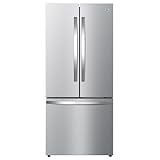
4. Kenmore 4675525 30’ French Door Refrigerator with Freezer - Accela Chill, Ice Maker, Adjustable Glass Shelves, ENERGY STAR Certified, 17.5 cu. ft. Capacity - Fingerprint Resistant Stainless Steel
Overview:
This ENERGY STAR-certified 17.5 cu. ft. counter-depth refrigerator merges space efficiency with smart cooling tech. Featuring Accela Chill rapid-cooling, a factory-installed ice maker, and fingerprint-resistant stainless steel, it targets eco-conscious users needing a streamlined kitchen profile.
What Makes It Stand Out:
Accela Chill quickly stabilizes temperatures for new groceries, while the multi-flow air system ensures even cooling. Six gallon-sized door bins and a two-tier freezer drawer maximize organization, and ENERGY STAR certification plus an inverter compressor slash long-term energy costs.
Value for Money:
Excellent value for a counter-depth ENERGY STAR model. The fingerprint-resistant finish and inverter compressor reduce upkeep, offering savings that offset its moderate premium over non-certified units—ideal for sustainability-focused buyers.
Strengths and Weaknesses:
Strengths: Energy-efficient operation; rapid Accela Chill feature; spacious gallon bins; smudge-proof exterior.
Weaknesses: Limited total capacity for large families; no external dispenser; freezer organization less intuitive than drawer-style models.
Bottom Line:
A practical, eco-friendly pick for compact kitchens. Its energy savings and rapid-cooling tech deliver lasting value, though larger households may need more freezer space.
5. LG LFDS22520S - Refrigerator/Freezer - French Door Bottom Freezer with Water Dispenser - Stainless Steel

Overview:
LG’s 21.8 cu. ft. French door model features a bottom freezer, external water dispenser, and Linear Compressor technology. With four spill-proof glass shelves and Multi-Air Flow cooling, it prioritizes durability and even temperature distribution in a standard-depth design.
What Makes It Stand Out:
The Linear Compressor promises quieter operation and 10-year reliability, while Multi-Air Flow vents maintain consistent temps across compartments. The external water dispenser adds convenience, and the split glass shelves simplify heavy-item storage without compromising structural integrity.
Value for Money:
Competitively priced for its capacity and compressor warranty. The 10-year coverage on key components reduces long-term risk, making it a shrewd buy versus similarly sized units lacking extended protection—especially for reliability-focused shoppers.
Strengths and Weaknesses:
Strengths: Durable Linear Compressor; spill-proof shelves; efficient Multi-Air Flow; external water access.
Weaknesses: No ice dispenser; basic interior organization; bottom freezer less accessible than drawer styles.
Bottom Line:
A reliable, low-maintenance workhorse ideal for families wanting longevity over frills. The compressor warranty and spill-proof shelves justify its price, though ice lovers should note the water-only dispenser.
6. LG LMXS28626S 28 Cu. Ft. Stainless Steel 4-Door French Door Refrigerator
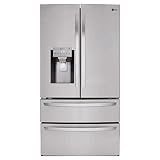
Overview: The LG LMXS28626S is a premium 28 cu. ft. French door refrigerator designed for large households needing exceptional organization and smart features. Its four-door layout separates fresh foods (18.6 cu. ft.) from the freezer (9.2 cu. ft.), optimizing accessibility and temperature control.
What Makes It Stand Out: Dual freezer drawers with durable DuraBase bases offer superior organization for bulk items. The SpacePlus Ice System creates ice without sacrificing interior shelf space, while Door Cooling+ rapidly restores temperature after door openings. Wi-Fi connectivity via ThinQ enables remote monitoring and SmartDiagnosis for troubleshooting, adding significant convenience.
Value for Money: Positioned at a higher price point, it justifies cost through robust build quality, innovative storage solutions, and energy efficiency. Compared to basic models, the smart features, organizational flexibility, and consistent cooling provide long-term value for tech-savvy families prioritizing freshness and convenience.
Strengths and Weaknesses:
Strengths: Spacious, well-organized layout; highly effective cooling system; useful smart features; durable freezer drawers; efficient ice production.
Weaknesses: Premium pricing; potential complexity of smart features for some users; stainless steel finish shows fingerprints.
Bottom Line: An excellent investment for large families seeking top-tier organization, smart connectivity, and reliable freshness; recommended despite the cost for those valuing advanced features and capacity.
7. BLACK+DECKER 16 Cu. Ft. French Door Refrigerator with Built-in Ice Maker, Full Size Refrigerator with Bottom Mount Freezer Drawer, Frost Free, ENERGY STAR certified, BRF1600GIMB, Black

Overview: This BLACK+DECKER BRF1600GIMB offers a stylish French door design with a bottom freezer drawer, providing 16.21 cu. ft. of total capacity (11.15 cu. ft. fridge, 5.06 cu. ft. freezer) in a compact, ENERGY STAR-certified package suited for smaller households or kitchens.
What Makes It Stand Out: Its modern French door aesthetic combined with a bottom freezer maximizes kitchen style and accessibility. The built-in ice maker produces up to 3.5 lbs. of ice daily, and precise digital temperature controls for both compartments ensure optimal food preservation without manual adjustment hassles.
Value for Money: Positioned affordably, it delivers solid core functionality—decent capacity, frost-free operation, an ice maker, and energy efficiency—at a budget-friendly price. It outperforms similarly priced mini-fridges and basic top-freezers, offering significant kitchen upgrade value for cost-conscious buyers.
Strengths and Weaknesses:
Strengths: Attractive modern design; easy digital temperature control; reliable built-in ice maker; ENERGY STAR efficiency; compact footprint ideal for smaller spaces.
Weaknesses: Lower total capacity than larger models; freezer space is limited; fewer advanced organizational features; basic interior lighting.
Bottom Line: A practical, stylish, and efficient choice for singles, couples, or small families needing a reliable French door fridge with an ice maker on a budget; highly recommended for space-conscious setups.
8. GE GNE27JYMFS 36" French Door Refrigerator with 27 cu. ft. Total Capacity Energy Star LED Lighting Internal Water Dispenser Spill-Proof Shelves in Fingerprint Resistant Stainless Steel

Overview: The GE GNE27JYMFS is a 27 cu. ft. French door refrigerator featuring fingerprint-resistant stainless steel, ENERGY STAR certification, and practical organization tools. It targets households needing ample space without premium smart features, focusing on reliable core functionality.
What Makes It Stand Out: The standout feature is the Quick Space shelf, which slides forward effortlessly to accommodate tall items—a simple yet highly practical solution for flexible storage. Spill-proof glass shelves and bright LED lighting enhance usability and maintenance, while the internal water dispenser saves counter space.
Value for Money: Offering a competitive price for its size and ENERGY STAR efficiency, it provides excellent value for buyers prioritizing essential features over connectivity. The durable build, fingerprint resistance, and thoughtful shelf design deliver more utility per dollar than many similarly sized entry-to-mid-tier models.
Strengths and Weaknesses:
Strengths: Highly functional Quick Space shelf; spill-proof, adjustable shelves; energy efficient; fingerprint-resistant finish; bright LED lighting.
Weaknesses: Lacks advanced features like smart connectivity or dual ice makers; internal water dispenser reduces fridge capacity; basic temperature controls.
Bottom Line: A dependable, well-organized workhorse ideal for families needing spacious, easy-to-clean storage; recommended for those valuing practicality and energy savings over high-tech extras.
9. Midea MRF29D6AST 29.3 Cu. Ft. Stainless 3-Door French Door Smart Refrigerator

Overview: The Midea MRF29D6AST is a spacious 29.3 cu. ft. smart refrigerator featuring a 3-door French design (dual fridge doors + bottom freezer drawer), appealing to users seeking maximum capacity and modern conveniences like integrated dispensers.
What Makes It Stand Out: Dual ice makers—one in the door and one in the freezer—enable simultaneous water and ice dispensing, a rare feature enhancing convenience. Combined with standard depth design preventing kitchen protrusion and fingerprint-resistant stainless steel, it offers a compelling blend of high capacity and user-friendly tech.
Value for Money: Competitively priced for its enormous capacity and dual dispensers, it undercuts premium brands significantly. While lacking some LG/GE smart features, the dual ice system and large footprint provide exceptional utility for large families, making it a strong value for capacity-focused buyers.
Strengths and Weaknesses:
Strengths: Massive 29.3 cu. ft. capacity; unique dual ice maker system; space-saving standard depth; fingerprint-resistant finish; bright LED lighting.
Weaknesses: Smart features less refined than competitors; potential noise from dual ice makers; fewer organizational presets in freezer; basic app integration.
Bottom Line: An outstanding choice for large households needing maximum storage and dual dispensers without premium pricing; recommended for capacity and convenience, though tech enthusiasts may prefer more polished smart systems.
10. Hamilton Beach HBFR1504 Full Size Counter Depth Refrigerator with Two Freezer Drawers, 17.9 cu ft, Stainless
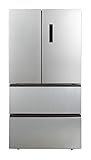
Overview: The Hamilton Beach HBFR1504 is a 17.9 cu. ft. counter-depth refrigerator featuring French doors and dual freezer drawers, designed to seamlessly integrate into kitchen cabinetry while offering flexible storage for moderate-sized households.
What Makes It Stand Out: Its counter-depth design (typically ~24-27 inches deep) ensures it sits flush with cabinets, eliminating bulky protrusion—a major advantage for smaller or galley kitchens. Dual freezer drawers enhance organization, while the simple mechanical thermostat and built-in lamp prioritize straightforward usability.
Value for Money: Priced accessibly, it delivers unique counter-depth functionality often found in much costlier models. The space-saving design, dual freezer access, and full-size capacity provide exceptional value for renters or owners renovating compact kitchens where standard-depth fridges won’t fit.
Strengths and Weaknesses:
Strengths: True counter-depth profile for seamless kitchen integration; two freezer drawers for better organization; adjustable shelves/feet; easy-to-use thermostat; budget-friendly price.
Weaknesses: Lower capacity than standard-depth fridges; lacks water/ice dispenser; basic mechanical controls; minimal advanced cooling features.
Bottom Line: The top recommendation for stylish, space-constrained kitchens needing a full-size fridge that fits flush; ideal for urban dwellers or renovators prioritizing aesthetics and practicality over high-tech extras.
Understanding the French Door Advantage
The fundamental design of a French door refrigerator – two parallel doors for the fresh food compartment above a bottom freezer drawer – offers distinct benefits that set it apart from traditional top-freezer or side-by-side models. This configuration provides wider, unobstructed access to the main refrigerated space, making it significantly easier to organize and retrieve larger items like sheet pans, pizza boxes, or tall beverage containers without constant reorganization. The bottom freezer placement also aligns with how we typically use our appliances, keeping the most frequently accessed fresh foods at eye and waist level, reducing strain and making daily use more ergonomic.
Optimizing Kitchen Workflow and Accessibility
The wide refrigeration opening minimizes the need to awkwardly maneuver items in and out, streamlining tasks like loading groceries or preparing meals. This layout naturally encourages better organization, as shelves aren’t bisected by a central hinge like in side-by-side models. Consider how this impacts your specific routine: if you frequently cook with multiple ingredients or host gatherings, the ease of accessing everything simultaneously becomes a major quality-of-life upgrade, reducing clutter and the frustration of items getting lost in the back.
Space Efficiency and Cabinet Integration
Modern French door units are meticulously designed to maximize usable interior volume while fitting standard cabinet openings (typically 30-36 inches wide). Pay close attention to external dimensions, especially depth and height with doors open, to ensure seamless integration into your cabinetry and adequate clearance for comfortable door swing in your kitchen’s traffic flow. Many contemporary models feature counter-depth designs (around 24-27 inches deep) that sit flush with standard countertops, eliminating the bulky protrusion of older models for a built-in, high-end look that suits open-plan living spaces perfectly.
Key Features Driving Modern Performance
Today’s French door refrigerators are packed with innovations focused on preserving food freshness longer, simplifying daily use, and integrating smoothly into connected home ecosystems. These features move far beyond basic cooling, addressing core user pain points like inconsistent temperatures, energy consumption, and food spoilage.
Precision Temperature and Humidity Management
Advanced multi-airflow systems circulate chilled air more evenly throughout both compartments, drastically reducing hot and cold spots that can lead to premature spoilage. Dedicated humidity-controlled crispers are now standard, but the best systems offer precise, independent settings for different produce types (high humidity for leafy greens, low for fruits that emit ethylene). Look for models with sensors that automatically adjust cooling based on door openings or ambient kitchen temperature changes.
Smart Connectivity and Diagnostic Capabilities
Integrated Wi-Fi connectivity allows remote monitoring and control via smartphone apps – check interior temperatures, adjust settings while grocery shopping, or receive alerts if the door is left ajar. More valuable than flashy apps are robust diagnostic systems that can often pinpoint issues and guide troubleshooting, potentially reducing service calls. Some systems even monitor filter life or provide usage insights to optimize energy consumption.
Advanced Filtration Systems for Purity
Beyond basic water filters, comprehensive systems now address air quality inside the refrigerator. Multi-stage filtration purifies both the water for dispensers/ice and the air circulating within the fresh food compartment, neutralizing odors from strong-smelling foods and preventing flavor transfer between items. This significantly extends the freshness window for sensitive items like dairy and produce.
Design Elements for the Contemporary Kitchen
The visual impact of your refrigerator matters. It’s one of the largest, most visible elements in the kitchen, so its design must harmonize with your overall aesthetic while offering practical surface benefits.
Finish Options and Material Durability
Gone are the days of limited stainless steel. Expect a wide array of finishes: fingerprint-resistant stainless steel (a game-changer for busy households), matte black, sleek white, bold colors, and even custom panel-ready options that accept wood veneers to match your cabinetry seamlessly. Consider not just aesthetics but practicality – textured finishes hide scratches better, while smooth finishes offer a more premium look but require more cleaning vigilance.
Interior Lighting and Visibility
Strategic LED lighting is crucial. Premium models feature bright, even illumination across all shelves and compartments, often with adaptive lighting that activates as you open the door. Look for lights positioned under shelves to eliminate shadows on lower levels, making it effortless to find items tucked in the back. Adjustable or removable light bars can also aid in deep cleaning.
Door-in-Door Convenience Features
A popular innovation is the external access panel, typically on the fresh food side. This small, insulated compartment allows quick retrieval of high-use items (milk, drinks, condiments) without opening the main doors, saving significant cold air (and energy) over time. Evaluate the size and placement of this compartment – it should be large enough for practical use but not compromise the main interior volume excessively.
Essential Capacity and Configuration Considerations
Choosing the right size isn’t just about total cubic feet; it’s about how that space is intelligently divided to suit your household’s specific storage patterns and dietary habits.
Calculating Your True Needs
Start by considering household size, but go deeper: Do you meal prep weekly? Buy in bulk? Entertain frequently? Have specific dietary needs requiring large quantities of fresh produce or beverages? Measure your existing space and note the location of water lines and electrical outlets. Remember to factor in necessary clearance for door swing (often 90-180 degrees) and ventilation space (check the manual!). A slightly smaller unit with superior organization might serve you better than a cavernous one that becomes a disorganized black hole.
Shelf and Bin Flexibility
The hallmark of a great French door fridge is adaptable storage. Look for spill-proof, tempered glass shelves that are easily adjustable in height. Consider the number and size of door bins – can they accommodate gallon containers? Tall bottles? Dedicated dairy compartments or deli drawers keep specific items organized and at optimal temps. Flexible bin systems in crispers allow you to customize drawer layouts for long carrots or short snap peas.
Freezer Drawer Functionality
The bottom freezer drawer’s usability is critical. Assess the glide mechanism – it should open smoothly even when fully loaded. Internal organization matters: adjustable baskets, dedicated ice storage compartments, and dividers help prevent a frozen jumble. Some models offer convertible zones, allowing part of the freezer to switch to refrigerator temps for extra fresh food space during holidays or for specific storage needs.
Prioritizing Energy Efficiency and Sustainability
With rising energy costs and environmental awareness, the efficiency of your refrigerator is a major long-term factor, impacting both your utility bills and carbon footprint.
Decoding Energy Star Ratings and Beyond
Always look for the Energy Star certification as a baseline, indicating the model meets strict efficiency guidelines set by the EPA. However, go further: compare the estimated annual operating cost listed on the yellow EnergyGuide label. Modern French doors, especially counter-depth models with optimized compressors and superior insulation, can be remarkably efficient. Inverter compressors, which adjust speed based on cooling demand rather than cycling on/off, are a significant efficiency booster.
Sustainable Materials and Manufacturing
Leading manufacturers are increasingly using recycled materials in construction (like recycled plastics in bins) and implementing more sustainable manufacturing processes. While harder to verify directly, researching a brand’s overall environmental commitments can provide insight. Features like adaptive defrost cycles (only defrosting when necessary based on usage) and efficient lighting also contribute to lower overall energy consumption.
Installation and Long-Term Usability Factors
The buying decision extends beyond the showroom floor. Consider the realities of getting the unit into your home and living with it for years.
Navigating Delivery and Installation Challenges
Measure doorways, hallways, and stairwells before purchasing! French door models, especially larger or counter-depth units, can be bulky. Verify the delivery team’s experience with appliance installations, including proper water line connections for dispensers and ensuring the unit is perfectly level (critical for door seals and operation). Factor in potential costs for removing your old unit and installing a new water line if needed.
Noise Levels and Vibration Control
While modern compressors are generally quiet, placement matters. Ensure adequate space around the unit (especially at the back and sides) for proper airflow to prevent the compressor from overworking and generating excess noise. Look for models specifically noting low decibel ratings or advanced vibration damping systems if the kitchen is adjacent to living or sleeping areas. A unit that hums quietly is far more pleasant than one with a constant, noticeable buzz.
Warranty Coverage and Service Network Reliability
A comprehensive warranty is essential peace of mind. Pay attention to the duration of coverage for the sealed system (compressor, condenser, evaporator) versus parts and labor. A standard 1-year full parts/labor warranty is typical, but longer sealed system coverage (5-10 years) is common and valuable. Research the manufacturer’s service network reputation in your area – even the best appliance needs service eventually, and prompt, reliable support is crucial.
Maximizing Value Through Informed Selection
Approaching your purchase strategically ensures you get the features you truly need without overspending on bells and whistles you’ll rarely use.
Identifying Must-Have vs. Nice-to-Have Features
Be ruthlessly honest with yourself. Is a built-in camera essential, or would a simple external light suffice? Do you need the largest capacity possible, or would a mid-size model with better organization serve you better? Prioritize core performance (temperature consistency, energy efficiency) and essential convenience features (spill-proof shelves, adequate crisper space) before considering premium add-ons. List your top 5 non-negotiables before shopping.
Evaluating Total Cost of Ownership
The sticker price is only part of the story. Factor in estimated annual energy costs (found on the EnergyGuide label), potential water filter replacement costs, and the likelihood of service needs based on brand reliability. A slightly more expensive model with superior efficiency and a robust warranty might save you significant money over its 10-15 year lifespan compared to a cheaper, less efficient unit.
Reading Between the Lines of Reviews
When researching, focus on patterns in user reviews rather than isolated complaints. Look for consistent mentions of temperature issues, excessive noise, or poor customer service – these signal potential systemic problems. Pay attention to reviews from users with needs similar to yours (e.g., large families mentioning freezer drawer usability). Professional reviews often provide valuable insights into long-term performance testing and feature usability that individual buyers might not assess.
Frequently Asked Questions
Frequently Asked Questions
How much clearance do French door refrigerators need around them? Most require 1-2 inches on the sides and top, and 2-4 inches at the back for ventilation. Always check the specific model’s manual, as counter-depth units often have different requirements than standard-depth models to ensure proper airflow and door swing.
Do French door refrigerators use more energy than other styles? Not necessarily. Modern French door models, especially Energy Star certified ones with inverter compressors, can be highly efficient. Bottom freezer placement can sometimes be slightly more efficient than side-by-side models, but actual consumption depends heavily on specific features, usage patterns, and the unit’s overall design efficiency.
Are counter-depth French door refrigerators worth the investment? They offer significant aesthetic benefits by aligning with countertops, creating a built-in look ideal for open kitchens. However, they often have slightly less interior capacity than standard-depth models of the same footprint. They are worth it if seamless integration and a premium look are high priorities for your kitchen design.
Why do French door refrigerators have a bottom freezer? This design places the most frequently accessed fresh food compartment at eye and waist level for ergonomic convenience, while the less frequently accessed freezer is positioned lower. It also allows for a wider, unobstructed fresh food section compared to side-by-side models.
How can I prevent condensation and frost buildup in the freezer drawer? Ensure the freezer door seal (gasket) is clean and intact, creating a proper airtight seal. Avoid leaving the freezer drawer open for extended periods. Check that the unit is level, as misalignment can prevent the drawer from sealing correctly. Regularly defrosting if it’s a manual-defrost model (though most modern units are frost-free) is also key.
What’s the biggest advantage of the French door design over side-by-side models? The primary advantage is the wider, unobstructed access to the fresh food compartment. This makes storing and retrieving larger items like pizza boxes, sheet pans, or tall containers significantly easier without having to constantly move things around, as the central divider in side-by-side models restricts width.
How long should a quality French door refrigerator last? With proper maintenance (cleaning coils, replacing water filters, ensuring good ventilation), a well-built French door refrigerator from a reputable manufacturer can typically last between 10 to 15 years. Usage patterns and the quality of the installation also significantly impact lifespan.
Are external water and ice dispensers worth the potential maintenance? Dispensers offer great convenience but add complexity. They require a water line connection, regular filter changes, and can potentially develop leaks or malfunctions over time. If convenience is paramount and you’re diligent about maintenance, they are worthwhile. If you prefer simplicity and avoiding potential leaks, dispensers might be less appealing.
Can I install a French door refrigerator myself? While connecting the water line for a dispenser/ice maker requires plumbing skill (best left to a professional), basic placement, leveling, and electrical connection can sometimes be DIY. However, due to the weight and size of these units, professional delivery and installation are highly recommended to avoid injury and ensure proper setup for optimal performance and warranty validity.
How do I know if the capacity is right for my household? Go beyond just cubic feet. Consider your specific storage habits: Do you buy large quantities? Entertain often? Have dietary needs requiring specific storage? Measure your current fridge’s pain points. A good rule of thumb is 4-6 cubic feet of fresh food capacity per adult, plus extra for frequent entertainers or bulk shoppers, but interior layout is equally important as total volume.