Transforming a dorm room from a sterile box into a personalized sanctuary is practically a rite of passage for college students. While string lights and tapestries get all the attention, the real secret weapon for instant aesthetic elevation is often overlooked: the mini fridge. But not just any mini fridge—retro-style compact refrigerators have emerged as the ultimate fusion of function and fashion, turning a utilitarian appliance into a focal point that screams personality. These vintage-inspired beauties don’t just keep your snacks cold; they inject soul into those cinderblock walls, creating a curated, Instagram-worthy space that feels like home from day one.
The magic lies in their ability to bridge decades of design. With their rounded edges, chrome accents, and bold color palettes, retro fridges evoke a sense of nostalgia while delivering modern performance. They’re conversation starters, mood boosters, and space-savers all rolled into one perfectly petite package. Whether you’re channeling 1950s diner vibes or a mid-century modern aesthetic, understanding what separates a truly great retro mini fridge from a cheap imitation is crucial for making a purchase that lasts well beyond freshman year.
Top 10 Retro-Style Mini Fridges for Dorms
Detailed Product Reviews
1. Frigidaire EFR840-Cream EFR840 Retro Mini Fridge with Freezer & Side Bottle Opener-Small 2 Door Refrigerator for Office Bar or College Dorm Room-3.1 Cu Ft (Cream)

Overview: The Frigidaire EFR840-Cream delivers vintage aesthetics in a compact 3.1 cubic foot package, perfect for dorm rooms, offices, or bedrooms where style matters as much as function. This two-door unit features a separate freezer compartment and thoughtful organizational elements, combining retro charm with modern refrigeration needs. The cream finish offers a softer alternative to standard appliance colors, making it a decorative piece rather than just a utility.
What Makes It Stand Out: The cream colorway distinguishes this model from typical black or white mini fridges, providing sophisticated retro appeal. The side-mounted bottle opener adds practical bar-fridge functionality, while interior organization impresses with two glass shelves, a can dispenser, 2-liter door basket, and crisper bin. The dedicated freezer compartment isn’t merely an afterthought—it provides genuine frozen storage capacity rarely executed well in mini fridges.
Value for Money: At $229, this commands a premium price. You’re investing in Frigidaire’s brand reputation, distinctive styling, and superior build quality over generic alternatives that cost $50-80 less. The aesthetic upgrade justifies the cost for design-conscious buyers, though budget-focused shoppers may find better value in the series’ other colors. The organized storage and separate freezer deliver functionality that matches the price point.
Strengths and Weaknesses: Strengths include eye-catching retro design, excellent interior organization, separate freezer compartment, reversible door, and space-saving flush-back design. The cream finish elevates any room’s aesthetic. Weaknesses involve the premium pricing, occasional compressor noise typical of mini fridges, and the light-colored exterior may require more frequent cleaning. The capacity is modest for the price.
Bottom Line: This Frigidaire excels for buyers prioritizing design alongside reliable performance. If retro charm is essential to your space and budget allows, it’s a worthwhile investment that doubles as functional décor. Perfect for style-conscious students and professionals.
2. Frigidaire EFR840 Retro Mini Fridge with Freezer & Side Bottle Opener - Small 2 Door Refrigerator for Office Bar or College Dorm Room - 3.2 Cu Ft, Black
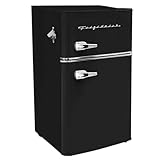
Overview: The black Frigidaire EFR840 offers the same reliable 3.2 cubic foot capacity as its colorful siblings in a more practical, fingerprint-resistant finish. This two-door mini fridge suits dorm rooms, offices, or small apartments where versatility matters. The retro aesthetic remains, but the black colorway provides understated contemporary appeal that blends seamlessly with any décor while hiding daily wear better than lighter shades.
What Makes It Stand Out: The electronic lock feature provides security in shared spaces—a rare find in mini fridges. Spill-proof glass shelves contain messes effectively, simplifying cleanup significantly. Temperature controls are conveniently positioned and intuitive for easy adjustments. The flush-back design and reversible door offer installation flexibility that renters and students appreciate, allowing placement in tight corners or against walls.
Value for Money: At $178, this represents exceptional value within the Frigidaire retro line, undercutting the cream variant by $50 while delivering identical functionality. You receive the same build quality, storage features, and brand reliability without paying a color premium. This price competes aggressively with generic brands while offering superior design aesthetics and warranty support, making it the series’ sweet spot.
Strengths and Weaknesses: Strengths include the practical black finish, electronic lock, easy-clean shelves, robust freezer compartment, and excellent value proposition. The compact footprint maximizes storage density. Weaknesses involve occasional temperature regulation challenges in very warm ambient conditions and audible compressor cycles. The freezer, while separate, remains small at 0.25 cubic feet, limiting frozen food storage.
Bottom Line: This is the intelligent choice in the EFR840 series—same great features, more practical color, and significant savings. Ideal for students and professionals wanting reliable performance without sacrificing style or budget. The black finish’s versatility makes it suitable for virtually any setting.
3. Frigidaire EFR176 1.6 cu. ft. Retro Bar Fridge with Side Bottle Opener (Blue)

Overview: The Frigidaire EFR176 compresses retro appeal into an ultra-compact 1.6 cubic foot single-door unit designed for truly tight spaces. This mini fridge prioritizes beverages and snacks over full food storage, making it ideal for home bars, bedrooms, or under-desk use. The vibrant blue finish adds personality while the integrated bottle opener reinforces its focus on drink storage. A chiller compartment provides light freezing without the bulk of a separate freezer door.
What Makes It Stand Out: The diminutive footprint fits where larger units cannot, while the blue color option offers distinctive style. The reversible door enables flexible placement in corners or against walls. The chiller compartment with ice cube tray delivers modest freezing capability without sacrificing interior space. At under $140, it provides an accessible entry point into the retro fridge market from an established brand, making vintage aesthetics attainable on a budget.
Value for Money: At $138, this budget-friendly option prioritizes style and space-saving over capacity. You’re paying a modest premium over generic 1.6 cubic foot models for the Frigidaire name and retro design. For dorm rooms or offices with minimal storage needs, the value proposition is solid. However, the wire shelf feels less premium than glass alternatives found in larger models, somewhat offsetting the brand premium.
Strengths and Weaknesses: Strengths include ultra-compact size, lightweight portability, multiple color options, built-in bottle opener, and affordable pricing. The flush-back design hugs walls tightly, maximizing floor space. Weaknesses involve the limited 1.6 cubic foot capacity, wire shelf construction, lack of true freezer compartment, and basic temperature control. Best suited for beverage cooling rather than serious food preservation.
Bottom Line: Choose this fridge for severe space constraints and style preferences, not for comprehensive food storage. It excels as a secondary beverage cooler or for single users with minimal needs. The blue finish creates a fun statement piece that doesn’t dominate small rooms, making it perfect for dormitories and personal offices.
4. Zyerch Retro Mini Fridge, 3.2 Cu. Ft. Small Refrigerator with Freezer Retro Style with 7-Level Adjustable Thermostat, Compact Vintage 2-Door Fridge for Apartments, Dorm, Office, Red

Overview: Zyerch’s 3.2 cubic foot retro fridge presents a compelling alternative to name-brand models, delivering vintage aesthetics with superior energy efficiency. This two-door unit features a vibrant red finish and separate freezer compartment, targeting dorm and office markets competitively. The brand emphasizes precise temperature control and whisper-quiet operation as primary differentiators, addressing common mini fridge complaints directly with technical specifications.
What Makes It Stand Out: The 7-level adjustable thermostat provides finer temperature control than typical mini fridges, enabling precise management for sensitive items. Energy consumption is impressively low at 0.54-0.62 kWh daily—substantially better than many competitors. Included accessories (ice trays, spoons, egg trays) add tangible value. The noise-reduction design is genuinely noticeable, producing minimal disturbance during compressor cycles, making it bedroom-appropriate.
Value for Money: At $169.99, this undercuts comparable Frigidaire models while offering superior energy efficiency and included accessories. Long-term electricity savings could offset the purchase price difference within a year of use. However, Zyerch lacks Frigidaire’s established brand reputation and service network. You’re accepting some reliability uncertainty for upfront savings and ongoing efficiency benefits, a calculated risk for budget-conscious eco-buyers.
Strengths and Weaknesses: Strengths include excellent energy efficiency, quiet operation, precise thermostat, valuable included accessories, and competitive pricing. Adjustable glass shelves provide flexibility. Weaknesses involve unproven long-term reliability, potentially shorter lifespan, limited warranty information, and less robust customer support. The red color may limit décor compatibility compared to neutral tones.
Bottom Line: An excellent choice for eco-conscious buyers prioritizing efficiency and quiet operation over brand prestige. The energy savings justify the slight reliability gamble. Perfect for bedrooms or shared spaces where noise levels matter. If you value specifications over brand heritage, this Zyerch model delivers compelling technical advantages.
5. Frigidaire EFR840 Retro Mini Fridge with Freezer & Side Bottle Opener - Small 2 Door Refrigerator for Office Bar or College Dorm Room - 3.2 Cu Ft, Mint

Overview: The mint-colored Frigidaire EFR840 completes the retro color spectrum, bringing trendy pastel aesthetics to the proven 3.2 cubic foot two-door platform. This unit maintains all core features: separate freezer, spill-proof glass shelves, can dispenser, and side bottle opener. The mint finish targets décor-conscious buyers seeking a statement appliance beyond traditional colors, functioning as both refrigerator and design element in curated spaces.
What Makes It Stand Out: The mint color is currently on-trend, offering a fashionable choice for modern retro aesthetics. It shares practical features with siblings: two spill-proof glass shelves, crisper drawer, 2-liter door storage, and dedicated freezer compartment. Electronic temperature controls are accessible and responsive. The flush-back design and reversible door provide installation versatility for renters and students who frequently relocate or have spatial constraints.
Value for Money: At $229.99, this is the most expensive EFR840 variant—a $50+ premium over the black model for identical features. You’re paying purely for the mint aesthetic. While the underlying quality justifies the base price, the color premium is substantial and difficult to rationalize unless mint specifically matches your design vision. The value proposition hinges entirely on color preference rather than functional advantage.
Strengths and Weaknesses: Strengths include the fashionable mint finish, proven Frigidaire reliability, excellent interior organization, separate freezer, and easy-clean shelves. The compact footprint suits small spaces effectively. Weaknesses are the highest price in the series, limited availability, potential for pastel color to show scuffs, and the same compressor noise issues as other models. The freezer remains small at 0.25 cubic feet, limiting frozen storage.
Bottom Line: Purchase this only if you specifically require the mint color to complete your aesthetic vision. Functionally identical to cheaper variants, so the premium is purely cosmetic. For style-first buyers where color is non-negotiable, it delivers the same reliable performance as other EFR840 models. Otherwise, the black version offers superior value.
6. FRIGIDAIRE EFR376-BLACK 3.1 Cu Ft Black Retro Bar Fridge with Side Bottle Opener

Overview: The FRIGIDAIRE EFR376-BLACK combines vintage aesthetics with modern functionality in a compact 3.1 cubic foot refrigerator. Designed for dorm rooms, offices, or bedrooms, this retro-styled unit features a sleek black finish and practical amenities like a side-mounted bottle opener and dedicated chiller compartment.
What Makes It Stand Out: This fridge’s authentic retro design with pull-handle creates a nostalgic statement piece while delivering contemporary convenience. The integrated chiller compartment with included ice cube tray sets it apart from basic mini-fridges, offering true freezing capability. The built-in bottle opener and can dispenser demonstrate thoughtful design for entertainment purposes.
Value for Money: At $179, this model sits in the mid-range for compact refrigerators. The combination of retro styling, glass shelving, and a functional freezer section justifies the premium over basic models. While not the cheapest option, the build quality and design features offer solid value for style-conscious buyers seeking more than just a bare-bones cooler.
Strengths and Weaknesses: Strengths include striking retro aesthetics, dedicated chiller compartment, sturdy glass shelving, built-in bottle opener, and organized storage with door baskets. Weaknesses involve the capacity discrepancy between title (3.1 cu ft) and description (3.2 cu ft), absence of ENERGY STAR certification, and limited color options compared to competitors.
Bottom Line: An excellent choice for buyers prioritizing style and functionality over maximum efficiency. The FRIGIDAIRE EFR376-BLACK delivers reliable cooling with vintage flair, making it ideal for personal spaces where aesthetics matter.
7. Frigidaire EFR176 1.6 cu. ft. Retro Bar Fridge with Side Bottle Opener (Moonbeam)

Overview: The Frigidaire EFR176 in Moonbeam offers compact cooling in an ultra-small 1.6 cubic foot footprint. This retro-inspired mini fridge targets tight spaces like dorm desks, office cubicles, or bedside areas, delivering essential refrigeration with nostalgic charm and practical features like a built-in bottle opener.
What Makes It Stand Out: Its diminutive size combined with retro styling makes it uniquely suited for truly space-constrained environments where even standard mini-fridges won’t fit. The reversible door provides exceptional placement flexibility, while the chiller compartment with ice tray offers surprising functionality for its size. The Moonbeam finish provides a softer alternative to stark white or black appliances.
Value for Money: Priced at $138, this represents an affordable entry into the retro fridge market. While the cost per cubic foot is higher than larger models, the compact dimensions justify the premium for buyers with severely limited space. It competes well with generic mini-fridges while adding style points that cheaper alternatives lack.
Strengths and Weaknesses: Strengths include extremely compact footprint, reversible door, chiller compartment, built-in bottle opener, and attractive retro design. Weaknesses involve wire shelving instead of glass, limited capacity restricting storage, and potential noise levels common in smaller compressors. The single shelf limits organization compared to multi-tier models.
Bottom Line: Perfect for buyers needing minimal refrigeration in maximum style. The EFR176 excels in tight quarters where every inch counts, though those requiring more storage should consider larger options.
8. ICEBOX 2.5 Cu. Ft. Compact Refrigerator, ENERGY STAR Certified Small Refrigerator, Single Door Mini Fridge with Chiller Compartment, R600a Refrigerant, IBCR25SUN, Sun Yellow

Overview: The ICEBOX IBCR25SUN delivers eco-conscious cooling in a vibrant Sun Yellow package. This 2.5 cubic foot compact refrigerator prioritizes energy efficiency and environmental responsibility with ENERGY STAR certification and R600a refrigerant, making it ideal for environmentally aware consumers needing reliable secondary storage.
What Makes It Stand Out: The combination of ENERGY STAR efficiency and modern color options distinguishes it from retro-styled competitors. The R600a refrigerant demonstrates genuine environmental commitment beyond just certification. Four color choices and a sleek, contemporary design appeal to buyers preferring modern aesthetics over vintage looks. Adjustable legs and reversible door maximize placement versatility.
Value for Money: At $158.33, this fridge offers excellent value for eco-minded shoppers. The ENERGY STAR rating ensures long-term utility savings that offset the slightly higher initial cost compared to non-certified models. While lacking retro charm, the modern design and environmental credentials provide compelling value for its target demographic.
Strengths and Weaknesses: Strengths include ENERGY STAR certification, eco-friendly R600a refrigerant, reversible door, adjustable legs, modern design, and four color options. Weaknesses involve less personality than retro models, potentially less robust chiller performance, and brand recognition inferior to established names like Frigidaire. The minimalist design may feel generic to some buyers.
Bottom Line: A smart purchase for environmentally conscious consumers prioritizing efficiency over aesthetics. The ICEBOX delivers reliable, responsible cooling with flexible placement options at a competitive price point.
9. Frigidaire EFR176 Retro Compact Fridge with Chiller Mini Refrigerator with Built-in Bottle Opener for Office, Bedroom, Dorm Room or Cabin, 1.6 cu ft 16" D x 18" W x 18.5" H, Pink

Overview: This pink Frigidaire EFR176 variant delivers the same compact 1.6 cubic foot refrigeration as its siblings but in a bold, eye-catching colorway. Targeting style-conscious buyers, it combines retro design elements with essential cooling functionality for personal spaces where aesthetics are paramount.
What Makes It Stand Out: The vibrant pink finish offers maximum personality in a market dominated by neutral tones. This makes it particularly appealing for specific decor themes, children’s rooms, or as a statement piece. The compact dimensions and reversible door provide placement flexibility, while the retro pull handle and built-in bottle opener maintain the line’s nostalgic appeal.
Value for Money: At $246.19, this commands a significant premium over the standard EFR176 models. The price reflects specialty color manufacturing and targeted marketing rather than enhanced features. While undeniably stylish, value-conscious buyers may find the identical Moonbeam version at nearly half the price more sensible.
Strengths and Weaknesses: Strengths include bold color option, retro styling, reversible door, chiller compartment, and built-in bottle opener. Weaknesses center on the extreme price premium for color alone, limited capacity, wire shelving, and potential availability issues. The cost-per-cubic-foot is among the highest in the compact fridge category.
Bottom Line: Purchase only if the pink color is non-negotiable for your design vision. Otherwise, opt for the functionally identical but far more affordable Moonbeam or black versions of the same model.
10. FRIGIDAIRE EFR372-BLUE 3.2 Cu Ft Blue Retro Compact Rounded Corner Premium Mini Fridge

Overview: The FRIGIDAIRE EFR372-BLUE represents the premium tier of retro compact refrigeration with its distinctive 3.2 cubic foot capacity and striking blue finish. Featuring a true separate freezer compartment and rounded corners, this model blends nostalgic design with enhanced functionality for buyers needing serious cooling in a stylish package.
What Makes It Stand Out: The dedicated freezer compartment (not just a chiller) provides genuine frozen food storage rare in compact retro models. Rounded corners create a softer, more authentic vintage aesthetic. Three removable shelves offer superior organization flexibility, while the integrated can opener adds quirky retro functionality. The adjustable thermostat with dedicated defrost button provides precise temperature control.
Value for Money: At $199, this justifies its premium over smaller retro models through superior capacity, true freezer functionality, and enhanced organization. The price aligns with competitors offering similar features while delivering superior design cohesion. For buyers needing real frozen food storage, the premium is well-justified.
Strengths and Weaknesses: Strengths include true freezer compartment, large 3.2 cu ft capacity, three removable shelves, attractive blue finish, rounded retro design, and adjustable temperature control. Weaknesses involve higher energy consumption than eco-models, potential size constraints for truly tight spaces, and premium pricing compared to basic mini-fridges.
Bottom Line: The top choice for retro design enthusiasts needing genuine freezer capability. The EFR372-BLUE successfully balances nostalgic aesthetics with practical performance, making it ideal for apartments and offices.
Why Retro-Style Fridges Are the Ultimate Dorm Room Statement Piece
A dorm room is a blank canvas with severe limitations. You can’t paint walls, install shelving, or make permanent changes. This is precisely why a retro mini fridge becomes such a powerful design tool—it’s a large, functional object that you can control. Unlike standard black or white boxes that blend into the background, a vintage-inspired fridge commands attention with its sculptural presence. The aesthetic impact is immediate: it suggests intentionality, taste, and a refusal to settle for the mundane. Psychologically, this single piece can shift the entire perception of your space from temporary housing to a curated personal environment.
Decoding the “Retro” Aesthetic: What Makes a Mini Fridge Truly Vintage-Inspired
Not every colorful fridge earns the “retro” label. Authentic vintage-inspired design hinges on specific architectural details that harken back to the golden age of appliances. Look for gently curved corners rather than sharp 90-degree edges—a subtle detail that softens the overall silhouette and mimics mid-century craftsmanship. Chrome-finished handles should feel substantial, often with a slight pull-tab or latch-inspired design reminiscent of 1950s iceboxes. The door itself might feature a recessed or embossed panel design, adding depth and shadow lines that flat doors simply can’t achieve. Even the branding badge placement and font choice contribute to the illusion; the best designs use period-appropriate typography that looks like it belongs in a 1950s kitchen advertisement.
The Importance of Authentic Proportions
True retro aesthetics rely on proportional accuracy. Oversized handles or exaggerated curves can tip the design from “vintage-inspired” to “cartoonish.” The most sophisticated models maintain a delicate balance where each element feels scaled appropriately for the compact form factor. This attention to proportion is what separates designer pieces from mass-market imitations that slap a pastel color on a standard box and call it “retro.”
Size Matters: Finding the Perfect Compact Footprint for Your Dorm
Dorm rooms operate on a strict real estate economy. Before falling in love with any fridge, you must understand your spatial constraints. Standard compact fridges range from 1.6 to 4.5 cubic feet, but the exterior dimensions tell the real story. Measure your designated spot—whether it’s under a lofted bed, inside a closet, or tucked beneath a desk—and subtract at least two inches from each dimension for proper ventilation. Most dorms require fridges under 34 inches tall to fit under standard-issue furniture. Width is often the limiting factor; many students find success with models around 18-20 inches wide, which provide substantial interior capacity without dominating the floor plan.
Vertical vs. Horizontal Orientation
Consider the orientation carefully. Tall, narrow models maximize vertical space and can slide into tight corners, while wider, shorter units often double as side tables or nightstands. Some dorms have specific regulations about maximum height, especially if the fridge will be placed under a lofted bed with a weight-bearing desk system. Always check your housing guidelines before committing to dimensions.
Capacity Considerations: Balancing Storage Needs with Space Constraints
Aesthetics mean nothing if your fridge can’t hold a week’s worth of essentials. The trick is optimizing internal capacity within a tiny footprint. For most students, 2.5 to 3.2 cubic feet hits the sweet spot—enough for a gallon of milk, several meal prep containers, drinks, and fresh snacks. Pay attention to the freezer compartment size; some retro models feature a true separate freezer with a door, while others have a chiller zone inside the main compartment. If you rely on frozen meals or ice cream, prioritize models with at least 0.3 cubic feet of dedicated freezer space. Remember that retro designs with thicker insulation walls may sacrifice some interior volume compared to modern minimalist models, so always check the actual usable capacity rather than just the cubic footage number.
Smart Storage Solutions Inside
Look for adjustable shelving systems that let you customize the interior landscape. Can you raise a shelf to accommodate tall beverage bottles? Does the door feature multiple bins for condiments and cans? The best retro fridges include at least one removable shelf and adjustable door storage, allowing you to reconfigure based on your weekly grocery haul. Some even include specialty can dispensers or egg holders that maximize organization while maintaining that vintage charm.
Color Psychology: Choosing the Right Retro Hue for Your Vibe
Color is the most immediate expression of personality in a retro fridge, and your choice sends a powerful message about your aesthetic. Classic cherry red exudes bold confidence and energy, perfect for students who want their space to feel lively and social. Soft mint green or powder blue creates a calming, serene atmosphere that counteracts academic stress. Cream or butter yellow offers warmth and nostalgia without overwhelming a small space. Black retro fridges provide sophisticated edge, channeling a more industrial, modern-vintage hybrid look. Consider your room’s lighting—north-facing windows with cool light pair beautifully with warmer tones like red or cream, while south-facing sunny rooms can handle cooler mint or teal without feeling washed out.
Matching vs. Contrasting Your Decor
You have two philosophical approaches: match your fridge to your existing color scheme for a cohesive, designer look, or use it as a deliberate accent piece that contrasts with your bedding and wall decor. A red fridge against neutral gray bedding creates a focal point; a mint fridge paired with blush pink textiles creates a soft, monochromatic dreamscape. There’s no wrong answer, but intentionality is key.
Energy Efficiency: Saving Money and the Planet in Style
That gorgeous retro exterior should house modern, efficient internals. Dorm electricity is rarely free, and an energy-guzzling fridge can unexpectedly inflate your utility bills or drain your prepaid campus power account. Look for the Energy Star certification, which guarantees the appliance uses at least 10% less energy than federal standards require. Pay attention to the estimated yearly electricity cost—typically $25-35 for efficient compact models. Retro designs sometimes use more insulation, which can actually improve efficiency by maintaining temperature with less compressor work. Check the compressor type; modern inverter compressors adjust speed based on cooling needs, running quieter and using less power than old-school single-speed units.
Understanding Energy Labels
The yellow EnergyGuide label reveals more than just the star rating. It shows estimated annual kilowatt-hour consumption, which you can multiply by your dorm’s electricity rate (often $0.12-0.15/kWh) for a true cost projection. Some campuses charge premium rates for older buildings, making efficiency even more critical. A fridge that costs $40/year to run versus $25/year adds up to $60 in savings over a four-year degree.
Temperature Control & Performance: Beyond the Looks
Vintage aesthetics must meet modern food safety standards. The best retro mini fridges offer precise temperature control, not just a vague dial from 1 to 7. Look for models with actual degree settings or at least clearly marked refrigeration zones (ideally 35-38°F). The freezer compartment should maintain 0°F for proper food preservation. Some premium models include separate thermostats for fridge and freezer sections, a game-changer for preventing frozen lettuce or melted ice cream. Automatic defrost is another modern convenience that retro designs sometimes omit—manual defrost models require periodic shutdowns and cleaning, which is inconvenient during finals week.
Consistency in Cooling
Temperature fluctuation is the enemy of fresh food. Quality retro fridges use fan-assisted circulation to eliminate hot spots, ensuring the back wall isn’t freezing while the door shelves are too warm. This is especially important in dorms where the fridge might be opened frequently during study sessions. Read between the lines of product descriptions: phrases like “even cooling technology” or “circulation fan” indicate better performance than basic models.
Interior Layout & Flexibility: Maximizing Every Cubic Inch
The inside of your retro fridge should be as thoughtfully designed as the exterior. Glass shelves are preferable to wire racks—they prevent spills from dripping to lower levels and reflect light better, making the interior feel larger. Adjustable shelving is non-negotiable; you’ll need to accommodate everything from a leftover pizza box to a tall smoothie bottle. Door storage should include a mix of deep bins for condiments and shallow racks for cans. Some models feature a crisper drawer with humidity control, a surprising luxury in compact fridges that significantly extends the life of fruits and vegetables.
Freezer Configuration Options
Freezer design varies dramatically. Top-mounted freezers offer the most space but can be hard to reach in tall models. Internal chiller compartments save space but don’t truly freeze items. The sweet spot for many students is a small, separate freezer door with one or two wire shelves—enough for a few frozen meals and an ice tray without dominating the interior. Some retro models even include a mini ice maker, though this is rare in true compact sizes.
Noise Levels: The Silent Dorm Room Companion
Nothing kills study focus like a fridge that cycles on with a jarring hum or clatter. Dorm rooms are small, and your fridge will likely sit within arm’s reach of your bed or desk. Quality retro fridges operate between 35-42 decibels—roughly the sound of a quiet library. Cheaper models can exceed 50 decibels, which is noticeable and disruptive. Look for specification sheets that list the decibel rating; if it’s not mentioned, that’s a red flag. Compressor placement matters too—models with the compressor on the bottom or back panel tend to vibrate less than side-mounted units.
Understanding Noise Patterns
It’s not just about volume, but character of sound. Some fridges produce a high-pitched whine, others a low rumble. Read user reviews specifically mentioning noise, focusing on descriptions of the type of sound rather than just complaints. Inverter compressors shine here, running continuously at low speed rather than constantly starting and stopping, creating a more consistent, less noticeable background hum.
Door Configuration: Reversible Hinges and Handle Styles
Dorm room layouts are unpredictable, and what works in one room may be awkward in another. Reversible door hinges are essential, allowing you to switch the swing direction to accommodate corners, furniture placement, or roommate traffic patterns. The process should be tool-free or require only a basic screwdriver—complicated hinge systems mean you’ll never actually reverse it when needed. Handle design contributes significantly to the retro aesthetic; loop handles offer classic appeal but can snag clothing, while integrated pulls provide a cleaner look. Some models feature chrome-finished handles that extend slightly, providing a visual anchor point that enhances the vintage illusion.
Seal Quality and Durability
A good door seal is critical for efficiency and food safety. Test the gasket by closing the door on a dollar bill; you should feel resistance when pulling it out. Retro fridges with proper vintage-style bulging door gaskets often seal better than modern flat seals. The seal should be replaceable—after four years of heavy use, it may loosen, and being able to swap in a new gasket extends the appliance’s lifespan significantly.
Special Features Worth Considering
Beyond the basics, several features can elevate your retro fridge from good to exceptional. Interior LED lighting is a modern must-have—bright, cool-toned LEDs make finding midnight snacks easier and use minimal energy. Some models include a built-in bottle opener on the door exterior, a functional retro touch that saves wall space. A lock and key might seem excessive, but in shared suites or high-traffic dorms, it provides peace of mind for expensive medications or special treats. USB charging ports integrated into the exterior represent the ultimate marriage of vintage style and modern convenience, though these are rare and often found in boutique models.
Smart Technology Integration
While seemingly antithetical to retro aesthetics, some high-end models include subtle smart features. A Wi-Fi connected temperature monitor that sends alerts to your phone if the door is left open can prevent food spoilage during busy weeks. These features are typically hidden, maintaining the vintage exterior while providing modern peace of mind. Consider whether you value this invisible tech or prefer a purely analog experience.
Material Quality & Durability: Built to Last Four Years and Beyond
That beautiful paint finish needs to withstand dorm life—spilled drinks, moving days, and the occasional bump from a backpack. Powder-coated enamel finishes are far more durable than standard paint, resisting chips and scratches. The metal should be thick enough that the door doesn’t feel flimsy when opened; a hollow, lightweight door suggests thin-gauge steel that will dent easily. Check the interior plastic components—crisper drawers and door bins should feel thick and flexible, not brittle. Quality retro fridges often use metal or glass for shelving rather than thin wire racks, reflecting the sturdy construction of actual mid-century appliances.
The Weight Factor
Interestingly, weight can indicate quality. A heavier fridge often means thicker insulation and more robust components. However, consider your move-in day—anything over 50 pounds becomes challenging to carry up narrow dorm staircases alone. The ideal retro mini fridge strikes a balance: substantial enough to feel premium, but manageable for one person with a dolly.
Placement Strategies: Optimizing Space and Aesthetics
Where you put your fridge dramatically affects both room flow and visual impact. Tucking it under a lofted bed creates a cozy, cafe-like nook when paired with a small rug and task lamp. Using it as a bedside table maximizes vertical space and keeps midnight snacks within arm’s reach—just ensure it’s stable and won’t tip if leaned on. In corner placements, leave the door hinge side open to the room for easiest access. If your dorm has a built-in desk nook, centering the fridge on the desk’s side creates a symmetrical, intentional look. Always maintain at least 2-3 inches of clearance on all sides for ventilation; blocking airflow forces the compressor to work harder and shortens the appliance’s life.
Creating a Focal Point
Treat your retro fridge like a piece of furniture rather than an appliance. Style the top with a small plant (succulents love the slight warmth), a vintage radio, or a stack of aesthetically pleasing cookbooks. This elevates it from appliance to intentional decor element. Avoid cluttering the top with random items, which diminishes its statement-piece status.
Maintenance & Cleaning Tips for Longevity
Preserving that showroom shine requires proactive care. Wipe down the exterior weekly with a microfiber cloth and mild soap—harsh chemicals can dull powder-coated finishes. For stubborn scuffs, a dab of car wax on the painted surface can work wonders. Defrost manual models before ice buildup exceeds 1/4 inch, typically every 2-3 months. Clean the door gasket monthly with warm water and baking soda to prevent mold and maintain a tight seal. Vacuum the condenser coils (usually accessible from the back) each semester to remove dust that impedes efficiency. If your fridge has a drip tray, empty and sanitize it monthly to prevent odors.
Seasonal Storage Considerations
During winter break or summer storage, clean the interior thoroughly, prop the door open with a towel to prevent mildew, and transport it upright. Never lay a fridge on its side—this can cause compressor oil to flow into cooling lines, potentially causing permanent damage. If you must tilt it significantly during move-in, let it stand unplugged for 24 hours before first use.
Budgeting for Your Retro Fridge: What to Expect
Quality retro mini fridges occupy a higher price tier than basic utilitarian models, typically ranging from $180 to $350. The premium reflects design details, better insulation, and quieter operation. Budget models under $150 often cut corners on compressor quality and material thickness, resulting in noisier operation and shorter lifespans. Consider this a four-year investment: spending $250 on a fridge that lasts your entire college career costs less than $5 per month. Factor in potential energy savings from efficient models, which can recoup $30-50 over four years. Watch for back-to-school sales in July and August, when retailers offer significant discounts on dorm appliances. Some manufacturers also offer student discounts through university partnerships—check your campus bookstore or housing office for exclusive deals.
Hidden Costs to Consider
Beyond the purchase price, account for potential expenses. An extended warranty might be worthwhile for expensive models, though quality fridges often outlast their coverage period. Factor in the cost of a surge protector, essential in older dorms with unstable electrical systems. If your dorm charges for electricity separately, prioritize energy-efficient models even if they cost more upfront—the payback period is typically under two years.
Frequently Asked Questions
What makes a mini fridge “retro-style” versus just being a colorful fridge?
Retro-style fridges are defined by specific design elements like rounded corners, chrome-accented handles, period-appropriate typography, and often a slightly bulging door profile that mimics 1950s appliances. A colorful fridge simply has a paint job; a true retro fridge has architectural details that evoke mid-century design principles.
How much should I expect to spend on a quality retro mini fridge?
Plan to invest between $180 and $350 for a durable, well-designed retro mini fridge. Models under $150 often compromise on compressor quality, noise levels, and material thickness. The premium pays for authentic design details, better insulation, and quieter operation that lasts throughout your college years.
Are retro mini fridges less energy-efficient than modern-looking ones?
Not necessarily. Many retro models use extra insulation to maintain their authentic slightly-bulging shape, which can improve efficiency. Look for the Energy Star certification, which guarantees at least 10% better efficiency than federal standards. Modern inverter compressors in retro designs offer the best of both worlds: vintage style with cutting-edge efficiency.
Can I really fit a week’s worth of groceries in a 3.0 cubic foot retro fridge?
Absolutely, with smart organization. A 3.0 cubic foot model can hold a gallon of milk, several meal prep containers, fresh produce in a crisper drawer, a dozen cans, and condiments. The key is adjustable shelving and door storage that lets you customize the layout. Remove a shelf to accommodate tall items, and use the door bins for smaller bottles and jars.
Will a retro mini fridge be too loud for my small dorm room?
Quality retro fridges operate between 35-42 decibels—quieter than a library. Cheaper models can exceed 50 decibels. Always check the decibel rating in specifications and read user reviews focusing on noise descriptions. Inverter compressors run continuously at low speed, creating a consistent, less noticeable hum than traditional compressors that constantly cycle on and off.
Do I need a separate freezer compartment, or is an internal chiller zone enough?
This depends on your eating habits. If you regularly eat frozen meals, store ice cream, or need ice cubes, a separate freezer compartment maintaining 0°F is essential. Internal chiller zones only reach around 15-20°F, suitable for making ice slowly but not for long-term frozen food storage. For most students, a small dedicated freezer door is the versatile choice.
How do I clean and maintain the retro finish without damaging it?
Use a microfiber cloth with mild soap and water for weekly cleaning. Avoid abrasive cleaners or ammonia-based products that can dull powder-coated finishes. For scuffs, try a small amount of car wax. Clean door gaskets monthly with baking soda solution to prevent mold. Never use steel wool or harsh scrubbing pads, which can scratch the enamel surface.
Can I place my retro mini fridge on carpet, or does it need a hard surface?
While possible, placing a fridge directly on carpet isn’t ideal. Carpets restrict airflow underneath, making the compressor work harder. Use a small piece of plywood, a sturdy plastic mat, or furniture coasters to create a flat, ventilated surface. This also prevents carpet fibers from clogging the condenser coils and makes moving the fridge for cleaning much easier.
What’s the ideal placement for my retro fridge to maximize both function and aesthetics?
Under a lofted bed creates a cozy cafe nook; as a bedside table it maximizes vertical space; centered beside a desk creates symmetry. Always leave 2-3 inches of clearance on all sides for ventilation. Position the hinge side away from walls for easy access. Style the top with intentional decor like a small plant or vintage radio to elevate it from appliance to design piece.
Are there any dorm regulations I need to check before buying a retro mini fridge?
Always verify size restrictions (many dorms cap height at 34 inches), electrical requirements (some ban units drawing over 2.0 amps), and placement rules. Some campuses require fridges to be plugged directly into wall outlets, not power strips. Check if your dorm provides microfridge rentals, as some prohibit outside appliances. Review these policies before purchasing to avoid move-in day surprises.