There’s nothing quite like opening your RV refrigerator after a long day on the road, expecting that crisp blast of cold air, only to find lukewarm beverages and questionable dairy. Before you blame the compressor or start pricing new fridges, take a closer look at that humble rubber strip hugging your refrigerator door. That magnetic gasket is the unsung hero of mobile refrigeration, working overtime to combat road vibrations, temperature swings, and the constant opening and closing of life on wheels.
In the world of RV appliances, door gaskets are simultaneously one of the most critical and most overlooked components. A failing seal doesn’t just mean higher energy consumption—it can lead to food spoilage, excess condensation, ice buildup, and unnecessary strain on your entire cooling system. Whether you’re a weekend warrior or a full-time nomad, understanding magnetic door gaskets for RV refrigerators can save you hundreds of dollars in energy costs, prevent mid-trip emergencies, and extend the life of your most essential appliance. This comprehensive guide walks you through everything from selection and installation to maintenance and troubleshooting, ensuring your fridge stays frosty no matter where the road takes you.
Top 10 Magnetic Door Gaskets for RV Refrigerators
Detailed Product Reviews
1. Supco SU2004 Refrigerator Door Gasket Kit, Includes Magnetic Insert Strip - Designed To Fit Most Brands - 36 x 84 Inches

Overview: The Supco SU2004 is a versatile universal refrigerator door gasket kit designed to fit most brands, offering a maximum size of 36 x 84 inches that can be trimmed to your exact specifications. Made from refrigeration-grade virgin vinyl, this kit includes four L-shaped sections with factory-welded corners and a magnetic insert strip, providing everything needed for a complete door seal replacement.
What Makes It Stand Out: This gasket’s universal design sets it apart from model-specific alternatives. The inclusion of pre-welded corners eliminates the most challenging aspect of DIY gasket fabrication, while the magnetic strip ensures proper door closure. The refrigeration-grade vinyl material meets professional standards, making it a favorite among repair technicians and homeowners alike.
Value for Money: At $52.75, this kit offers exceptional value compared to OEM parts that often cost $80-120. The ability to customize the size means one kit can work for multiple applications, and the professional-grade materials ensure longevity. DIY installation saves $150-200 in labor costs, making this an economical choice for hands-on users.
Strengths and Weaknesses: Strengths include versatile universal sizing, professional-grade materials, pre-welded corners, and comprehensive kit contents. Weaknesses involve the need for precise cutting and fitting, potential waste if measurements are incorrect, and the universal design may not match every refrigerator’s exact profile perfectly.
Bottom Line: The Supco SU2004 is an excellent choice for DIY enthusiasts and budget-conscious consumers with non-standard refrigerator sizes. While it requires some handiwork, the quality materials and universal design make it a reliable alternative to expensive OEM parts.
2. Magnetic Gasket Replacement Door Gasket for Cooler and Freezer,Custom Made to Your Size

Overview: This magnetic gasket replacement offers a truly custom solution for cooler and freezer doors, tailored to your exact specifications. Unlike universal kits, this service requires you to measure your dimensions and contact the seller with photos of your gasket type and track, ensuring a precise fit for your specific equipment.
What Makes It Stand Out: The personalized consultation process is unique—you’re not just buying a part, you’re getting expert guidance. The seller helps identify the correct gasket type from your photos, virtually eliminating ordering errors. This attention to detail ensures maximum energy efficiency and equipment performance.
Value for Money: Priced at $50.99, this custom service costs only slightly more than universal options while delivering OEM-level precision. The energy savings from a properly sealed door can reduce electricity bills by 5-10%, potentially paying for itself within a year. The 8-year after-sales service provides exceptional long-term value.
Strengths and Weaknesses: Strengths include perfect custom fit, expert seller support, energy efficiency optimization, and extensive warranty coverage. Weaknesses are the multi-step ordering process, dependency on seller communication, and longer wait time compared to off-the-shelf products.
Bottom Line: For those seeking a hassle-free, perfectly fitted gasket for commercial coolers or freezers, this custom service is worth the extra effort. The combination of expert guidance, energy savings, and long-term warranty makes it an intelligent investment for critical refrigeration equipment.
3. Innconee 2 Pcs Refrigerator Door Gasket Compatible with True 810803 25-3/4" x 54-1/8" Freezer Door Seal Magnetic Refrigerator Replacement Parts Compatible with Gdm-49/t-49 Freezer Parts Accessories

Overview: The Innconee 2-pack provides model-specific door gaskets designed exclusively for True GDM-49 and T-49 freezers, replacing part number 810803. Each gasket measures 25-3/4" x 54-1/8" and is crafted from durable PVC material, offering an exact OEM-equivalent replacement with the bonus of a spare unit.
What Makes It Stand Out: Getting two gaskets for the price of one is this product’s primary advantage. The model-specific design ensures a perfect fit without trimming, while the included installation tips—like using vegetable oil on door shafts—demonstrate practical manufacturer knowledge. The black finish provides a sleek, professional appearance.
Value for Money: At $49.99 for two gaskets, this represents outstanding value at roughly $25 per unit, compared to OEM parts costing $60-80 each. Having a backup gasket eliminates future downtime and shipping waits, making this doubly valuable for commercial operations where refrigeration is critical.
Strengths and Weaknesses: Strengths include perfect model-specific fit, two-for-one pricing, energy-saving design, and practical installation guidance. Weaknesses involve compatibility limited to True GDM-49/T-49 models only, and potential deformation during shipping that requires hot water treatment to restore shape.
Bottom Line: True GDM-49 and T-49 owners should purchase this 2-pack without hesitation. The combination of OEM-equivalent quality, exceptional value, and built-in redundancy makes it the smartest choice for both commercial and residential users of these specific models.
4. 43″×26″ WR24X10236 Refrigerator Door Gasket Replacement Compatible with GE Hotpoint GTS18FBSBRCC A3317ABRFRWW; Upgraded WR78X10473 Fridge Gasket Replace 3016406 WR78X8693 WR24X0558 Door Seal- Unbent

Overview: The WR24X10236 gasket is a precision replacement designed specifically for GE, Hotpoint, and Kenmore top-freezer refrigerator models. Measuring 43" x 26", this upgraded seal replaces over a dozen part numbers and is shipped flat-packed to minimize deformation during transit, ensuring you receive the best possible starting condition.
What Makes It Stand Out: The extensive compatibility list covering multiple GE and Hotpoint models makes this a go-to solution for these brands. The flat-packaging method is superior to rolled gaskets that develop memory curls. Detailed flattening instructions—including hot water soaking and weighted pressing—show the manufacturer understands installation challenges.
Value for Money: At $56.76, this gasket sits in the mid-range for OEM-style replacements, costing 30-40% less than genuine GE parts while delivering equivalent performance. The protective packaging reduces installation frustration, potentially saving hours of wrestling with a deformed gasket.
Strengths and Weaknesses: Strengths include broad model compatibility, protective flat-packaging, upgraded material durability, and comprehensive installation guidance. Weaknesses are the complex pre-installation preparation required and size specificity that limits use to compatible GE/Hotpoint models only.
Bottom Line: For GE and Hotpoint refrigerator owners needing a lower fresh food door gasket, this is an excellent OEM-alternative. While installation requires patience and preparation, the perfect fit and quality materials make it a worthwhile investment that restores proper sealing and energy efficiency.
5. Universal Refrigerator Door Gasket Freezer Door Gasket Magnetic Rubber Seal Part Replaces,No Need to Cut, Custom Made to Your Size

Overview: This universal refrigerator door gasket offers a custom-made solution without requiring any cutting on your part. Simply provide your original gasket’s size and style, and the manufacturer creates a ready-to-install replacement. Made from food-grade rubber material, it promises safety and durability across all brands.
What Makes It Stand Out: The “no cutting required” approach eliminates the most error-prone step of gasket replacement. Using food-grade rubber material exceeds standard vinyl in safety and environmental friendliness. The 10-year customer service commitment is unmatched in the industry, providing exceptional long-term support.
Value for Money: At $45.99, this is the most affordable option reviewed, yet it offers premium custom fabrication and the longest warranty. The claim of easy solo installation saves professional service fees of $150-200, making it the best value proposition for custom-fit gaskets.
Strengths and Weaknesses: Strengths include custom precision fit, food-safe materials, longest warranty period, and elimination of cutting errors. Weaknesses involve the ordering complexity of specifying size and style, potential communication delays, and reliance on accurate customer measurements.
Bottom Line: This service offers the best combination of price, customization, and warranty support. For homeowners comfortable with measuring and communicating specifications, it delivers professional results at DIY cost. The 10-year service commitment makes it the lowest-risk investment for a perfect-fitting, safe, and durable refrigerator seal.
6. MEILIYA Custom Universal Refrigerator Door Gasket,Freezer Door Magnetic Gasket Rubber Seal Part Replaces,Black

Overview: The MEILIYA Custom Universal Refrigerator Door Gasket offers a bespoke solution for worn refrigerator seals. This service-based product requires customers to provide precise measurements and photos of their existing gasket groove before manufacturing, ensuring a theoretically perfect fit for virtually any refrigerator or freezer model.
What Makes It Stand Out: True customization sets this apart from off-the-shelf options. The manufacturer creates a seamless frame based on your specific measurements, available in black, gray, or white. The company provides detailed installation guidance, including a hot water soaking technique to restore flexibility after shipping folds. Notably, they candidly address magnetic polarity concerns, advising customers that maximum closing force may require up to 24 hours to develop.
Value for Money: At $45.99, the price aligns with universal kits while offering genuine customization. This represents savings compared to OEM parts that can exceed $100. However, the value depends entirely on measurement accuracy—errors become costly mistakes.
Strengths and Weaknesses: Strengths include true custom fit, reusable design, and comprehensive installation support. Weaknesses involve a complex ordering process requiring photos and precise measurements, potential color randomness despite preferences, delayed magnetic performance, and initial deformation from folding that necessitates hot water treatment.
Bottom Line: Ideal for owners of older or foreign refrigerator models lacking standard replacement parts. Success demands careful measurement patience during the 24-hour magnetic curing period. For those comfortable with the detailed ordering process, it delivers a tailored seal at a moderate price point.
7. MOrfiL Refrigerator Door Magnetic Seal Gasket Universal Whole Parts for Cooler Freezer,Custom Door Gasket Replacement Part,Black

Overview: The MOrfiL Refrigerator Door Magnetic Seal Gasket positions itself as a professional-grade custom solution emphasizing energy efficiency and equipment longevity. This made-to-order gasket requires detailed measurements and photos, targeting customers dealing with failing seals that compromise compressor life and increase energy consumption.
What Makes It Stand Out: Engineered by refrigeration technicians, this gasket boasts high-quality rubber exceeding original specifications. The manufacturer explicitly addresses various attachment methods—including slotted, glued, and screwed designs—demonstrating technical expertise. Their promise of 8-hour email response times shows commitment to customer support.
Value for Money: At $45.99, it matches competitors’ custom pricing while emphasizing superior material quality and environmental safety. The potential energy savings and extended compressor life provide long-term value that justifies the investment, particularly for premium refrigerators.
Strengths and Weaknesses: Strengths include professional-grade materials, comprehensive support for different attachment styles, responsive customer service, and clear energy-saving benefits. Weaknesses mirror other custom options: measurement complexity, ordering friction, and production lead times. The requirement for photos may deter less tech-savvy users.
Bottom Line: Best suited for those prioritizing durability and professional results. The responsive support team makes it accessible for uncertain DIYers. If your refrigerator uses non-standard attachment methods or you value technician-grade materials, this justifies its price through quality and support.
8. Supco SU2001 Refrigerator Door Gasket Kit, Includes Magnetic Insert Strip - Designed To Fit Most Brands

Overview: The Supco SU2001 takes a universal kit approach to refrigerator door gasket replacement, offering a flexible solution for standard-sized doors up to 20 x 30 inches. As a trusted brand among repair technicians, Supco provides pre-welded L-shaped sections that can be trimmed to fit, accompanied by a magnetic insert strip.
What Makes It Stand Out: The modular design with factory-welded corners eliminates the most challenging aspect of gasket fabrication. Supco’s reputation in the repair industry lends credibility, while the included magnetic strip ensures proper closure force. The refrigeration-grade virgin vinyl material promises durability.
Value for Money: At $69.99, this kit commands a premium over custom options. However, the brand reputation, quality materials, and universal design justify the cost for DIYers and professionals alike. It eliminates the risk of measurement errors inherent in custom orders.
Strengths and Weaknesses: Strengths include immediate availability, brand reliability, pre-welded corners, and flexible sizing. Weaknesses involve size limitations (max 20" x 30"), potential for imperfect seals compared to OEM parts, and the need for precise cutting and corner mitering skills.
Bottom Line: An excellent choice for standard-sized refrigerators where a perfect OEM match isn’t critical. The premium price buys convenience and reliability. Recommended for confident DIYers and repair technicians needing a versatile, on-hand solution for common door sizes.
9. U.S Cooler Brand Standard Magnetic Door Gasket Three Sided for U.S. Cooler Brand ONLY Walk-INS (Actual Size 35 3/4 X 76 1/4), Single Dart, with Hardware KIT
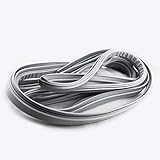
Overview: The U.S. Cooler Brand Standard Magnetic Door Gasket serves a highly specific market: owners of U.S. Cooler walk-in coolers and freezers. This three-sided gasket measures 35 3/4" x 76 1/4" and features a single dart profile, making it useless for standard residential refrigerators but essential for its intended commercial application. The product addresses the critical need for maintaining temperature integrity in high-use commercial environments.
What Makes It Stand Out: Exclusivity defines this product. Unlike universal options, it’s engineered specifically for U.S. Cooler equipment, ensuring proper fit and function in demanding commercial environments. The included hardware kit and emphasis on dart profile matching demonstrate attention to commercial installation requirements and professional standards.
Value for Money: At $52.00, this gasket offers reasonable pricing for commercial equipment maintenance. Energy savings in walk-in units are substantial, making timely replacement financially critical. The cost is modest compared to potential product loss from seal failure and increased operating expenses.
Strengths and Weaknesses: Strengths include perfect compatibility with U.S. Cooler units, commercial-grade vinyl durability, and included installation hardware. The massive weakness is absolute incompatibility with any other brand or residential units. Measurement verification is mandatory and non-negotiable for proper function.
Bottom Line: If you own a U.S. Cooler walk-in, this is your gasket—full stop. Verify measurements and dart profile meticulously before ordering. For residential customers, look elsewhere. Commercial operators should maintain inventory given the specificity and importance of proper sealing.
10. Joyfolk Refrigerator Freezer Door Gasket Seal Replacement, 21.06" x 34.25", Enhanced Magnetic Strip and High-Temp Welding, Compatible with W10164045, W10191103, W10443322, Wpw10714545

Overview: The Joyfolk Refrigerator Freezer Door Gasket targets specific Whirlpool models with precise dimensions of 21.06" x 34.25". This replacement part emphasizes enhanced sealing technology through an 815 GS thickened magnetic strip and high-temperature welding at 1600°F, addressing common issues like frost buildup, temperature inconsistency, and excessive condensation.
What Makes It Stand Out: Technical specifications differentiate this gasket. The thickened magnetic strip promises superior closure force compared to standard replacements, while the extreme-temperature welding process suggests exceptional seam durability. The formulated rubber maintains flexibility in freezer environments, ensuring long-term seal integrity and quick shape recovery after door closure.
Value for Money: At $48.99, this gasket competes directly with custom options while offering OEM-style precision for specific models. The enhanced magnetic properties and robust construction justify a slight premium over basic universal kits, potentially reducing future replacement frequency and improving energy efficiency.
Strengths and Weaknesses: Strengths include precise fitment for compatible Whirlpool models, enhanced magnetic sealing, durable welded construction, and targeted problem-solving design. Weaknesses involve limited cross-brand compatibility and reliance on model number verification—purchasing errors risk complete unusability. The specialized nature means no flexibility for similar-sized doors.
Bottom Line: An excellent upgrade for compatible Whirlpool refrigerators. Verify your model number against the listed compatibilities before purchasing. The enhanced magnetic seal and welded construction offer tangible improvements over standard replacements, making it worth the modest premium for affected appliance owners seeking long-term reliability.
What Are Magnetic Door Gaskets and Why Do They Matter for RV Refrigerators?
Magnetic door gaskets are flexible, rubber-like seals embedded with magnetized strips that create an airtight closure between your refrigerator door and cabinet. Unlike residential fridges that sit stationary, RV refrigerators face unique challenges: constant vibration from travel, rapid temperature changes between climates, and frequent door cycling in compact living spaces. The magnetic component ensures the door self-seals with consistent pressure along the entire frame, compensating for minor misalignments that occur as your rig settles and shifts.
In an RV context, these gaskets are mission-critical. A proper seal maintains the precise temperature differential needed for efficient absorption or compressor cooling. When the seal fails, warm ambient air infiltrates the compartment, forcing the cooling unit to work exponentially harder. This is especially problematic in RVs where power is a precious commodity—whether you’re boondocking on battery power or paying for shore electricity. The difference between a pristine gasket and a failing one can be 20-30% higher energy consumption, which translates directly to shorter battery life or inflated campground electric bills.
How Magnetic Door Gaskets Work: The Science Behind the Seal
The magic lies in the embedded ferrite magnet material, typically running through the gasket’s core or positioned along its sealing face. When you close the refrigerator door, these magnets attract to the metal door frame, creating uniform compression across the seal’s entire perimeter. This compression eliminates air gaps that would otherwise allow thermal exchange. The gasket itself acts as both a thermal insulator and a moisture barrier, preventing the warm, humid outside air from reaching the cold interior surfaces where it would condense and freeze.
The design incorporates a hollow compression tube that flattens against the frame, increasing the surface area of contact while maintaining flexibility. This is crucial in RVs because the chassis flexes during travel, and the door alignment can shift slightly. The magnetic pull strength—measured in gauss or pull force—must be strong enough to overcome these micro-movements but not so powerful that opening the door becomes difficult. Quality RV refrigerator gaskets strike this balance with pull strengths typically between 2-4 pounds per linear inch, ensuring a secure seal that even bumpy roads can’t compromise.
Signs Your RV Refrigerator Gasket Is Failing
Visual inspection reveals the first clues. Look for cracks, tears, or brittle sections where the rubber has lost its pliability. Pay special attention to corners and the hinge side, which experience the most stress. A simple dollar-bill test works wonders: close the door on a bill at various points around the perimeter and attempt to pull it out. If it slides out with minimal resistance, the seal has lost its compression strength. You might also notice black mold spots or sticky residue—these indicate moisture infiltration and gasket degradation.
Performance symptoms tell the rest of the story. Excessive condensation inside the fridge, especially on the walls and shelves, suggests humid air is sneaking past the seal. Frost buildup in the freezer compartment that returns quickly after defrosting is another red flag. Listen for your refrigerator running constantly or cycling more frequently than usual. In absorption fridges, you might smell ammonia—a separate serious issue—but a failing gasket accelerates this by making the unit overwork. Perhaps most telling is food spoiling prematurely or ice cream achieving that disappointing soft-serve consistency despite the freezer being set to maximum cold.
The Hidden Costs of a Worn-Out Gasket in Your RV
Beyond the obvious food waste, a compromised gasket creates a cascade of expensive problems. Your refrigerator’s compressor or heating element will run up to 40% longer to maintain temperature, directly impacting power consumption. For boondockers relying on solar and battery banks, this can mean the difference between comfortable off-grid living and daily generator runs. The increased runtime also accelerates wear on mechanical components, potentially turning a $50 gasket issue into a $500 cooling unit repair.
Moisture infiltration creates its own havoc. That warm, humid air condenses on cold surfaces, dripping down to pool at the bottom of your fridge and potentially leaking onto your RV floor. Over time, this moisture can damage the refrigerator’s interior liner, rust metal components, and create a breeding ground for mold that affects air quality throughout your living space. In extreme cases, water can seep behind the fridge, compromising the seal between the appliance and your RV’s exterior wall—a leak that often goes unnoticed until significant water damage has occurred.
Types of Magnetic Door Gaskets: OEM vs. Universal vs. Custom
Original Equipment Manufacturer (OEM) gaskets are designed specifically for your refrigerator model—think Dometic or Norcold part numbers. They guarantee exact fit and performance but command premium prices and may have long lead times. These are your best bet for newer fridges still under warranty, as using non-OEM parts can void coverage. The magnetic placement and compression profile are engineered to match your door’s exact closing geometry.
Universal gaskets offer a budget-friendly alternative, coming in standard profiles and lengths that you trim to fit. While they work adequately for many RV owners, they require careful measurement and installation. The magnetic strength and rubber compound quality can vary significantly between manufacturers, and the profile shape might not match your original seal perfectly, potentially creating weak spots at corners. Custom gaskets, fabricated by specialty RV parts suppliers, split the difference—made to your exact measurements but often using superior materials and magnet strength compared to OEM, at a mid-range price point.
Key Features to Evaluate Before Buying
Magnetic pull strength should be your primary consideration. Look for gaskets specifying pull force ratings, ideally between 2.5 and 3.5 pounds per linear inch. This ensures a secure seal without door-opening difficulty. Temperature rating is equally critical—quality RV gaskets should remain flexible from -20°F to 120°F, handling both desert summers and winter storage without cracking.
Material composition determines longevity. EPDM (ethylene propylene diene monomer) rubber offers excellent UV resistance and flexibility but can be prone to compression set over time. Silicone blends provide superior temperature stability and resist permanent deformation better. Some premium gaskets incorporate antimicrobial additives to prevent mold growth—a worthwhile feature in the humid RV environment. Check for reinforced corners or internal wire skeletons that prevent stretching and maintain shape during installation and use.
How to Accurately Measure Your Refrigerator for the Perfect Gasket Fit
Precision matters more than you might think. Start by measuring the outside dimensions of the door opening—not the door itself—recording length and width to the nearest 1/16 inch. Next, examine the gasket profile: the cross-section shape. Take a photo with your phone, then use calipers to measure the width, thickness, and the diameter of the hollow compression tube. Most RV refrigerator gaskets use one of four standard profiles, but subtle differences affect sealing performance.
Don’t forget corner radius measurements. Place a carpenter’s square against each corner and measure the gap at the apex to determine if you have 90-degree square corners or radiused corners (common in newer models). Note the hinge side configuration—some gaskets have a special cutout or reduced magnet strength on the hinge side to prevent door binding. If replacing a partial section, cut a small piece of the old gasket to use as a profile template. Document the gasket orientation: which side faces the door frame and which faces the interior, as some profiles are asymmetrical.
Understanding Magnetic Pull Strength and Compression
Magnetic pull strength determines how tightly the gasket adheres to the frame, but compression—the distance the gasket flattens when the door closes—creates the actual seal. Ideal compression is 30-50% of the gasket’s resting thickness. Too little compression leaves air gaps; too much stresses the door hinges and can cause the gasket to fold over itself, creating leak channels.
The magnet’s placement within the gasket affects performance. Center-mounted magnets provide balanced pull but can be weaker. Edge-mounted magnets create stronger initial attraction but may wear faster. Some high-end gaskets use dual-magnet strips for redundant sealing. Test compression by placing modeling clay on the door frame, closing the door gently, then measuring the clay’s thickness. This reveals whether your door alignment distributes pressure evenly. Uneven compression often indicates hinge sag—a common RV issue that no gasket can compensate for long-term.
Material Science: Rubber, Silicone, and Composite Gaskets
Standard EPDM gaskets dominate the market due to their cost-effectiveness and good all-around performance. They resist ozone and UV degradation reasonably well, typically lasting 5-7 years in RV use. However, EPDM suffers from compression set—permanent deformation where the gasket stays flattened after prolonged door closure, losing its rebound ability. This is accelerated by the heat cycles in RVs parked in direct sunlight.
Silicone-infused gaskets represent the next tier, maintaining flexibility in extreme temperatures and resisting permanent set better than pure EPDM. They cost 30-50% more but can last 10+ years. Composite gaskets combine materials strategically—EPDM for the compression tube where flexibility is key, silicone for the outer skin where UV exposure occurs, and embedded fabric reinforcement to prevent stretching. Some premium options feature closed-cell foam cores that provide insulation value beyond just sealing, reducing thermal bridging at the door perimeter. For humid climates, consider gaskets with built-in fungicides; for desert dwellers, prioritize UV stabilizers.
DIY Installation: Tools, Tips, and Techniques
Replacing a gasket yourself saves $150-300 in labor costs and isn’t overly complex with proper preparation. You’ll need a #2 Phillips screwdriver, a 5-in-1 painter’s tool or plastic putty knife, a hair dryer or heat gun, petroleum jelly, and potentially a hex key set for door hinge adjustments. Start by unplugging the refrigerator and emptying the door shelves to reduce weight. Remove the old gasket by loosening the retaining screws hidden beneath the gasket flap—don’t fully remove them, just loosen enough to extract the old seal.
The secret to a successful DIY install is pre-shaping the new gasket. Lay it flat in warm sunlight or use a hair dryer to make it pliable, then form it to match your door’s shape. Start installation at the top center, working outward to the corners. Leave screws loose until the entire gasket is positioned, then tighten in a star pattern to ensure even pressure. Use petroleum jelly sparingly on the compression tube to help the door close smoothly during the first few days. After installation, close the door and check for gaps using a flashlight—place it inside the fridge, close the door, and look for light leakage in a dark room.
Professional Installation: When to Call the Experts
While DIY works for most gasket replacements, certain scenarios warrant professional service. If your refrigerator is built into a slide-out or enclosed cabinet with limited access, technicians have specialized tools and experience to remove the appliance partially without damaging surrounding cabinetry. Warranty considerations are crucial—many manufacturers require certified technician installation to maintain coverage, especially on newer units under three years old.
Professional installation becomes essential when door realignment is needed. If your door has sagged or the hinges are worn, simply replacing the gasket masks the underlying problem. Technicians can adjust hinge cams, replace worn pins, and ensure the door sits perfectly square in the opening. They also have access to commercial-grade gasket adhesives and can properly treat the door frame surface to ensure maximum adhesion. The cost—typically $200-400 including labor—is worthwhile if it prevents warranty voidance or addresses complex alignment issues that would cause premature gasket failure.
Seasonal Care and Maintenance Tips for Longevity
Your RV gasket maintenance schedule should shift with the seasons. In summer, inspect monthly for heat-induced cracking and clean weekly with a baking soda solution to prevent mold growth in high humidity. Apply a thin layer of 303 Aerospace Protectant to the outer surface to block UV rays when parked in direct sun. During winter storage, prop the refrigerator doors open to prevent gasket compression set, and place a silica gel packet in the door frame to absorb moisture that could freeze and damage the seal.
Spring commissioning deserves special attention after winter layup. Check for rodent damage—mice love to nest in the warm, protected gasket crevices. Test magnetic strength by seeing if the door self-closes from a 6-inch open position; if not, the magnets may have weakened. In fall, before temperatures drop, ensure the gasket remains flexible in cold weather by flexing it manually and checking for stiffness. A gasket that feels rigid at 50°F will likely crack at 20°F. Consider removing and storing the gasket indoors if you’re winterizing in sub-zero climates for extended periods.
Troubleshooting Common Issues on the Road
Gasket problems don’t wait for convenient moments. If you notice condensation forming mid-trip, immediately check for debris lodged in the seal—a crumb or sticker can break the seal entirely. Carry a small tube of food-grade silicone lubricant to treat sticky spots that prevent proper closure. For sagging doors causing bottom seal gaps, a temporary fix involves placing a small wooden shim under the door’s outer corner to restore alignment until you can address the hinges.
Magnetic strength loss can sometimes be reversed—temporarily—by running a strong neodymium magnet along the gasket’s magnetic strip in one direction several times. This re-aligns the magnetic domains and can restore some pull force. If a small tear develops, clean the area with alcohol and apply a patch of waterproof vinyl tape on both sides as a short-term solution. For corner leaks, try warming the gasket with a hair dryer and molding it more tightly to the frame. These roadside fixes buy you time but aren’t permanent solutions; plan for replacement at your next extended stop.
Repair Techniques for Minor Gasket Damage
Not every gasket issue requires full replacement. Small cracks or splits under two inches can be repaired with silicone adhesive specifically formulated for refrigerator gaskets. Clean the damaged area thoroughly with rubbing alcohol, apply a thin layer of adhesive, and clamp the edges together for 24 hours. For surface crazing—tiny cracks that haven’t penetrated through—apply a gasket conditioner containing plasticizers that restore flexibility to the rubber compound.
Compression set can sometimes be reversed by removing the gasket and soaking it in hot (not boiling) water for 30 minutes, then stretching it back to shape and allowing it to cool while holding the corrected form. If the magnetic strip has partially detached from its channel, use weatherstrip adhesive to reseat it, ensuring it sits flush without bulging. However, these repairs are temporary measures. Gaskets are wear items, and once the material begins degrading, patches and treatments only delay the inevitable replacement by a few months at best.
Performance Upgrades and Enhancements
Standard gaskets seal adequately, but upgrades exist for demanding situations. High-performance gaskets with rare-earth magnet strips provide 50% stronger pull force, ideal for off-road RVs experiencing extreme vibration. These are overkill for most users but invaluable for expedition vehicles. Thermal-break gaskets incorporate a thin layer of closed-cell foam between the magnetic strip and compression tube, reducing heat transfer through the seal itself—a feature that improves efficiency by 5-8% in extreme climates.
For humid environments, consider gaskets with integrated drainage channels that direct condensation away from the seal interface, preventing mold and ice formation. Some aftermarket suppliers offer double-lip designs that create two independent sealing surfaces, providing redundancy if one section fails. If you’re full-timing in hot climates, look for gaskets rated for continuous use above 100°F—standard gaskets may soften and lose compression in sustained heat. Retrofitting a heater wire along the gasket’s interior surface, similar to residential frost-free freezers, can prevent condensation freeze-up in humid, cold weather camping.
Frequently Asked Questions
How often should I replace my RV refrigerator door gasket?
With typical use, expect 5-7 years from a quality EPDM gasket and 10+ years from silicone-infused models. However, inspect annually after year three. Full-time RVers in hot climates may need replacement every 3-4 years due to accelerated UV and heat degradation. The dollar-bill test is the ultimate judge—if it fails at multiple points, replacement is due regardless of age.
Can I use a residential refrigerator gasket on my RV fridge?
Generally, no. Residential gaskets lack the vibration resistance and temperature range specifications required for mobile use. They often use weaker magnets that can’t handle road shock, and the rubber compounds aren’t formulated for the extreme temperature swings RVs experience. Stick with gaskets specifically marketed for RV or marine applications.
Why does my new gasket feel stiff and not seal properly?
New gaskets ship compressed and cold, causing temporary stiffness. Lay it in warm sunlight or use a hair dryer on low heat to soften it before installation. After mounting, leave the door closed for 24 hours to allow the gasket to conform to your door’s specific shape. It may take 1-2 weeks of use to achieve optimal flexibility and sealing.
Will a stronger magnetic gasket damage my refrigerator door?
Excessive magnetic pull (over 4 pounds per linear inch) can stress hinges and cause the door to not close fully if the hinge cams are worn. It can also make opening the door difficult, especially for children or adults with limited hand strength. Stick to the manufacturer’s recommended pull strength unless you have a specific vibration-related issue requiring extra holding power.
How do I clean my magnetic door gasket without damaging it?
Use a solution of one tablespoon baking soda in one quart of warm water. Apply with a soft cloth, gently scrubbing the crevices with an old toothbrush. Avoid harsh chemicals like bleach or ammonia, which degrade rubber compounds. Rinse with clean water and dry thoroughly. Monthly cleaning prevents mold and maintains flexibility.
Can I replace just one section of my gasket, or must I do the entire door?
While you can replace sections, it’s not recommended. Gaskets age uniformly, and a partial replacement creates weak points where old and new sections meet. The different compression characteristics cause sealing inconsistencies. Given the relatively low cost of a complete gasket versus the hassle of doing the job twice, full replacement is the wise choice.
What causes the black mold on my refrigerator gasket, and is it dangerous?
The mold thrives on the moisture and food particles that accumulate in gasket crevices. While generally not the toxic black mold (Stachybotrys) that grows in water-damaged walls, it can still cause allergic reactions and indicates a compromised seal. Clean it promptly with a vinegar solution, and if it returns quickly, replace the gasket as the rubber has become porous.
How does altitude affect my refrigerator gasket performance?
At elevations above 5,000 feet, reduced atmospheric pressure can cause the hollow compression tube in gaskets to expand slightly, potentially reducing seal effectiveness. This is more noticeable in absorption refrigerators. If you camp regularly at high altitude, consider a solid-core gasket or one with internal reinforcement to prevent this expansion.
Should I lubricate my refrigerator gasket?
Yes, but sparingly and with the right product. Use pure petroleum jelly or a food-grade silicone lubricant applied thinly to the compression tube every six months. This prevents sticking and tearing. Avoid vegetable oils, which turn rancid, and never use petroleum-based products containing solvents that degrade rubber.
Can a faulty gasket cause my RV refrigerator to stop cooling entirely?
Indirectly, yes. While a bad gasket won’t cause mechanical failure, the constant infiltration of warm air can overload the cooling system, causing it to run continuously without ever reaching set temperature. This can trip thermal protection devices or cause the unit to enter a fault mode. Always rule out gasket issues before assuming a cooling unit failure—it could be a $50 fix rather than a $500 replacement.