Imagine opening your refrigerator from the grocery store to check if you’re out of milk, or receiving a notification that your freezer door has been ajar for 10 minutes while you’re at work. Welcome to the world of Wi-Fi enabled counter-depth refrigerators—where sleek design meets intelligent functionality. These appliances have transformed from simple food storage units into command centers for kitchen management, seamlessly blending into your cabinetry while connecting to your entire smart home ecosystem.
As smart home technology evolves beyond thermostats and doorbells, the kitchen has become the next frontier for connectivity. Counter-depth refrigerators offer that built-in look without the built-in price tag, and when you add Wi-Fi capabilities, you’re not just buying an appliance—you’re investing in a food management system that learns your habits, reduces waste, and simplifies daily routines. But with great connectivity comes great complexity. This comprehensive guide will walk you through everything you need to know before making this significant investment, from understanding core technologies to navigating privacy concerns and ensuring seamless integration with your existing smart home setup.
Top 10 Wi-Fi Enabled Counter-Depth Refrigerators for Smart Homes
Detailed Product Reviews
1. 23 cu. ft. Smart wi-fi Enabled InstaView™ Door-in-Door® Counter-Depth Refrigerator with Craft Ice™ Maker
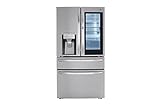
Overview: The LG LRMVC2306S is a premium 23 cu. ft. counter-depth French door refrigerator that combines luxury features with smart functionality. Its 4-door configuration includes the signature InstaView Door-in-Door panel that illuminates with two knocks, letting you peek inside without opening the main compartment. The integrated Craft Ice maker produces slow-melting spherical ice, elevating your home beverage experience.
What Makes It Stand Out: The spherical Craft Ice maker is genuinely distinctive, creating perfect 2-inch ice spheres ideal for cocktails and premium drinks. The InstaView technology isn’t just a gimmick—it actually reduces cold air loss by letting you check contents quickly. Wi-Fi connectivity through LG’s ThinQ app allows remote temperature control and diagnostics, while the counter-depth design ensures seamless kitchen integration.
Value for Money: At $3,578, this sits in the high-end segment but delivers features you won’t find in standard refrigerators. The combination of Craft Ice, InstaView, and smart capabilities justifies the premium over basic counter-depth models costing $2,000 less. Comparable luxury brands charge $4,000+ for similar features.
Strengths and Weaknesses: Pros: Innovative spherical ice production; Door-in-Door reduces energy waste; Sleek counter-depth integration; Smart home compatibility; 4-door organization Cons: Smaller capacity than standard-depth; Premium price point; Craft Ice production is slower than regular ice; Limited color options
Bottom Line: For luxury kitchen enthusiasts who entertain frequently, this LG model delivers exceptional value. The Craft Ice and InstaView features are genuinely useful innovations that elevate daily life, making it worth the investment over conventional refrigerators.
2. 26 Cu. Ft. Counter-Depth Smart French Door Refrigerator with Dual Ice Maker and Wi-Fi Connectivity – PrintProof Stainless Steel

Overview: This 26 cu. ft. counter-depth French door refrigerator offers substantial storage in a built-in look. The dual ice maker system includes both regular cubed ice and Craft Ice, while InstaView technology lets you see inside without opening the door. PrintProof stainless steel resists fingerprints and smudges, maintaining a pristine appearance.
What Makes It Stand Out: The larger 26 cu. ft. capacity is a major advantage over typical 23 cu. ft. counter-depth models, providing nearly 15% more storage space. The dual ice maker configuration ensures you never run out of ice, producing both standard cubes and slow-melting Craft Ice spheres simultaneously. PrintProof finish eliminates constant cleaning, a practical benefit busy families appreciate.
Value for Money: Priced at $3,099, this model offers compelling value. You’re getting premium features—InstaView, dual ice makers, Craft Ice, and smart connectivity—at a price point that undercuts many competitors. The extra capacity alone justifies the cost difference over smaller counter-depth units. It’s a sweet spot between luxury and practicality.
Strengths and Weaknesses: Pros: Generous 26 cu. ft. capacity; Dual ice makers with Craft Ice; Fingerprint-resistant finish; InstaView convenience; Wi-Fi enabled Cons: Still expensive for budget-conscious buyers; Counter-depth limits freezer space; Smart features may be underutilized by some; Installation requires precise measurements
Bottom Line: This refrigerator hits the sweet spot for families wanting luxury features without the highest price tag. The combination of capacity, dual ice makers, and smart features makes it a smart investment for modern kitchens.
3. Cafe CWE23SP4MW2 23.1 cu. ft. Smart French Door Refrigerator in Matte White, Counter Depth and Fingerprint Resistant

Overview: The Cafe CWE23SP4MW2 brings designer aesthetics to the smart refrigerator market with its distinctive Matte White finish. At 23.1 cu. ft., this counter-depth French door model prioritizes style alongside functionality. The internal water dispenser maintains clean exterior lines, while WiFi connectivity enables remote management through your smart device.
What Makes It Stand Out: The Matte White finish from Cafe’s Matte Collection is genuinely distinctive in a sea of stainless steel appliances. This design-forward approach extends to the internal water dispenser, which preserves the sleek exterior aesthetic. Cafe’s emphasis on personalization allows this refrigerator to serve as a kitchen statement piece rather than just an appliance.
Value for Money: At $3,099, you’re paying a premium for design and brand positioning. The features themselves—internal dispenser, single icemaker, WiFi—are available in less expensive models. However, the unique finish and designer pedigree justify the cost for style-conscious buyers. Comparable design-forward brands command even higher prices.
Strengths and Weaknesses: Pros: Stunning Matte White finish; Counter-depth built-in look; Internal dispenser keeps exterior clean; Smart WiFi connectivity; Fingerprint-resistant surface Cons: Single ice maker (no Craft Ice); Premium price for aesthetics; Matte finish may not suit all kitchen styles; Smaller capacity than some competitors; Cafe brand less proven than LG
Bottom Line: For homeowners prioritizing design over cutting-edge ice technology, this Cafe model excels. It’s perfect for modern, minimalist kitchens where appliance appearance is as important as performance.
4. GE Café CWE23SP2MS1 23 Cu. Ft. Stainless Counter-Depth French Door Refrigerator

Overview: The GE Cafe CWE23SP2MS1 offers a sophisticated stainless steel option in the premium counter-depth category. This 23 cu. ft. French door refrigerator balances practical features with luxury touches. The full-width electronic temperature-controlled drawer with colored LED lighting provides specialized storage for delicate ingredients.
What Makes It Stand Out: The temperature-controlled drawer with colored LED lighting is a standout feature for culinary enthusiasts who need precise storage conditions for meats, cheeses, or produce. Unlike external dispensers that disrupt the sleek lines, the internal water dispenser maintains a clean facade. The Cafe brand’s reputation for reliability adds confidence to this premium purchase.
Value for Money: At $2,999, this is the most affordable option in this comparison while still delivering premium counter-depth design and smart features. You’re getting WiFi connectivity, a factory-installed icemaker, and specialized storage drawers for less than competitors charge. The GE name provides peace of mind regarding long-term durability and service support.
Strengths and Weaknesses: Pros: Excellent price for premium features; Temperature-controlled drawer with LED lighting; Reliable GE engineering; Internal water dispenser; WiFi connectivity Cons: No InstaView or Door-in-Door; Single ice maker (no Craft Ice); Standard stainless may show fingerprints; 23 cu. ft. capacity smaller than some alternatives; Basic smart features
Bottom Line: This Cafe model is the value champion for buyers wanting premium counter-depth design without paying for gimmicky features. The temperature-controlled drawer adds genuine utility for serious home cooks.
5. 23 cu. ft. Smart wi-fi Enabled InstaView™ Door-in-Door® Counter-Depth Refrigerator with Craft Ice™ Maker

Overview: This LG model represents the pinnacle of the InstaView lineup with dual ice makers and advanced Smart Cooling technology. The 23 cu. ft. counter-depth French door configuration includes the signature Door-in-Door feature and Wi-Fi connectivity. Positioned as a premium upgrade, it focuses on ice production capabilities and precise temperature management.
What Makes It Stand Out: The dual ice maker system ensures abundant ice production for large households and frequent entertainers. Smart Cooling technology uses multiple sensors and vents to maintain optimal humidity and temperature levels throughout the compartments. This advanced climate control keeps produce fresher longer and prevents freezer burn better than conventional systems.
Value for Money: At $4,089, this is the most expensive model reviewed. The premium over similar models buys you dual ice makers and enhanced cooling technology. For most users, this extra cost is hard to justify unless you specifically need maximum ice production. However, it’s still competitive with ultra-luxury brands charging $5,000+.
Strengths and Weaknesses: Pros: Dual ice makers for abundant supply; Advanced Smart Cooling system; InstaView Door-in-Door convenience; Premium build quality; Comprehensive smart features Cons: Highest price in category; Diminishing returns over single ice maker models; 23 cu. ft. capacity lags behind some competitors; Complex features may overwhelm simple needs
Bottom Line: This is the choice for ice enthusiasts and large families who demand maximum performance. The dual ice makers and superior cooling justify the premium if you’ll use these capabilities regularly. Otherwise, the single ice maker version offers better value.
6. 24 cu. ft. Smart wi-fi Enabled InstaView™ Door-in-Door® Counter-Depth Refrigerator with Craft Ice™ Maker
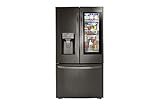
Overview: This premium LG refrigerator merges smart technology with innovative design for discerning homeowners. The 24 cubic foot counter-depth unit fits flush with cabinetry, while InstaView™ lets you knock twice to see inside without opening the door. Priced at $3,699, it targets tech-savvy consumers who prioritize convenience, energy efficiency, and entertaining prowess in their kitchen centerpiece.
What Makes It Stand Out: The InstaView™ Door-in-Door® panel illuminates contents with two knocks, minimizing cold air loss and temperature fluctuations. The Craft Ice™ maker produces slow-melting spherical ice perfect for cocktails—a luxury typically requiring separate equipment. Dual ice makers ensure ample supply, while Wi-Fi connectivity enables remote monitoring and diagnostics. An adjustable Door-in-Door bin provides flexible storage for frequently accessed items, reducing main compartment traffic.
Value for Money: At $3,699, this commands a premium over standard $1,500-$2,000 refrigerators, but delivers exclusive features. Comparable luxury brands cost more while offering less innovation. Energy savings from reduced door openings, plus the $300+ value of a separate craft ice maker, help justify the price. For frequent entertainers and smart home enthusiasts, the daily convenience and wow factor provide strong return on investment.
Strengths and Weaknesses: Strengths: Revolutionary InstaView reduces energy waste; Craft Ice elevates home entertaining; Dual ice makers prevent shortages; Counter-depth design offers seamless integration; Smart diagnostics enable proactive maintenance; Adjustable bin maximizes organization.
Weaknesses: High price limits accessibility; Complex features may increase repair costs; 24 cu. ft. capacity trails standard-depth models; Wi-Fi connectivity raises privacy concerns; Craft Ice production may be insufficient for heavy users.
Bottom Line: This refrigerator suits technology enthusiasts and frequent hosts seeking premium convenience. While expensive, the unique InstaView and Craft Ice features deliver tangible benefits that justify the cost for the right buyer. If you value innovation and entertaining capabilities over raw capacity, it’s an excellent choice. For budget-conscious shoppers or those preferring simpler appliances, traditional models offer better value.
What Exactly Is a Counter-Depth Refrigerator?
Counter-depth refrigerators are designed to align flush with your kitchen countertops and cabinets, typically extending only 24-30 inches deep excluding handles. Unlike standard-depth models that can protrude 6-8 inches beyond your counters, these units create a streamlined, built-in aesthetic without requiring custom cabinetry modifications. The trade-off? Slightly less interior capacity—usually 20-25 cubic feet compared to 25-30 cubic feet in standard models.
When you add Wi-Fi connectivity to this space-saving design, you’re getting the best of both worlds: sophisticated kitchen aesthetics and cutting-edge technology. The integration doesn’t compromise the counter-depth principle; manufacturers have cleverly embedded antennas and sensors without adding bulk, maintaining that coveted seamless look while opening up a universe of remote capabilities.
The Smart Revolution: Wi-Fi Connectivity Explained
Wi-Fi enabled refrigerators connect to your home network, allowing communication between the appliance and your smartphone, tablet, or other smart devices. This isn’t just about flashy features—it’s about creating a responsive kitchen environment that adapts to your lifestyle. The connectivity works through dedicated apps that serve as your remote control, monitoring station, and even shopping assistant.
How Wi-Fi Changes Your Kitchen Experience
Traditional refrigerators are passive appliances; smart models are active participants in your household. They can send you temperature alerts if the door is left open, notify you during power outages, and even help you track expiration dates. The real magic happens when you realize you’re no longer guessing about what’s inside that massive box in your kitchen. Remote access transforms how you plan meals, shop for groceries, and manage energy consumption.
Key Benefits of Wi-Fi Enabled Counter-Depth Refrigerators
Remote Monitoring and Control
The ability to adjust temperatures, switch modes, or activate features from anywhere provides peace of mind and convenience. Heading home from vacation? Switch from energy-saving vacation mode to normal operation before you arrive. Worried about that heatwave while you’re at work? Monitor internal temperatures in real-time and receive instant alerts if anything goes outside safe parameters.
Food Management and Inventory Tracking
Advanced models feature internal cameras that capture images of your fridge’s contents, accessible through the app while you’re shopping. Some systems use AI to recognize items and track expiration dates, sending reminders to use that sour cream before it spoils. This feature alone can reduce food waste by up to 30%, according to studies on smart kitchen technology adoption.
Energy Efficiency Optimization
Smart refrigerators learn your usage patterns and adjust cooling cycles accordingly. They can shift defrost cycles to off-peak hours when electricity rates are lower, automatically engage energy-saving modes during periods of low activity, and provide detailed energy consumption reports. This intelligent management can reduce operating costs by 10-15% annually compared to non-smart models.
Maintenance and Diagnostic Alerts
Forget mysterious breakdowns and costly emergency repairs. These appliances self-monitor components and can detect issues before they become catastrophic. You’ll receive notifications about filter replacements, unusual compressor activity, or door seal problems. Some manufacturers allow remote diagnostics, where service technicians can assess issues without a house call, saving time and money.
Essential Features to Look For
Display Technology and User Interface
The best smart refrigerators feature intuitive touchscreen displays that serve as family communication hubs, recipe browsers, and smart home control panels. Look for high-resolution screens with anti-fingerprint coatings and customizable widgets. The display should remain visible in various lighting conditions and respond accurately to touch, even with wet fingers.
Voice Assistant Compatibility
Seamless integration with Alexa, Google Assistant, or Siri transforms your refrigerator into a hands-free command center. You can add items to shopping lists, set timers, check the weather, or control other smart devices while your hands are covered in flour. Ensure the model supports natural language commands rather than rigid, specific phrasing.
Camera Systems and Internal Visibility
Not all fridge cameras are created equal. Seek systems with multiple wide-angle lenses that capture door bins, drawers, and shelves comprehensively. Night vision capabilities ensure visibility even when the kitchen is dark. The image quality should be crisp enough to read labels and expiration dates through the app.
Temperature and Humidity Zoning
Smart refrigerators excel at creating microclimates for different food types. Look for models with independent temperature and humidity controls for specific compartments—deli drawers with customized settings, produce crispers with adjustable humidity, and flex zones that can switch between fridge and freezer modes. Wi-Fi control lets you adjust these zones remotely based on what you’re storing.
Door-in-Door and Flexible Storage
While not exclusive to smart models, door-in-door designs with Wi-Fi integration can track how often you access frequently used items, optimizing cooling strategies. Flexible shelving systems that you can reconfigure through the app (with visual guidance) make organization intuitive rather than frustrating.
Smart Home Integration Deep Dive
Works with Alexa, Google Home, and Siri
Compatibility varies significantly between brands. Some refrigerators offer native integration, while others require third-party skills or apps. Test the integration depth before purchasing: can you ask about specific temperatures, or just turn ice makers on/off? The most advanced models allow complex routines like “When I say ‘I’m home,’ set the fridge to rapid cool mode and dispense 16 ounces of water.”
Integration with Smart Kitchen Ecosystems
Your refrigerator shouldn’t exist in isolation. The best models communicate with smart ovens (preheating when you select a recipe from the fridge display), smart dishwashers (adjusting cycles based on dinner plans), and even smart grocery delivery services. Look for Matter protocol support—the emerging standard that ensures cross-platform compatibility as your smart home evolves.
IFTTT and Advanced Automation
For power users, IFTTT (If This Then That) support opens endless possibilities. Create applets that flash your smart lights if the freezer door opens after midnight, log every door opening in a spreadsheet to track family snacking habits, or automatically order water filters when usage hits a certain threshold. This level of customization separates truly smart appliances from those with gimmicky features.
Installation and Space Planning
Measuring for Counter-Depth Fit
Precision matters more with counter-depth models than standard ones. Measure cabinet depth, accounting for door swing clearance, handle projection, and ventilation space. Remember that “counter-depth” is a range, not a standard—measure your actual counters, not industry averages. Allow at least 1 inch of space above the unit and ½ inch on sides for proper airflow.
Electrical and Network Requirements
These refrigerators require a dedicated 120-volt, 15-amp circuit—never plug into a shared outlet or power strip. For Wi-Fi stability, ensure strong signal strength in your kitchen; consider a mesh network or Wi-Fi extender if your router is far away. Some premium models include ethernet ports for wired connections, providing more reliable connectivity.
Ventilation Considerations
Smart refrigerators generate more heat from processors and displays. Proper ventilation prevents premature component failure. If installing in a tight enclosure, verify that vents aren’t obstructed and consider models with front-venting designs. In island installations, ensure adequate clearance for heat dissipation.
Energy Efficiency and Sustainability
Understanding Energy Star Ratings in Smart Fridges
Energy Star certification for smart refrigerators includes additional criteria beyond traditional models. Look for “Connected” Energy Star badges, which indicate the appliance meets strict efficiency standards even while maintaining constant network connectivity. These models use advanced compressors, improved insulation, and intelligent defrost systems that adapt to usage patterns.
How Wi-Fi Features Impact Power Consumption
The paradox of smart fridges: connectivity requires constant power, but intelligence reduces overall consumption. The Wi-Fi module itself uses minimal electricity—typically 2-5 watts. However, the real efficiency gains come from adaptive cooling, door-open alerts that prevent waste, and usage analytics that help you modify behavior. Most users see net energy savings despite the “always-on” nature of smart features.
Security and Privacy Considerations
Data Encryption and Network Safety
Your refrigerator knows what you eat, when you’re home, and your shopping habits—valuable data for hackers and marketers. Insist on models with end-to-end encryption for data transmission and local storage options rather than cloud-only solutions. Change default passwords immediately and create a separate guest network for your smart appliances, isolating them from computers and phones containing sensitive information.
Understanding Data Collection Practices
Read privacy policies carefully. Some manufacturers collect anonymized usage data for product improvement; others share information with third-party advertisers. Look for brands that offer transparent data controls, allowing you to opt out of non-essential data collection. The GDPR-compliant models provide the strongest privacy protections, even for non-European users.
Maintenance and Troubleshooting
Software Updates and Longevity
Smart appliances require regular firmware updates for security patches and feature improvements. Choose manufacturers with proven track records of supporting appliances for 7-10 years. Automatic updates are convenient but can introduce bugs; manual updates give you control but require diligence. Some brands allow you to schedule updates during low-usage hours to avoid disruption.
Common Wi-Fi Connectivity Issues
Kitchens present unique Wi-Fi challenges: metal appliances, water pipes, and interference from microwaves. If your fridge loses connection frequently, check for firmware updates, ensure your router uses 2.4GHz band (better range through appliance walls than 5GHz), and verify your network isn’t overloaded. Some models include signal strength indicators in their settings—use these during installation to find optimal placement.
Cost Analysis and Value Proposition
Price Ranges and What Affects Cost
Wi-Fi enabled counter-depth refrigerators typically range from $2,500 to $7,000, with smart features adding $300-800 to comparable non-smart models. Premium pricing correlates with camera quality, display size, voice integration sophistication, and brand reputation. Don’t pay extra for features you’ll never use—basic remote monitoring and alerts provide 80% of the value for most users.
Long-Term Value vs. Traditional Models
Calculate total cost of ownership: smart fridges often last longer due to predictive maintenance, save 10-15% on energy bills, and reduce food waste by hundreds of dollars annually. However, consider repair costs—smart components can be expensive to replace after warranty. Extended warranties covering electronics are often worthwhile for these appliances.
Future Trends in Smart Refrigeration
AI and Machine Learning Integration
Next-generation models will move beyond simple inventory tracking to predictive meal planning based on your calendar, dietary restrictions, and seasonal ingredients. Imagine a fridge that suggests recipes using items nearing expiration, pre-orders groceries based on consumption patterns, and adjusts temperatures based on the specific groceries you just loaded.
Emerging Technologies on the Horizon
Look for solid-state cooling technology (no compressors), UV-C sanitization chambers that extend produce life, and blockchain-based food traceability systems. Transparent OLED displays that turn door panels into screens are entering the market, allowing you to see inside without opening the door while displaying recipes or family photos when idle.
Frequently Asked Questions
Can I add Wi-Fi capabilities to my existing counter-depth refrigerator?
Unfortunately, no reliable aftermarket solutions exist that provide full smart functionality. While you can add smart plugs for basic on/off monitoring, features like internal cameras, temperature zoning control, and food inventory require integrated sensors and proprietary software. Upgrading to a factory-equipped smart model is the only way to access these capabilities.
Will my smart fridge still work if the Wi-Fi goes down?
Yes, absolutely. All cooling functions operate independently of internet connectivity. You’ll lose remote access and smart notifications, but the refrigerator continues maintaining temperatures, making ice, and performing all essential functions. Once Wi-Fi is restored, the appliance automatically reconnects and syncs any data collected during the outage.
How much data does a smart refrigerator use monthly?
Typical smart fridges use 50-200 MB per month—comparable to a few hours of music streaming. Most consumption comes from camera images uploaded to the cloud and firmware updates. If you have data caps, choose models with local storage options and schedule camera updates to manual rather than automatic.
Are smart refrigerators vulnerable to hacking?
Any internet-connected device carries some risk, but major manufacturers implement bank-level encryption and regular security patches. The biggest vulnerability is often the user’s home network. Protect yourself by using strong, unique passwords, enabling two-factor authentication where available, and keeping router firmware updated. No widespread hacking of smart refrigerators has been reported to date.
Do I need a special router for my smart fridge?
No special router is required, but a modern dual-band router with strong 2.4GHz coverage is recommended. The 2.4GHz band penetrates appliance walls better than 5GHz. If your kitchen has weak Wi-Fi, consider a mesh network system rather than a single router. Avoid connecting your fridge to public or unsecured networks.
How long do smart refrigerators typically last?
The mechanical components last 10-15 years, similar to traditional models. However, smart features may become obsolete sooner as app support and software updates eventually end. Most manufacturers provide 5-7 years of software support. Choose brands with strong reputations for long-term support and consider models where smart features are upgradeable modules rather than integrated circuits.
Can multiple family members access the fridge app?
Yes, most apps support multiple user profiles with customizable permissions. You can grant full control to adults and limited access (view-only, no settings changes) to children. Some systems even recognize who’s at the fridge through phone proximity and customize content accordingly—showing kids healthy snack options while displaying wine pairings for adults.
Will a smart refrigerator increase my home’s resale value?
While a smart fridge alone won’t dramatically boost home value, it contributes to a modern, tech-enabled kitchen aesthetic that appeals to buyers. In competitive markets, smart appliances can be a differentiating factor. However, technology evolves quickly, so consider it a lifestyle upgrade rather than a financial investment.
What happens if the manufacturer discontinues the app?
This is a legitimate concern. Some early smart appliance owners faced this issue. Mitigate risk by choosing established brands with large smart appliance ecosystems and positive track records for long-term support. Look for models that support multiple control methods (proprietary app, voice assistants, smart home platforms) so you’re not dependent on a single ecosystem.
Are the internal cameras really useful or just a gimmick?
For busy households, internal cameras prove genuinely useful, reducing unnecessary grocery purchases and preventing food waste. The novelty wears off for some users after the first few months, but those who integrate the habit of checking the fridge cam while shopping report significant convenience. The key is image quality and update frequency—blurrier, delayed cameras feel gimmicky; crisp, real-time views deliver real value.