As an Airbnb host in 2026, your kitchen appliances have become silent brand ambassadors for your property. The refrigerator, often the first appliance guests interact with, can make or break their initial impression. Counter-depth models have emerged as the gold standard for short-term rentals, offering that coveted built-in look without the built-in price tag. They create seamless sightlines in kitchen photography, maximize precious floor space, and signal to guests that you’ve invested in thoughtful design. But with evolving smart technology, stricter energy regulations, and increasingly discerning travelers, choosing the right counter-depth refrigerator requires more than measuring your cabinet cutout. This comprehensive guide dives deep into the features, specifications, and strategic considerations that separate a mediocre purchase from a guest-winning investment that’ll protect your bottom line for years.
Top 10 Counter-Depth Refrigerators for Airbnb Hosts
Detailed Product Reviews
1. KoolMore 30-Inch and 18.5 cu. ft. Counter Depth French Door Refrigerator with Three Doors and Deep Freezer in Stainless-Steel (KM-RERFDSS-18C)

Overview:
The KoolMore 30-inch French door refrigerator delivers premium styling in a counter-depth package. At 18.5 cubic feet, this three-door unit features a stainless-steel finish that integrates seamlessly into modern kitchens. The double-flow cooling system and digital temperature controls ensure consistent temperatures throughout, while humidity-controlled crispers keep produce fresh. With six door bins and adjustable glass shelving, it offers flexible storage despite its compact footprint.
What Makes It Stand Out:
The precision temperature control system sets this apart from competitors, using dual airflow to maintain optimal conditions for different food zones. The three-door configuration provides excellent organization with two separate freezer drawers, preventing cold air loss. The counter-depth design sits flush with cabinetry for a built-in look without the built-in price.
Value for Money:
At $1,389, this model positions itself in the mid-range category. While not the cheapest option, it offers features typically found in higher-end models like dedicated cooling zones and premium aesthetics. Comparable units from major brands often cost $200-400 more for similar specifications.
Strengths and Weaknesses:
Strengths include superior temperature management, sleek integrated design, and flexible storage options. The double freezer drawer system enhances organization and energy efficiency. Weaknesses are the moderate 18.5 cubic foot capacity, which may feel limited for large families, and the premium price point relative to some competitors offering more space.
Bottom Line:
Ideal for design-conscious buyers prioritizing performance over maximum capacity. Perfect for couples or small families wanting a high-end look and precise food preservation without the premium brand markup.
2. Midea 22.5 Cu. Ft. Counter-Depth 4-Door French Door Refrigerator

Overview:
The Midea 22.5 cubic foot French door refrigerator offers exceptional capacity in a counter-depth design. This four-door configuration provides flexible storage with dual freezer drawers and humidity-controlled crispers. Electronic temperature controls ensure easy operation, while LED interior lighting illuminates the spacious compartments. The modern design accommodates larger households without protruding into kitchen walkways.
What Makes It Stand Out:
The four-door layout is the headline feature, offering superior organization compared to traditional three-door models. The generous 22.5 cubic foot capacity rivals full-depth units while maintaining the sleek counter-depth profile. Dual freezer drawers allow better frozen food separation and reduce cold air loss when accessing items.
Value for Money:
Priced at $1,299, this refrigerator delivers outstanding space-per-dollar value. Competing four-door models from premium brands typically start above $1,800. The capacity alone justifies the cost for families needing ample storage without sacrificing kitchen aesthetics or paying luxury brand premiums.
Strengths and Weaknesses:
Major strengths include best-in-class capacity, intelligent four-door design, and competitive pricing. The electronic controls and humidity management provide reliable performance. Weaknesses include fewer advanced features like specialized cooling zones or smart connectivity. The interior materials feel more functional than luxurious, reflecting the value positioning.
Bottom Line:
An excellent choice for families seeking maximum storage capacity in a counter-depth footprint. The four-door design enhances daily convenience while the price point makes premium styling accessible. Best for practical buyers prioritizing space and function over luxury features.
3. Sharp SJB1255GS Bottom-Freezer Counter-Depth Refrigerator, 24 Inch, 11.5 Cubic Foot, Garage Ready

Overview:
The Sharp SJB1255GS bottom-freezer refrigerator specializes in compact efficiency at 24 inches wide and 11.5 cubic feet. Designed for space-constrained kitchens or as a secondary garage unit, this counter-depth model features vacation mode and a removable wine rack. Multi-air flow technology ensures even cooling throughout both compartments, while the fresh converter drawer adapts between chiller and crisper modes.
What Makes It Stand Out:
The vacation mode uniquely allows shutting down the refrigerator section while keeping the freezer operational, saving energy during travel. Its garage-ready certification ensures reliable performance in extreme temperatures. The slim 24-inch width fits where standard refrigerators cannot, making it ideal for apartments, condos, or basement bars.
Value for Money:
At $1,099, this niche product commands a premium price per cubic foot but delivers specialized functionality. For small-space dwellers, the alternative might be a cramped mini-fridge or costly custom built-in. The garage-ready capability adds value for those needing reliable secondary storage.
Strengths and Weaknesses:
Strengths include compact dimensions, versatile vacation mode, wine rack inclusion, and robust temperature management. The bottom-freezer design provides ergonomic access to fresh foods. Weaknesses are the limited 11.5 cubic foot capacity, which suits only 1-2 person households, and the high cost relative to size. Storage features are basic compared to larger units.
Bottom Line:
Perfect for specific scenarios: small apartments, office kitchens, or as a garage companion refrigerator. Not suitable as a primary family fridge but excels as a specialized secondary unit where space is at a premium.
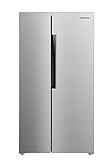
4. Hamilton Beach HBF1558 15.6 cu ft Counter Depth Full Size Refrigerator, Side Doors, Stainless
Overview:
The Hamilton Beach HBF1558 offers a no-frills side-by-side configuration with 15.6 cubic feet of storage. This counter-depth unit features gallon-size door bins and a digital display control panel mounted inside the door. The side-by-side design separates fresh and frozen foods vertically, while adjustable feet and interchangeable shelves provide customization. Stainless steel finish delivers a contemporary look at an accessible price point.
What Makes It Stand Out:
The side-by-side door design provides simultaneous access to both compartments without bending, appealing to users with mobility concerns. The oversized door bins maximize vertical storage capacity, accommodating large beverage containers efficiently. The digital display offers straightforward temperature management without complex features.
Value for Money:
At $1,097, this represents one of the most affordable full-size counter-depth options available. While lacking advanced features, it delivers core refrigeration functions reliably. Buyers save approximately $300-500 compared to French door models with similar capacity, making it ideal for budget-conscious renovations or rental properties.
Strengths and Weaknesses:
Strengths include competitive pricing, accessible side-by-side layout, generous door storage, and simple operation. The counter-depth profile saves kitchen space. Weaknesses include the smaller 15.6 cubic foot capacity, limited interior features, and basic temperature control compared to premium models. The side-by-side design restricts storage of wide items like platters.
Bottom Line:
A solid entry-level counter-depth refrigerator for buyers prioritizing budget and basic functionality. Best suited for small households, rental units, or as a secondary fridge where advanced features aren’t necessary. The side-by-side layout offers practical daily convenience.
5. Hamilton Beach HBF1662 French Door Full Size Counter Depth Refrigerator with Freezer Drawer, 16.6 cu ft, Stainless

Overview:
The Hamilton Beach HBF1662 French door refrigerator combines style and function in a 16.6 cubic foot counter-depth package. Featuring tall double doors with gallon bins and a spacious 4.9 cubic foot freezer drawer, this unit maximizes storage efficiency. Recessed handles create a sleek, professional aesthetic, while LED interior lighting ensures visibility. The stainless steel finish integrates well with modern kitchen designs.
What Makes It Stand Out:
The recessed handles deliver a streamlined, integrated appearance that rivals premium brands at a fraction of the cost. The generous freezer capacity relative to total volume (nearly 30%) provides excellent frozen food organization. Gallon door bins on both doors free up valuable shelf space for larger items, enhancing overall storage flexibility.
Value for Money:
Priced at $1,245, this model bridges the gap between budget and premium French door options. It offers aesthetic refinements like handle-free design and LED lighting typically found in $1,500+ units. While capacity is modest, the efficient layout and stylish details provide strong value for design-conscious buyers on moderate budgets.
Strengths and Weaknesses:
Strengths include attractive recessed handle design, bright LED lighting, well-proportioned freezer space, and effective door storage. The French door configuration saves clearance space in tight kitchens. Weaknesses include the 16.6 cubic foot capacity, which may prove limiting for families, and the absence of advanced features like humidity-controlled crispers or specialized cooling zones.
Bottom Line:
An excellent middle-ground option for buyers wanting French door styling without premium pricing. Ideal for couples or small families who value aesthetics and freezer organization. Delivers designer looks with practical functionality at a competitive price point.
6. KoolMore Counter Depth French Door Refrigerator with Ice Maker, 4 Door Stainless-Steel Fridge - 22.5 Cu.Ft
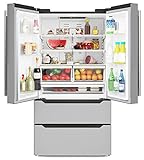
Overview: The KoolMore Counter Depth French Door Refrigerator delivers 22.5 cubic feet of premium storage in a sleek stainless-steel package. This four-door configuration features a built-in ice maker, humidity-controlled crispers, and adjustable glass shelving designed to align flush with kitchen cabinetry for a built-in look that elevates modern kitchens.
What Makes It Stand Out: The four-door design sets this apart from standard French door models, offering two separate freezer drawers for superior organization. The double-flow cooling system ensures consistent temperatures throughout, while digital controls provide precision management. Humidity-controlled crispers extend produce freshness significantly, and the six door bins maximize storage efficiency in a counter-depth footprint.
Value for Money: At $2,370.38, this KoolMore competes aggressively with mainstream brands offering similar features. You’re getting premium amenities—ice maker, advanced cooling, and customizable storage—typically found in refrigerators costing $500-800 more. The counter-depth design alone usually commands a premium, making this a financially savvy choice for style-conscious buyers.
Strengths and Weaknesses:
- Strengths: Spacious 22.5 cu ft capacity in counter-depth form; excellent organization with four doors; precise temperature management; humidity-controlled crispers; integrated ice maker; attractive stainless finish.
- Weaknesses: Lesser-known brand may raise reliability concerns; limited service network compared to established competitors; energy efficiency rating not specified; ice maker capacity not detailed.
Bottom Line: This KoolMore refrigerator is ideal for homeowners seeking premium features and contemporary styling without the premium brand tax. The four-door design and humidity controls offer genuine utility advantages. While brand recognition is modest, the feature set and competitive pricing make it a compelling option for modern kitchen renovations.
7. Electrolux EI33AR80WS 19 Cu. Ft. 33 inch Counter-Depth Stainless Steel Refrigerator

Overview: The Electrolux EI33AR80WS brings Swedish design principles to the counter-depth refrigerator market with 19 cubic feet of capacity. This 33-inch model emphasizes clean aesthetics and reliable performance over flashy features, targeting buyers who prioritize brand heritage and build quality above cutting-edge technology or maximum storage space.
What Makes It Stand Out: Electrolux’s reputation for durability and the practical door alarm feature differentiate this model. The adjustable glass shelves offer basic customization, while the counter-depth profile ensures kitchen integration. The brand’s European engineering heritage appeals to consumers seeking proven reliability rather than experimental features from newer market entrants.
Value for Money: At $2,786.23, this refrigerator commands a significant premium for the Electrolux badge. With limited features—no ice maker, no advanced cooling technology mentioned, and modest 19 cu ft capacity—it costs $400+ more than better-equipped competitors. You’re essentially paying for brand prestige and presumed longevity rather than functional advantages.
Strengths and Weaknesses:
- Strengths: Reputable brand with established service network; counter-depth design; door alarm prevents energy waste; likely higher build quality; resale value retention.
- Weaknesses: Extremely limited features for price; no ice maker; smaller capacity; lacks humidity controls; no smart features; poor feature-to-dollar ratio compared to alternatives.
Bottom Line: The Electrolux EI33AR80WS suits brand-loyal customers willing to pay premium prices for perceived reliability. However, most buyers will find better value elsewhere. Unless you specifically trust Electrolux’s engineering over all else, comparably priced models offer substantially more features and capacity for your investment.
8. HobbyField 21 Cu.Ft 4-Door French Door Refrigerator – Counter-Depth Stainless Steel Fridge with Freezer, Refresh Zone & Wine Cooler | Multi-Use for Kitchen, Bedroom, Office & Dorm

Overview: The HobbyField 21 Cu.Ft French Door Refrigerator redefines versatility with its innovative 3-in-1 design, combining a 14 cu ft refrigerator, 3 cu ft freezer, and dedicated 32-bottle wine cellar. This counter-depth stainless-steel unit targets wine enthusiasts and space-conscious homeowners seeking multifunctional appliances without sacrificing style or capacity.
What Makes It Stand Out: The integrated wine cabinet with independent temperature control (41°F–64.4°F) is the star feature, eliminating the need for a separate wine cooler. Customizable climate zones for each compartment, dual-flow cooling, and an inverter compressor deliver premium performance. The fingerprint-resistant finish and LED touchscreen controls add luxury touches rare at this price point.
Value for Money: At $1,636.65, this HobbyField dramatically undercuts competitors. Comparable refrigerators with wine storage typically exceed $2,500. You’re receiving three appliances in one: fridge, freezer, and wine cellar—saving both money and kitchen real estate. The feature set rivals premium brands costing twice as much, making this exceptional value.
Strengths and Weaknesses:
- Strengths: Outstanding 3-in-1 functionality; dedicated wine storage; customizable temperature zones; quiet inverter compressor; fingerprint-resistant steel; excellent price point; dual humidity-controlled crispers.
- Weaknesses: Unknown brand reliability; potentially limited warranty support; 3 cu ft freezer is smaller than standard; long-term durability unproven; service network may be limited.
Bottom Line: For wine lovers and apartment dwellers, this HobbyField is a game-changer. The integrated wine cellar and customizable zones offer genuine innovation at an unbeatable price. While brand recognition is low, the feature-to-value ratio is so compelling that it’s worth the calculated risk for those prioritizing functionality and budget.
9. 23 cu. ft. InstaView™ Door-in-Door® Counter-Depth Refrigerator

Overview: The 23 cu ft InstaView Door-in-Door Counter-Depth Refrigerator represents LG’s innovation flagship, featuring the signature knock-to-view glass panel that illuminates interior contents without opening the door. This premium appliance combines smart cooling technology with generous capacity in a sleek profile designed for discerning homeowners who value cutting-edge convenience and energy efficiency.
What Makes It Stand Out: The InstaView panel is genuinely innovative—reducing cold air loss by letting you preview contents. The Door-in-Door design provides quick access to frequently used items while minimizing temperature fluctuations. Smart Cooling technology maintains optimal conditions automatically, and the counter-depth build ensures seamless kitchen integration with a built-in aesthetic.
Value for Money: At $3,942.00, this is a substantial investment. You’re paying premium prices for advanced technology and brand reputation rather than raw capacity. While InstaView and smart features are impressive, the cost premium over similarly sized competitors ($1,500+) is significant. This purchase is justified for tech enthusiasts rather than value-focused shoppers.
Strengths and Weaknesses:
- Strengths: Innovative InstaView technology reduces energy waste; Door-in-Door convenience; large 23 cu ft capacity; smart cooling system; premium brand support; counter-depth design; likely excellent build quality.
- Weaknesses: Extremely high price point; features may not justify cost for practical buyers; complex technology increases repair potential; specific dimensions and interior details not provided.
Bottom Line: This refrigerator suits tech-savvy homeowners where budget is secondary to innovation. The InstaView feature genuinely improves efficiency and convenience. However, practical buyers seeking value should look elsewhere. If you appreciate cutting-edge appliances and can absorb the premium, this LG delivers a unique ownership experience.
10. Yeego Beverage Refrigerator Cooler - 24 inch 180 Cans Mini Fridge with Glass Door, 34-54 ℉ Under Counter Refrigerator Built-in for Wine Beer Soda for Bar Bedroom Office

Overview: The Yeego Beverage Refrigerator Cooler is a 24-inch undercounter unit designed for serious entertainers, accommodating 180 cans across 5.12 cubic feet. With a temperature range of 34-54°F, this stainless-steel and glass-door cooler fits seamlessly in home bars, offices, or kitchens, offering dedicated beverage storage that frees up main refrigerator space.
What Makes It Stand Out: The upgraded compressor cooling system delivers rapid, even chilling with low noise operation suitable for living spaces. The digital temperature control features a memory function that restores settings after power outages—a thoughtful touch. Double-pane tempered glass with UV protection preserves beverage quality, while the independent heat dissipation vent enables true built-in installation.
Value for Money: At $699.99, the Yeego positions itself competitively in the beverage cooler market. Comparable units from established brands like NewAir or Kalamera range $600-900 with similar features. The memory function and quality materials justify the mid-range pricing, though the non-reversible door and lack of lock slightly diminish value compared to some alternatives.
Strengths and Weaknesses:
- Strengths: Large 180-can capacity; wide temperature range; memory function after outages; low-noise compressor; true built-in capable; UV-protected glass; premium stainless steel door frame; three adjustable shelves.
- Weaknesses: Right-hinged door cannot be reversed; no door lock for security; requires 24-36 hour upright settling; brand recognition is limited; interior light details not specified.
Bottom Line: The Yeego is an excellent choice for home bar enthusiasts and office managers seeking reliable beverage storage. The memory function and built-in readiness are standout features. While the fixed door orientation may limit placement options, the overall performance and capacity make it a smart purchase for dedicated drink cooling needs.
Why Counter-Depth Refrigerators Are Perfect for Airbnb Properties
Counter-depth refrigerators align flush with standard cabinetry, creating a custom, high-end aesthetic that photographs beautifully for your listing. This streamlined profile eliminates the awkward gap between appliance and wall, making even compact kitchens feel intentionally designed rather than haphazardly assembled. For Airbnb properties, where every square foot counts and visual appeal drives bookings, this integration is invaluable. Guests subconsciously associate this built-in appearance with luxury hotels and premium vacation rentals, elevating their perception of your entire space before they even open the door.
The Visual Impact on Guest Experience
In the age of Instagram-worthy vacation rentals, your kitchen’s visual coherence directly impacts your nightly rate potential. Counter-depth units create clean sightlines that make spaces appear larger and more organized—two qualities that resonate powerfully in guest reviews. Unlike standard-depth models that jut into walkways, these refrigerators allow for smoother traffic flow, reducing the likelihood of bumped elbows or blocked pathways in galley kitchens. This attention to spatial design communicates professionalism and care, which guests reciprocate through higher cleanliness scores and positive comments about your property’s “thoughtful layout.”
Space Optimization in Compact Kitchens
Most Airbnb properties, especially urban apartments and cozy cabins, operate with kitchen footprints under 120 square feet. A counter-depth refrigerator typically saves 6-8 inches of floor depth compared to standard models, which translates to nearly 5 square feet of reclaimed space. This might mean the difference between a cramped cooking area and a functional kitchen where two guests can comfortably prepare meals simultaneously. The shallow depth also improves appliance accessibility, ensuring shorter guests or those with mobility limitations can reach items in the back without straining—an often-overlooked aspect of universal design that broadens your property’s appeal.
Key Features Airbnb Hosts Must Consider in 2026
The refrigerator landscape has evolved dramatically, with 2026 models offering capabilities that would have seemed futuristic just three years ago. For hosts, the priority feature set differs significantly from what a typical homeowner might prioritize. You’re not just cooling groceries—you’re managing inventory remotely, minimizing operational costs, and preventing guest complaints before they happen.
Energy Efficiency Ratings That Actually Matter
While the Energy Star label remains the baseline, 2026 brings more nuanced metrics that directly impact your profitability. Look for models with a Combined Energy Factor (CEF) above 2.5 and annual operating costs below $60. The new Tier 3 Advanced Energy designation, introduced in late 2025, indicates appliances that use 30% less energy than federal standards—a critical differentiator when you’re paying utility bills across multiple properties. Some utilities now offer rebates specifically for short-term rental operators who upgrade to these premium efficiency ratings, effectively reducing your payback period to under 18 months.
Smart Technology Integration for Remote Management
Modern counter-depth refrigerators now feature IoT sensors that alert you to temperature fluctuations, open doors, or power outages—preventing costly food spoilage and guest complaints. In 2026, the most valuable smart features for hosts include occupancy-based energy modes that automatically adjust cooling intensity when guests check out, and filter replacement tracking that syncs with your property management calendar. Avoid gimmicky features like interior cameras or recipe suggestions; instead, prioritize systems with robust API integration that connect directly to your existing smart home dashboard, allowing you to monitor all properties from a single interface.
Noise Levels: The Silent Guest Satisfaction Killer
A refrigerator that hums, clicks, or whirs can sabotage an otherwise perfect guest experience, particularly in open-plan studios where sleeping areas are steps from the kitchen. The industry standard for quiet operation is below 40 decibels, but for Airbnb properties, aim for 38 dB or lower—equivalent to a library’s ambient sound. Compressor technology has advanced significantly, with inverter linear compressors now delivering whisper-quiet performance while reducing energy consumption by up to 32% compared to conventional models. Pay special attention to noise ratings if your refrigerator will be near a bedroom wall; guest complaints about “loud appliances” appear in negative reviews with surprising frequency and are nearly impossible to address without replacement.
Understanding Capacity Needs for Short-Term Rentals
Choosing the right capacity is a delicate balance. Too small, and guests can’t store their vacation groceries comfortably. Too large, and you’re wasting energy cooling empty space during low-occupancy periods. The sweet spot varies dramatically based on your property type and target guest demographic.
Calculating Storage for Different Property Sizes
For studio and one-bedroom properties hosting 2-3 guests, 18-20 cubic feet provides optimal efficiency. Two-bedroom properties catering to families should target 22-24 cubic feet, while three-bedroom luxury rentals may justify 25+ cubic feet. However, these numbers shift based on your location: beach rentals where guests buy bulk beverages need more freezer space, while urban properties near restaurants require less overall capacity. Consider your average booking length, too—weekend stays mean minimal storage needs, but week-long reservations demand sufficient space for families stocking up at Costco.
Flexible Interior Configurations
The interior layout matters more than raw cubic footage for guest satisfaction. Look for models with adjustable split shelving that accommodates tall items like wine bottles or leftover pizza boxes—common pain points in guest reviews. Gallon-door bins are non-negotiable, as they free up shelf space and prevent spills. For maximum versatility, prioritize refrigerators with convertible zones that can switch between fridge and freezer mode based on guest needs. This adaptability is particularly valuable for properties that host both business travelers (who need more fresh food storage) and vacationing families (who require extra freezer space for ice cream and frozen meals).
Durability and Build Quality: Investing for the Long Haul
Your Airbnb refrigerator will endure more wear in one year than a residential unit experiences in five. Heavy doors slammed by tired travelers, mysterious spills left for days, and constant temperature fluctuations from frequent door openings demand commercial-grade durability disguised in residential styling.
Material Choices That Withstand Heavy Use
Stainless steel interiors, once a premium feature, have become essential for hosts in 2026. Unlike plastic liners that crack and absorb odors, stainless steel resists staining and maintains a hygienic appearance between turnovers. For exteriors, fingerprint-resistant finishes have evolved beyond simple coatings; new nano-ceramic treatments actually repel oils and are scratch-resistant enough to survive contact with luggage and beach gear. Door seals should be reinforced with multiple contact points—guests rarely close doors gently, and weak seals lead to energy waste and spoiled food complaints.
Warranty Considerations for Commercial-Like Use
Standard residential warranties explicitly exclude commercial use, and Airbnb operations often fall into this gray area. In 2026, several manufacturers now offer “host protection plans” that acknowledge short-term rental usage without voiding coverage. These plans typically cost 15-20% more but extend coverage to 5 years and include expedited service—a lifesaver when a broken fridge threatens your next check-in. Read the fine print carefully: some warranties require professional installation by certified technicians, while others mandate annual maintenance records. Document everything, as warranty claims on heavily-used units are scrutinized more intensely than residential claims.
Design Aesthetics That Appeal to Modern Travelers
Your refrigerator’s appearance communicates your property’s positioning in the market. A mismatched or dated appliance can undermine a beautifully renovated kitchen, while a thoughtfully selected model reinforces your brand promise.
Finish Options That Hide Fingerprints and Damage
Matte black stainless has surged in popularity for Airbnb properties, concealing fingerprints and minor scratches better than traditional stainless while photographing beautifully in natural light. For coastal properties, white glass finishes resist salt-air corrosion and reflect light to make spaces feel larger. Avoid trendy colors like sage green or navy; while they look stunning in design magazines, they limit your ability to refresh your kitchen’s look without replacing a major appliance. The most versatile choice remains classic stainless steel with a fingerprint-resistant coating, appealing to the broadest guest demographic.
Handle Styles and Safety Considerations
Protruding handles create catch points for clothing and luggage, while integrated pocket handles can confuse guests unfamiliar with your specific model. The 2026 compromise is the “minimalist bar handle”—a slim profile that extends just 1.5 inches but offers intuitive operation. For family-friendly properties, consider models with rounded handle edges to prevent head injuries in tight spaces. Some advanced units now feature touch-to-open mechanisms that eliminate handles entirely, creating a sleek look and reducing cleaning time—a significant advantage when you’re turning over the property in under three hours.
Installation Requirements You Can’t Ignore
A counter-depth refrigerator is only as good as its installation. Poor placement can negate the space-saving benefits and create maintenance nightmares that disrupt your rental calendar.
Ventilation and Clearance Specifications
These units require precise clearances: typically 1 inch on top, 0.5 inches on sides, and 2 inches behind for proper airflow. In 2026, many models feature zero-clearance hinges that allow doors to open fully even when abutting cabinetry—a critical detail for tight installations. However, this doesn’t eliminate the need for rear ventilation space. Blocking airflow can cause compressors to overheat, reducing lifespan by up to 40% and creating emergency repair scenarios. If your kitchen lacks natural ventilation, consider models with front-venting systems, similar to built-in units, which offer more flexible placement.
Electrical and Plumbing Considerations
Most counter-depth refrigerators require a dedicated 15-amp circuit, but hosts should upgrade to 20-amp circuits to handle peak startup loads and prevent tripped breakers during guest stays. For units with ice makers and water dispensers, water line installation must include an accessible shut-off valve—preferably inside an adjacent cabinet rather than behind the fridge. This allows you to quickly address leaks without moving the appliance. In cold climates, insulate water lines to prevent freezing during vacant periods, and always install a water filtration system accessible for guest filter changes to avoid service calls.
Budgeting Strategy for Airbnb Appliances
The sticker price is just the beginning. A strategic budgeting approach considers depreciation, tax advantages, and the hidden costs of downtime.
Total Cost of Ownership Analysis
A $2,500 counter-depth refrigerator running 24/7 in a high-occupancy property costs approximately $180 annually in electricity, $75 in water filters, and $120 in preventative maintenance—adding nearly $1,500 over a five-year lifespan. Compare this to a $1,800 standard model that consumes 40% more energy and fails after three years due to heavy use. The “premium” option actually costs $200 less when factoring in early replacement. Additionally, calculate the revenue impact: a broken fridge can force a cancellation costing $200-500 per night, making reliability worth a significant upfront premium.
Tax Deductions and Depreciation Benefits
Under current tax code, Airbnb refrigerators qualify for Section 179 deduction, allowing you to write off the full purchase price in the acquisition year rather than depreciating over 7 years. For hosts in the 32% tax bracket, a $2,500 refrigerator effectively costs $1,700 after tax savings. Some states offer additional incentives for energy-efficient appliances in rental properties, with rebates up to $300. Consult a tax professional about splitting deductions: you might depreciate the base appliance while immediately expensing smart technology upgrades, maximizing your annual write-off.
Maintenance and Cleaning Protocols for High-Turnover
Your cleaning crew has 2-3 hours to reset the entire property. The refrigerator must be designed for rapid, thorough sanitization that meets hotel-level standards without requiring specialized training.
Daily Turnover Cleaning Checklists
Specify models with spill-proof glass shelves containing edges that trap liquids, preventing drips into crisper drawers below. Removable door bins that are dishwasher-safe reduce cleaning time by 60% compared to hand-washing. The interior should have minimal crevices where crumbs and spills hide; look for seamless liner construction. For the exterior, choose finishes compatible with quick-disinfectant wipes rather than requiring special stainless steel cleaners—your turnover team needs to work fast with universal supplies.
Preventative Maintenance Schedules
Set calendar reminders for quarterly coil cleaning, especially if your property is pet-friendly or near construction zones where dust accumulates rapidly. Smart refrigerators can now monitor compressor efficiency and alert you to declining performance before failure. Replace water filters every six months, regardless of usage indicators, as stagnant water during vacancies can breed bacteria. Keep a maintenance log with photos; this documentation proves proper care if warranty disputes arise and helps you track which brands truly withstand heavy rental use.
Common Mistakes Airbnb Hosts Make When Choosing Refrigerators
Even experienced hosts fall prey to decision-making traps that seem logical but prove costly in practice. Recognizing these pitfalls saves thousands over your hosting career.
Oversizing vs. Undersizing Pitfalls
Hosts often buy the largest refrigerator their space can fit, assuming bigger equals better. However, an oversized unit in a studio rental cycles inefficiently when empty, creating temperature inconsistencies that spoil guest food. Conversely, undersizing forces guests to cram items haphazardly, blocking air vents and causing warm spots. The mistake isn’t just about capacity—it’s about mismatching the appliance to your typical guest profile. A couple on a romantic getaway needs different storage than a family of five on a ski trip. Analyze your booking data: if 70% of your reservations are couples, optimize for their needs rather than occasional large groups.
Ignoring Guest Demographics
Your target guest should dictate features. Business travelers prioritize quiet operation and dedicated spaces for meal prep containers; families need robust freezers and ice makers; international guests may prefer convertible fridge-freezer zones for storing specialty items. A luxury downtown loft targeting corporate clients shouldn’t feature a basic top-freezer model, just as a family-friendly beach house needs more than a minimalist unit with tiny freezer capacity. Review your guest reviews for food-related complaints—they’re surprisingly revealing about refrigerator shortcomings.
Future-Proofing Your 2026 Purchase
Appliance technology evolves rapidly, and a refrigerator is a 7-10 year commitment. Making a forward-compatible choice protects your investment from obsolescence.
Emerging Technologies on the Horizon
By 2028, expect widespread adoption of AI-powered inventory management that alerts you when guests leave behind perishables and automatically adjusts temperatures based on contents. Some 2026 models already include upgradeable firmware, allowing you to add features without replacing hardware. Prioritize refrigerators with Matter protocol compatibility—the new universal smart home standard ensuring your appliance will communicate with future property management systems. Avoid proprietary smart platforms that may lose manufacturer support; instead, choose brands committed to at least 7 years of software updates.
Sustainability Trends in Appliance Manufacturing
Incoming regulations in several states will require refrigerators to use natural refrigerants (R-600a) instead of synthetic HFCs by 2027. Purchasing a compliant 2026 model ensures you won’t face retrofitting costs or disposal issues. Additionally, modular component design is becoming standard, allowing technicians to replace individual systems (like ice makers or compressors) rather than scrapping entire units—reducing your long-term repair costs and environmental impact. Hosts who market their properties as eco-friendly can command 12-15% higher rates, making sustainable appliance choices a direct revenue driver.
Frequently Asked Questions
1. How much more do counter-depth refrigerators cost compared to standard models, and is the premium worth it for Airbnb properties?
Expect to pay 20-30% more for a comparable counter-depth model, typically $300-$700 over standard depth. For Airbnb properties, this premium delivers ROI through improved guest satisfaction scores, higher-quality listing photos, and space savings that make small kitchens feel larger. Most hosts recoup the difference within 12-18 months through increased bookings and reduced guest complaints about kitchen functionality.
2. What’s the ideal refrigerator configuration: French door, side-by-side, or bottom freezer?
For Airbnb properties, French door models consistently receive the highest guest satisfaction ratings. They offer wide refrigerator shelves perfect for party platters and pizza boxes, while keeping the most-accessed items at eye level. Bottom freezers provide better organization than side-by-sides, which have narrow compartments that frustrate guests. However, if your property caters to elderly guests, consider a side-by-side to minimize bending.
3. How do smart refrigerators handle guest privacy concerns?
Most smart features operate without collecting personal data—temperature sensors and door alerts don’t infringe on privacy. However, disable any interior cameras or microphone features before guest arrival. Provide a simple disclosure in your house manual: “This refrigerator monitors temperature and energy use to ensure food safety and efficiency. No audio or video recording occurs.” This transparency prevents concerns while maintaining your operational benefits.
4. Should I choose a refrigerator with an ice and water dispenser for my Airbnb?
Dispensers increase guest satisfaction by 40% in family-oriented properties but create maintenance headaches in urban studios. They require water line installation, filter changes, and are the #1 source of service calls. If you opt for one, choose a model with a built-in water filter bypass for easy winterization and include clear instructions for guests to check the child lock feature, which is often accidentally activated.
5. How long should a counter-depth refrigerator last in a high-turnover Airbnb?
With proper maintenance, expect 5-7 years in active Airbnb service—roughly half the lifespan of residential use. High occupancy rates (70%+) accelerate wear on door seals, compressors, and ice makers. Budget for replacement at year 5 to avoid emergency failures. Keep the original purchase receipt and warranty; many manufacturers now offer “host-extended” warranties recognizing the commercial-like usage patterns.
6. What’s the best way to clean and sanitize between guests?
Remove all shelves and bins, then run them through a dishwasher on sanitize cycle if possible. Wipe the interior with a solution of 1 tablespoon bleach per gallon of water, focusing on door seals where mold grows. For stainless exteriors, use microfiber cloths with 70% isopropyl alcohol—it disinfects and prevents streaking faster than specialty cleaners. Complete the process in under 15 minutes by keeping a dedicated cleaning caddy stocked at each property.
7. Do I need a water filtration system if my refrigerator has a water dispenser?
Absolutely. Municipal water quality varies, and guests will blame your property for bad-tasting water. Install a multi-stage filter system that removes chlorine, sediment, and lead. Replace filters every six months maximum, even if the indicator suggests longer life. During vacancies, run the dispenser for 30 seconds before each guest arrival to flush stagnant water. This prevents that “first glass tastes bad” complaint that occasionally appears in reviews.
8. How do I prevent guests from damaging the refrigerator?
Start with a durable model—plastic interiors crack under heavy use. Include a simple “refrigerator guide” in your welcome book: “Please avoid placing hot items inside, ensure doors close completely, and don’t overload shelves.” Install door alarms that beep after 60 seconds open; guests often appreciate the reminder. For beach properties, provide a small cooler so sandy drinks don’t go straight into the fridge, scratching shelves.
9. Are there specific energy settings I should use for vacant periods?
Enable “vacation mode” or “eco mode” during unbooked periods, which maintains safe temperatures while reducing energy use by 15-20%. For extended vacancies (2+ weeks), empty the unit completely, clean thoroughly, leave doors propped open with a towel, and unplug. Smart refrigerators can automate this transition based on your booking calendar integration. Never turn off a refrigerator with food inside—even non-perishables absorb odors that linger for months.
10. What should I do if the refrigerator breaks during a guest’s stay?
Maintain a relationship with a 24/7 appliance repair service familiar with your property. For stays longer than 3 days, provide a backup mini-fridge stored on-site or offer a $50-75 credit for the inconvenience. Document everything with photos and save repair receipts; platforms like Airbnb may reimburse you under their Host Damage Protection if the failure wasn’t due to normal wear. Most importantly, communicate proactively—guests are remarkably understanding when hosts respond quickly and offer fair compensation.