When a customer approaches your seafood display, the first thing they notice isn’t the catch of the day—it’s the glistening bed of ice cradling those salmon fillets and jumbo shrimp. That pristine presentation isn’t accidental; it’s the result of a carefully selected flake ice maker working behind the scenes. Similarly, when someone orders a smoothie at your bar, they expect that perfect, spoonable consistency that only properly made flake ice can deliver. These seemingly small details directly impact your bottom line through customer satisfaction, product quality, and operational efficiency.
Choosing the right commercial flake ice maker is one of the most critical equipment decisions for seafood markets, restaurants, and smoothie bars. Yet with varying production capacities, cooling systems, and maintenance requirements, the selection process can feel overwhelming. This comprehensive guide cuts through the technical jargon to give you actionable insights on evaluating, installing, and maintaining the ideal flake ice machine for your specific business needs—ensuring you make an investment that pays dividends in product quality and customer experience for years to come.
Top 10 Flake Ice Makers for Seafood Displays
Detailed Product Reviews
1. Scotsman UF0915A-1 15-Inch Air-Cooled Flake Undercounter Ice Maker Machine with 36 lb. Storage Capacity, 96 lbs/Day, 115v, NSF

Overview: The Scotsman UF0915A-1 is a compact workhorse designed for tight commercial spaces that demand reliable flake ice production. Measuring just 15 inches wide, this undercounter unit delivers up to 96 pounds of soft, moldable flake ice daily while storing 36 pounds in its integrated bin. Perfect for small restaurants, bars, healthcare facilities, or seafood displays, it combines American craftsmanship with modern convenience. The front-breathing design eliminates side clearance requirements, offering installation flexibility that built-in units rarely achieve.
What Makes It Stand Out: The unit-specific QR code system revolutionizes maintenance by providing instant access to service manuals, cleaning guides, and warranty history via smartphone. Sealed, maintenance-free bearings significantly reduce service intervals, while the stainless steel evaporator and auger ensure durability in demanding environments. The ergonomic slide-back door provides easy access without swinging into crowded workspaces. Energy Star certification and R-134A refrigerant demonstrate environmental responsibility, and the three-year parts and labor warranty provides exceptional peace of mind.
Value for Money: At $3,523, this premium-priced unit justifies its cost through longevity and reduced maintenance expenses. Comparable undercounter flake ice makers typically lack the comprehensive warranty and QR-enabled service support. The made-in-USA construction quality translates to fewer breakdowns and longer service life, making it more economical over a 5-10 year period than cheaper imports requiring frequent repairs.
Strengths and Weaknesses: Strengths: Ultra-compact 15" footprint; front-breathing installation flexibility; maintenance-free bearings; excellent warranty coverage; QR code service access; Energy Star efficiency. Weaknesses: High initial investment; 36 lb storage fills quickly at maximum production; flake ice style isn’t suitable for all beverage applications; premium price may strain small startup budgets.
Bottom Line: The Scotsman UF0915A-1 is an excellent investment for operations prioritizing reliability and space efficiency. Its premium features and warranty make it ideal for businesses where downtime isn’t an option.
2. Modular Comercial Flake Ice Maker Machine by Scotsman

Overview: The Scotsman FS0522A-1 modular flake ice maker is built for high-volume commercial applications requiring substantial ice production. This powerhouse generates up to 450 pounds of flake ice daily at standard conditions (343 lbs AHRI certified at 90°/70°), making it suitable for large restaurants, healthcare facilities, and food processing operations. As a modular unit, it requires a separate storage bin, offering customizable capacity based on operational needs.
What Makes It Stand Out: The AutoAlert indicator lights provide at-a-glance operational status, simplifying monitoring for busy staff. The one-touch cleaning system dramatically reduces sanitation labor compared to manual cleaning protocols. A front-facing removable dust screen protects internal components while allowing easy maintenance access. The unit-specific QR code enables instant service documentation retrieval, minimizing troubleshooting time. Stainless steel construction throughout ensures corrosion resistance in humid kitchen environments.
Value for Money: Priced at $4,720, this unit delivers impressive production capacity per dollar spent. While requiring additional investment in a storage bin, its modular design prevents overspending on unnecessary storage. Competitors in this production class typically cost 20-30% more. The sealed bearings and simplified cleaning reduce long-term maintenance costs, improving total cost of ownership despite using less eco-friendly R-404A refrigerant.
Strengths and Weaknesses: Strengths: Exceptional 450 lb daily production; one-touch cleaning system; AutoAlert indicators; durable stainless steel finish; QR code service access; competitive pricing for capacity. Weaknesses: Requires separate ice bin (additional cost); R-404A refrigerant has higher global warming potential; larger physical footprint needs dedicated floor space; higher water/energy consumption than smaller units.
Bottom Line: For mid-to-large operations requiring consistent flake ice supply, this Scotsman modular unit offers outstanding production value. The smart maintenance features make it practical for high-demand environments despite needing a separate bin.
3. Scotsman UF2020A-1 20" Air-Cooled Flake Undercounter Ice Maker Machine with 57 lb. Storage Capacity, 216 lbs/Day, 115v, NSF

Overview: The Scotsman UF2020A-1 scales up the undercounter concept to serve busier operations without sacrificing space efficiency. At 20 inches wide, it produces an impressive 216 pounds of flake ice daily while storing 57 pounds—more than double the output of its 15-inch sibling. This makes it ideal for medium-volume restaurants, cocktail bars, and healthcare facilities that need substantial ice production without dedicating floor space to a modular head unit and separate bin.
What Makes It Stand Out: Despite the larger capacity, it maintains the same premium features: front-breathing design for zero side clearance, sealed maintenance-free bearings, and the innovative QR code system for instant service access. The stainless steel evaporator and auger ensure durability, while corrosion-resistant aluminum side panels reduce weight without compromising strength. Energy Star certification and R-134A refrigerant align with sustainability goals. The three-year parts and labor warranty remains industry-leading for undercounter units.
Value for Money: At $4,420, the price premium over smaller models reflects the substantial production increase. While 40% more expensive than the UF0915A-1, it delivers 125% more ice daily—excellent scalability value. For operations approaching 100+ covers daily, this prevents the need for a costlier modular system. The made-in-USA quality and comprehensive warranty justify the investment over cheaper high-capacity imports with shorter lifespans.
Strengths and Weaknesses: Strengths: Superior production-to-footprint ratio; 216 lb daily output in undercounter form; larger 57 lb storage reduces frequency of off-peak cycles; same premium warranty and service features as smaller model; Energy Star efficient. Weaknesses: Significant price jump from 15" model; still limited storage relative to production (fills in ~6 hours at max output); 20" width may not fit all existing cutouts; heavier unit requires sturdy installation.
Bottom Line: The UF2020A-1 hits the sweet spot for growing businesses needing serious flake ice production without kitchen remodeling. Its capacity and reliability make it a smart mid-range investment.
4. Hoshizaki F-801MAJ, 751 Lbs Ice/24Hr Flake Ice Machine

Overview: The Hoshizaki F-801MAJ represents the pinnacle of commercial flake ice production, delivering an extraordinary 751 pounds of ice per 24 hours. This modular unit is engineered for large-scale operations such as hospitals, seafood processors, and high-volume food service where ice is critical to operations. Built by Hoshizaki, a brand synonymous with commercial ice equipment excellence, this machine is designed for continuous duty in the most demanding environments. Its stainless steel construction ensures longevity in corrosive, high-humidity settings.
What Makes It Stand Out: The sheer production capacity sets this unit apart—nearly double many competitors in its class. Hoshizaki’s legendary build quality includes precision-engineered augers and evaporators that maintain consistent performance under constant load. The unit typically features Hoshizaki’s CleanCycle24® design (though not explicitly listed), flushing mineral deposits every 24 hours to maintain efficiency. Advanced diagnostics help technicians quickly resolve issues, minimizing costly downtime in critical applications.
Value for Money: At $6,855, this premium-priced unit delivers exceptional value for operations requiring maximum output. Cost-per-pound-of-ice is among the lowest in its class due to efficient operation. While the initial investment is substantial, the reliability reduces emergency service costs and prevents revenue loss from ice shortages. The unit requires a separate bin, adding to total cost, but modular flexibility ensures you only pay for needed storage capacity.
Strengths and Weaknesses: Strengths: Unmatched 751 lb daily production; Hoshizaki’s industry-leading reliability and durability; efficient cost-per-pound operation; designed for 24/7 continuous duty; excellent resale value. Weaknesses: Very high initial investment; requires professional installation and separate storage bin; significant space and utility requirements; no listed features or warranty details in provided information; premium price unsuitable for small operations.
Bottom Line: For large facilities where ice production is mission-critical, the F-801MAJ is worth every penny. Its capacity and reliability justify the premium for operators who cannot afford interruptions.
5. Scotsman UF1415A-1 15" Air-Cooled Flake Undercounter Ice Maker Machine with 36 lb. Storage Capacity, 142 lbs/Day, 115v, NSF
Overview: The Scotsman UF1415A-1 appears to be an updated variant of the UF0915A-1, offering identical dimensions and features in a 15-inch undercounter package. Producing 96 pounds of flake ice daily with 36 pounds of storage, it targets the same compact commercial niche—small bars, cafes, and healthcare stations. The front-breathing design allows zero-clearance installation, while the slide-back door provides ergonomic access in tight spaces. Made in the USA with the same stainless steel evaporator and auger construction, it promises equivalent durability.
What Makes It Stand Out: All distinguishing features mirror the UF0915A-1: sealed maintenance-free bearings, unit-specific QR code service access, and heavy-duty corrosion-resistant panels. The three-year parts and labor warranty remains a standout benefit. Energy Star certification and R-134A refrigerant ensure environmental compliance. The ergonomic design and included accessories (scoop, adjustable legs, power cord) enable plug-and-play installation.
Value for Money: Priced at $3,947—$424 more than the UF0915A-1—this model’s value proposition is unclear without distinct feature differences. Both units share identical specifications, capacity, and warranty. Potential buyers should verify model year improvements or component upgrades with suppliers. If no material differences exist, the UF0915A-1 offers better value. However, if the UF1415A-1 represents newer stock with updated internal components, the premium may justify future-proofing.
Strengths and Weaknesses: Strengths: Same compact footprint and reliable performance as proven UF0915A-1; premium warranty coverage; QR code service convenience; Energy Star efficiency; made in USA quality. Weaknesses: Significant price premium over functionally identical model; 36 lb storage limits high-demand periods; high cost-per-pound compared to modular units; potential consumer confusion between similar models.
Bottom Line: Verify specific differences with your supplier before purchasing. If none exist, opt for the UF0915A-1. Otherwise, it’s a solid but puzzlingly priced compact flake ice solution.
6. Industrial Flake Ice Machine Can be Customized – Designed for Supermarkets, Fresh Produce Cooling, Meat Storage, and Seafood Display Counters

Overview: This industrial-grade flake ice machine represents a premium solution for large-scale food retail and preservation operations. Engineered for continuous duty in demanding environments, it produces dry, consistent flake ice that maintains optimal conditions for fresh produce, meat, and seafood without causing damage to delicate products.
What Makes It Stand Out: The machine’s standout feature is its extensive customization capability, allowing supermarkets and food processing facilities to tailor specifications to their exact operational requirements. Unlike off-the-shelf units, this system can be configured for specific cooling demands, space constraints, and production volumes. The heavy-duty construction ensures reliable 24/7 operation, while the specialized flake ice formulation provides superior food preservation and display aesthetics.
Value for Money: At $18,880, this is a significant capital investment, but the price reflects its industrial pedigree and customization options. For high-volume supermarkets, meat processors, or seafood markets that require reliable, continuous ice production, the cost is justified when compared to multiple smaller units or equipment failure during peak operations. The ability to customize prevents costly over-specification or under-performance.
Strengths and Weaknesses: Strengths include exceptional customization, robust construction for continuous operation, specialized dry flake ice ideal for food preservation, and professional service support. Weaknesses involve the extremely high upfront cost, likely substantial installation and operating expenses, and the opaque pricing structure that requires direct consultation.
Bottom Line: This machine is exclusively for large commercial operations with specific requirements and substantial budgets. If you manage a high-volume food retail or processing facility requiring reliable, customized ice production, this industrial solution delivers unmatched capability and support.
7. SPT SZB-40 Automatic Flake Ice Maker - 88-lb, Stainless Steel

Overview: The SPT SZB-40 offers a compact, entry-level solution for light commercial ice production. This free-standing unit produces flake ice in stainless steel housing, designed for indoor commercial environments requiring moderate ice volumes for displays or preservation.
What Makes It Stand Out: Its stainless steel construction provides professional durability and easy cleaning at a relatively accessible price point. The automatic operation simplifies ice production without complex controls, making it ideal for small business owners who need reliable ice without extensive training. The free-standing design allows flexible placement without requiring built-in installation.
Value for Money: Priced at $1,224.49, this unit bridges the gap between consumer-grade equipment and expensive commercial systems. For small cafes, delis, or boutique markets needing consistent flake ice, it offers reasonable capacity at a fraction of industrial machine costs. However, the discrepancy between the 88-lb title and 66-lb/day specification in features raises clarity concerns about actual output.
Strengths and Weaknesses: Strengths include affordable commercial-grade construction, stainless steel durability, compact free-standing design, and straightforward automatic operation. Weaknesses involve ambiguous production capacity specifications, limited daily output for growing businesses, lack of advanced features like adjustable ice texture, and indoor-only restriction.
Bottom Line: The SPT SZB-40 suits small-scale commercial operations with modest ice needs. While specification inconsistencies warrant verification before purchase, its stainless steel build and automatic functionality provide reliable flake ice production for budget-conscious business owners.
8. VEVOR Commercial Snowflake Ice Machine, 375LBS/24H Snowflake Ice Maker, Stainless Steel Ice Shaver Machine, Electric Snow Cone Maker, Air Cooling System for Rapid Heat Dissipation, for Bakery, Cafe

Overview: This VEVOR snowflake ice machine delivers impressive production capacity for mid-sized food and beverage establishments. Capable of generating 375 pounds of ice daily, it serves cafes, bakeries, and beverage shops requiring high-volume, specialized ice for creative drinks and desserts.
What Makes It Stand Out: The adjustable roller speed system creates multiple ice textures—from snow ice to spaghetti and waterfall shapes—offering unprecedented versatility for menu creativity. The rapid 40-second pre-cooling and 3-second ice production cycle ensures minimal wait times during peak service. Its intelligent touch control panel with one-touch cleaning simplifies operation and maintenance.
Value for Money: At $512.90, this machine offers exceptional value, delivering 375 lbs/day capacity at less than half the price of comparable commercial units. The versatility in ice textures effectively replaces multiple specialized machines, while durable SUS304 stainless steel construction ensures longevity. For growing businesses, it provides industrial-level features without premium pricing.
Strengths and Weaknesses: Strengths include high production capacity, versatile texture adjustment, rapid operation, durable food-grade materials, and user-friendly controls. Weaknesses involve potential overkill for very small operations, ambiguous distinction between “snowflake” and true preservation-grade flake ice, and the 201 stainless steel body being less premium than 304.
Bottom Line: An outstanding choice for cafes and bakeries seeking high-volume, versatile ice production. The VEVOR combines rapid performance, texture customization, and robust construction at a compelling price point, making it ideal for creative beverage and dessert applications.
9. VEVOR Snowflake Ice Machine, 88LBS/24H Snowflake Ice Maker, Ice-Shaver Machine with Stainless Steel Blade, Electric Snow Cone Maker with 0.48 Gal Tank, 90S Fast Pre-Cooling, for Home & Small Gathering

Overview: This compact VEVOR snowflake ice machine targets home enthusiasts and micro-businesses, producing 88 pounds of ice daily in a countertop-friendly design. With 90-second pre-cooling and 3-second ice production, it brings commercial-style ice shaving capabilities to residential and small gathering settings.
What Makes It Stand Out: The 0-100 adjustable speed settings provide precise control over ice texture, from fluffy shaved ice to noodle-shaped strands, enabling creative desserts and beverages. The intuitive knob control simplifies operation for all ages, while the 0.48-gallon tank offers sufficient capacity for family use without excessive bulk. Its food-grade SUS304 cooling roller and stainless steel blades ensure safe, durable operation.
Value for Money: At $249.99, this machine delivers remarkable value, offering commercial-style features at a consumer price point. It significantly outperforms basic home ice shavers while costing far less than commercial alternatives. For home entertainers or small vendors at farmers’ markets, it provides professional capabilities without professional investment.
Strengths and Weaknesses: Strengths include exceptional affordability, precise speed control, rapid operation, food-safe materials, and compact footprint. Weaknesses involve limited daily capacity for commercial use, small tank requiring frequent refilling, cold-rolled steel body being less corrosion-resistant than full stainless steel, and potential durability concerns under heavy daily use.
Bottom Line: Perfect for home enthusiasts and occasional small-scale vendors. The VEVOR offers impressive versatility and performance for its price, making it an excellent entry point into creative ice desserts without significant financial commitment.
10. Modular Commercial Flake Style Ice Maker by Ice-O-Matic
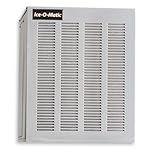
Overview: The Ice-O-Matic MFI0800A modular ice maker represents a high-capacity solution for demanding commercial environments. Producing up to 900 pounds of flake ice daily, this head unit serves restaurants, bars, and healthcare facilities requiring substantial, continuous ice supplies for preservation and display.
What Makes It Stand Out: As a modular system, it allows businesses to select appropriately sized ice storage bins based on specific space and capacity requirements. The air-cooled, self-contained condenser ensures consistent performance while reducing maintenance complexity. Ice-O-Matic’s reputation for reliability combines with specialized flake ice production that gently cools without damaging delicate items, making it ideal for seafood displays and healthcare applications.
Value for Money: At $6,219.00, this unit positions itself as a mid-to-high-range commercial solution. While expensive, its 900-lb capacity offers better cost-per-pound value than smaller units for high-volume operations. The modular design prevents overspending on unnecessary storage, and superior efficiency reduces long-term operating costs compared to less reliable alternatives.
Strengths and Weaknesses: Strengths include exceptional production capacity, reputable brand reliability, modular flexibility, efficient air-cooled condenser, and stainless steel durability. Weaknesses involve the high initial investment, requirement for separate bin purchase, potential over-capacity for small businesses, and significant space requirements.
Bottom Line: An excellent investment for high-demand commercial settings. The Ice-O-Matic delivers proven reliability and massive production capacity, making it ideal for busy restaurants, seafood markets, and healthcare facilities requiring consistent, high-quality flake ice.
What Is Flake Ice and Why It Matters for Your Business
Flake ice isn’t just crushed ice by another name. This unique form of ice is characterized by its soft, snow-like texture and irregular, flat shape. Unlike cubed or nugget ice, flake ice is produced through a distinct process where water is frozen on the inner surface of a cylindrical evaporator, then scraped off by an auger system. The result is thin, pliable flakes that mold around products and create dense, even coverage.
The Unique Characteristics of Flake Ice
The physical properties of flake ice make it uniquely valuable for foodservice applications. Each flake is approximately 2mm thick with a large surface area relative to its mass. This design promotes rapid, uniform cooling while remaining gentle enough to prevent bruising delicate seafood or creating overly watery beverages. The ice’s 73% ice to water ratio provides optimal cooling efficiency without excessive melt-off, maintaining product integrity longer than traditional cube ice.
Why Flake Ice Excels for Seafood and Smoothies
For seafood displays, flake ice creates a continuous cold chain that eliminates air pockets and maintains consistent temperatures around 32°F (0°C). This prevents bacterial growth while showcasing products attractively. In smoothie bars, flake ice blends more uniformly than cubes, creating that signature creamy texture without taxing your blender motors. The ice’s malleability also means it packs densely into cups, reducing product volume while maintaining visual appeal—a subtle but significant profit advantage.
How Flake Ice Makers Work: The Science Behind the Scenes
Understanding the mechanics of flake ice production helps you make informed decisions about durability and maintenance. These machines operate on a sophisticated continuous-cycle system that differs fundamentally from batch-production cube ice makers.
The Auger and Evaporator System
At the heart of every flake ice machine is a vertical, stainless steel evaporator cylinder. Water flows down the inner walls while refrigerant circulates outside, creating a thin ice layer. A motorized auger with sharp blades rotates continuously, scraping the ice from the walls and pushing it upward through an extrusion head that breaks it into uniform flakes. This process eliminates the energy-intensive harvest cycles required by cube ice makers, resulting in more consistent production and lower energy consumption per pound of ice.
Refrigeration Components and Efficiency
Commercial flake ice makers typically use hermetic or semi-hermetic compressors ranging from 1/3 to 3 horsepower, depending on production capacity. The system includes a condenser (air or water-cooled), expansion valve, and a specialized refrigerant management system. The continuous operation means compressors run more steadily rather than cycling on and off, which can actually extend component life when properly maintained. Modern units use R-404A or R-290 hydrocarbon refrigerants, with the latter offering superior environmental credentials and energy efficiency.
Key Differences Between Flake Ice and Other Ice Types
Not all ice serves the same purpose, and understanding these distinctions prevents costly purchasing mistakes. Many businesses mistakenly believe they can substitute cube or nugget ice for flake applications, only to discover operational inefficiencies and disappointed customers.
Flake Ice vs. Cube Ice
Cube ice, produced in batches, has a lower surface area to volume ratio, making it slower to cool but longer lasting. While excellent for beverage service, cubes create damaging air gaps in seafood displays and blend unevenly in smoothies, leaving chunks that strain equipment and create inconsistent textures. Cube ice makers also experience more downtime during harvest cycles and require more energy per pound of ice produced.
Flake Ice vs. Nugget Ice
Nugget ice (also called chewable or pellet ice) is compressed flake ice, making it denser and more suitable for carbonated beverages. However, its rigidity makes it less adaptable for display applications, and its higher production cost doesn’t justify its use in smoothie operations where flake ice performs identically. Nugget machines are also significantly more complex and expensive to maintain.
Flake Ice vs. Gourmet Ice
Gourmet or clear ice is slow-frozen to eliminate impurities and air bubbles, creating crystal-clear cubes for upscale cocktails. This production method is entirely unsuitable for high-volume seafood or smoothie applications due to extremely low production rates and high costs. The clarity offers no practical benefit for these uses.
Essential Features to Look for in a Commercial Flake Ice Maker
When evaluating specifications, focus on features that directly impact reliability, ice quality, and operational costs. The most expensive machine isn’t always the best fit, but cutting corners on critical components leads to premature failure and compromised product quality.
Production Capacity and Storage
Manufacturers rate machines by 24-hour production capacity, typically ranging from 100 to 2,000 pounds. However, the integrated storage bin capacity is equally important. A machine producing 500 lbs/day with a 200-lb bin will meet different needs than one with a 400-lb bin. Look for models where production exceeds your peak demand by 20-30%, and storage covers 2-3 hours of maximum usage. This buffer prevents shortages during unexpected rushes and allows for maintenance cycles.
Construction Materials and Durability
The evaporator should be stainless steel or nickel-plated copper for corrosion resistance. Avoid aluminum components in high-salinity coastal environments. The auger and cutter head must be heavy-duty stainless steel—cheaper carbon steel versions corrode quickly, contaminating ice and requiring expensive replacements. The exterior should be stainless steel or durable polymer; painted steel cabinets fail rapidly in humid kitchen environments.
Controls and Automation
Modern machines feature digital controls with diagnostic capabilities, allowing you to monitor production cycles, set ice thickness, and receive maintenance alerts. Some advanced models include remote monitoring via Wi-Fi, sending alerts to your phone about low ice levels, cleaning reminders, or potential failures. This technology prevents costly emergency service calls and ensures consistent ice availability.
Water Filtration Integration
Scale buildup is the primary cause of flake ice maker failure. Look for machines with integrated water filtration systems or ensure the manufacturer specifies compatible external filters. Proper filtration (typically 5-micron sediment and scale inhibition) can extend evaporator life by 300% and maintain ice clarity. Some units include automatic purge cycles that flush mineral-heavy water, further reducing scale formation.
Sizing Your Flake Ice Maker: Production Capacity Explained
Correct sizing is the most common point of failure in ice maker selection. An undersized machine creates constant stress and product shortages, while an oversized unit wastes capital and energy. The calculation requires honest assessment of your operation’s specifics.
Calculating Your Daily Ice Needs
For seafood displays, measure your display case length in feet and multiply by 35 lbs—this provides adequate depth for proper coverage. Add 20% for restocking and melt-off. For smoothie bars, track your highest-volume hour and multiply by 1.5 to account for simultaneous orders. A typical 16-oz smoothie requires 8-10 oz of flake ice. Multiply your hourly peak by operating hours, then add 25% for safety.
Understanding the 90/10 Rule
Ice makers operate most efficiently when running continuously during business hours, not cycling on and off. The 90/10 rule states that your machine should produce approximately 90% of its rated capacity during your 10 busiest hours. This ensures the compressor runs steadily without overworking while maintaining adequate reserves. If your calculations show you need 400 lbs during a 10-hour service period, select a machine rated for 450-500 lbs/day, not a 1,000-lb unit.
Planning for Growth
Consider your three-year business projection. A machine should serve your needs for 5-7 years. If you plan to expand your display case or add a second smoothie station, factor that growth into your capacity calculation now. Upgrading later means full equipment replacement, while buying slightly larger initially costs marginally more. However, avoid oversizing by more than 40%—excessive cycling in an oversized unit actually increases wear and reduces efficiency.
Air-Cooled vs. Water-Cooled Systems: Which Is Right for You?
The cooling method significantly impacts installation flexibility, operating costs, and performance in different environments. Each system has distinct advantages that must be matched to your facility’s infrastructure and local climate.
Air-Cooled Flake Ice Makers
Air-cooled models use fans to dissipate heat from the condenser, requiring adequate ventilation—typically 6 inches of clearance on all sides and ambient temperatures below 75°F for optimal efficiency. They’re easier to install, using only a water supply and drain. However, they release substantial heat into the surrounding space and consume 20-30% more energy in hot environments. In air-conditioned spaces, this heat output increases your HVAC load, creating hidden operational costs.
Water-Cooled Flake Ice Makers
Water-cooled units connect to a constant water source that carries away heat, making them ideal for hot kitchens, enclosed spaces, or high ambient temperature areas. They operate more quietly and efficiently, maintaining consistent production even when room temperatures exceed 90°F. The downside is massive water consumption—approximately 100 gallons per 100 lbs of ice produced—making them environmentally questionable and expensive in areas with high water costs. Many municipalities now restrict water-cooled equipment due to conservation concerns.
Remote Condenser Options
For businesses wanting water-cooled efficiency without the water waste, remote condenser systems offer a hybrid solution. The condenser mounts outside or in a mechanical room, connected to the ice maker by refrigerant lines. This eliminates heat and noise from your service area while maintaining energy efficiency. Installation costs are higher due to line sets and refrigerant work, but the long-term operational savings often justify the initial investment, especially in hot climates or for high-capacity machines.
The Importance of Ice Quality and Consistency
Not all flake ice is created equal. Subtle variations in production parameters create significant differences in ice texture, clarity, and performance—impacting both presentation and operational efficiency.
Ice Thickness and Temperature Control
Quality machines allow you to adjust ice thickness from 1.5mm to 3mm. Thinner ice is softer and packs more densely, ideal for delicate fish fillets that bruise easily. Thicker flakes last longer and work better for whole fish displays or bulk cooling. The ice temperature should consistently measure between 23-25°F (-5 to -4°C). Ice that’s too warm melts too quickly; ice that’s too cold clumps together and becomes difficult to work with.
Clarity and Purity Standards
Cloudy ice indicates trapped air and minerals, accelerating melt-off and creating an unprofessional appearance. Proper water filtration and controlled freezing rates produce clear, glass-like flakes. Some premium machines include a water pre-chilling chamber that removes dissolved gases before freezing, resulting in crystal-clear ice that enhances seafood presentation and creates smoother smoothie textures by eliminating air pockets.
Consistency in Production
A machine’s ability to maintain uniform flake size and texture throughout its cycle reflects engineering quality. Inconsistent ice—alternating between powdery and chunky flakes—indicates auger wear, improper water flow, or refrigerant issues. This variability creates problems in both display aesthetics and beverage consistency, forcing staff to discard subpar batches and increasing waste.
Installation Requirements and Space Considerations
Proper installation determines 50% of your machine’s performance and longevity. Inadequate planning leads to reduced production capacity, frequent breakdowns, and voided warranties.
Electrical Requirements
Most commercial flake ice makers require 115V, 208-230V, or 460V electrical service. A 115V unit producing under 400 lbs/day can plug into a standard outlet, but larger machines need dedicated circuits. Verify amperage requirements—many 230V models need 20-30 amp circuits. Undersized wiring causes voltage drops that damage compressors and reduce efficiency. Always install a dedicated circuit with proper grounding; sharing circuits with other equipment creates voltage fluctuations that prematurely age components.
Plumbing and Drainage
Flake ice makers need a potable water supply with 20-80 PSI pressure and a floor drain within 6 feet. The water line should include a shut-off valve and sediment filter. Drainage is critical—these machines purge significant water during production and cleaning. The drain must have an air gap to prevent backflow contamination and should be 2-inch diameter minimum to handle high-volume discharge. Elevated drains require a condensate pump, adding complexity and potential failure points.
Ventilation and Clearance
Air-cooled models need 6 inches minimum clearance on all sides, with particular attention to the discharge area. Enclosing a machine in a cabinet without proper ventilation can reduce production by 40% and cause compressor failure within months. The ambient temperature should remain between 50-90°F for optimal performance. In hot kitchens, consider remote condensers or water-cooled units. Also account for door swing clearance—some bins require 36 inches of front space for full access.
Placement Strategy
Locate the machine as close to the point of use as possible to minimize transport time and melt-off. For seafood displays, position it near the prep area but not in customer view—production noise can detract from the shopping experience. In smoothie bars, place it within 10 feet of the blenders but separate from heat-producing equipment like espresso machines or ovens. Consider noise levels; machines typically produce 55-70 decibels, comparable to a dishwasher.
Maintenance and Cleaning Best Practices
A well-maintained flake ice maker can last 10-15 years, while a neglected unit may fail within 3. Regular maintenance is non-negotiable for food safety and equipment longevity.
Daily and Weekly Cleaning Tasks
Staff should wipe down the exterior daily and inspect the bin for foreign objects. Weekly, remove all ice and sanitize the bin interior with a food-safe quaternary ammonium solution. Check the water filter pressure differential—if the inlet and outlet pressures differ by more than 15 PSI, replace the filter cartridge. Inspect the auger for unusual wear patterns or scoring, which indicates water quality issues or mechanical problems.
Descaling and Sanitization Schedule
Even with filtration, scale accumulates on the evaporator. Perform a full descaling every 6 months in soft water areas, and every 3 months in hard water regions (over 7 grains per gallon). Use manufacturer-approved descaling solutions—never use vinegar or household cleaners that leave residues and contaminate ice. After descaling, run two complete sanitization cycles with food-grade sanitizer. This process takes 4-6 hours, so schedule it during off-hours.
Preventative Component Replacement
Replace water filters every 6 months regardless of pressure readings—bacteria colonize filter media over time. Auger bearings typically last 3-5 years; replace them proactively during scheduled maintenance rather than waiting for failure, which can destroy the entire auger assembly. Keep a spare set of door gaskets on hand; worn gaskets allow warm air infiltration, increasing melt-off and energy consumption by up to 15%.
Energy Efficiency and Operating Costs
The purchase price represents only 20% of your total cost of ownership. Energy and water consumption dominate long-term expenses, making efficiency ratings crucial for profitability.
Understanding Energy Star Ratings
Energy Star-certified flake ice makers use 15% less energy and 10% less water than standard models. For a machine producing 500 lbs/day, this translates to approximately $200 annual savings. Over a 10-year lifespan, that’s $2,000—often offsetting the higher initial cost. Look for the Energy Star 3.0 standard, which includes stricter requirements for standby power consumption and water usage.
Kilowatt-Hour Cost Calculations
Calculate operating costs using this formula: (Wattage × Hours run per day × Days per year) ÷ 1000 × Your kWh rate. A typical 500-lb machine draws 8 amps at 230V (1,840 watts) and runs 12 hours daily. At $0.12/kWh, annual electricity cost is $970. However, in hot environments where the machine runs 18 hours/day, costs jump to $1,455. Factor this into location decisions—placing the machine in a cool back room rather than a hot kitchen saves thousands over its lifetime.
Water Usage Considerations
Flake ice makers are water-efficient, converting nearly 100% of input water to ice (unlike cube makers that purge minerals). However, water-cooled models waste significant water. A water-cooled 800-lb machine uses 800 gallons daily just for cooling. At $0.005/gallon, that’s $1,460 annually in water costs alone—plus sewer fees that often double the expense. In most cases, air-cooled with proper ventilation is more economical.
Common Applications in Seafood Displays
Maximizing the benefits of flake ice requires understanding specific techniques for different seafood products and display configurations. Proper application enhances both preservation and merchandising.
Full-Service Fish Market Displays
For full cases, create a 4-6 inch base layer of flake ice, then nestle products to show 30-40% above the ice surface. This depth maintains temperature while providing visual prominence. Use perforated drain pans beneath the ice to prevent product from sitting in meltwater, which accelerates spoilage and creates food safety issues. Refresh the top layer every 2-3 hours during peak periods, mixing new ice with existing to maintain uniform temperature.
Lobster and Shellfish Tanks
Live shellfish require drainage—never submerge them in standing water. Create a sloped ice bed (6 inches at back, 4 inches at front) that drains meltwater away. Cover only 50% of the shellfish with ice to allow breathing. For lobster tanks, use flake ice in sealed food-grade bags as cooling elements rather than direct contact, preventing salinity changes in the tank water that stress the animals.
Sushi and Raw Bar Applications
For sushi displays, flake ice must be ultra-clean and odor-free. Use dedicated machines with advanced filtration, never sharing with other kitchen ice needs. Create a smooth, level ice bed using a stainless steel scraper, then cover with food-grade plastic film before placing sushi trays. This prevents direct contact while maintaining optimal 32°F temperature. Replace the ice and film every 4 hours to ensure pristine conditions.
Optimizing Flake Ice for Smoothie Bars and Beverage Stations
Flake ice transforms smoothie operations, but only when used correctly. The right techniques improve texture, speed service, and extend equipment life.
Blender Compatibility and Ice-to-Liquid Ratios
Standard household blenders cannot handle flake ice volumes—use commercial-grade units with 3+ horsepower motors. The optimal ratio is 40% ice to 60% liquid for thick, spoonable smoothies. Flake ice’s large surface area chills faster, allowing 10-15% less ice usage compared to cubes while achieving the same temperature. This subtle reduction in ice cost adds up significantly across hundreds of daily sales.
Pre-Chilling and Ice Management
Store flake ice at 25°F rather than allowing it to warm to 32°F in an open bin. Colder ice blends faster, reducing blender wear and creating smoother textures. Use insulated ice bins or ice dispensers rather than open carts. For high-volume operations, consider an ice transport system with covered carts that maintain temperature during rush periods, preventing the clumping that occurs when flake ice partially melts and refreezes.
Flavor Infusion Techniques
Because flake ice absorbs liquids readily, it can be used for creative flavor enhancements. Freeze filtered water infused with complementary flavors (cucumber for green smoothies, berries for fruit blends) to add subtle taste dimensions without additional syrups. This technique requires a dedicated, meticulously cleaned machine to prevent cross-contamination. Always label flavored ice clearly and store separately from standard ice.
Troubleshooting Common Issues
Even premium machines encounter problems. Recognizing symptoms early prevents minor issues from becoming catastrophic failures that halt operations during peak service.
Reduced Ice Production
If output drops 20% or more, first check ambient temperature and ventilation. A 10°F increase in room temperature can reduce production by 15%. Next, inspect the water filter—clogged filters restrict flow, creating thin ice that melts faster. Check the auger for wear; a worn auger cannot efficiently scrape ice, reducing harvest. Finally, verify refrigerant pressures—low refrigerant due to leaks creates incomplete freezing.
Ice Quality Problems
Soft, slushy ice indicates the evaporator temperature is too high, often from refrigerant issues or a failing thermostat. Brittle, powdery ice suggests the auger is scraping too aggressively, usually from incorrect clearance settings or a bent blade. Discolored ice (yellow or brown) points to rusting components or contaminated water—immediately stop using the ice and inspect the evaporator, auger, and water supply for corrosion or bacterial growth.
Unusual Noises and Vibrations
Grinding sounds signal auger bearing failure—shut down immediately to prevent catastrophic damage. Hissing indicates refrigerant leaks. Rattling suggests loose components or foreign objects in the bin. High-pitched squealing comes from a failing fan motor. Never ignore unusual sounds; they always precede major failures. Document the noise type and timing to help technicians diagnose issues quickly.
Warranty and Service Considerations
A comprehensive warranty and reliable service network protect your investment and minimize downtime. Not all warranties are created equal, and fine print details matter enormously.
Understanding Warranty Coverage
Standard warranties cover parts for 3 years and compressors for 5 years. Premium manufacturers offer 5-year parts and 7-year compressor coverage. Crucially, check if the warranty includes labor—many cover parts only, leaving you with $200-400 service charges per visit. Also verify what voids the warranty: improper water filtration, inadequate ventilation, or non-authorized service are common exclusions. Some warranties require proof of professional installation and quarterly maintenance records.
Service Network and Parts Availability
Choose manufacturers with authorized service centers within 50 miles of your location. Emergency service calls from distant providers include substantial travel fees and delayed response times. Investigate parts availability—major brands stock common parts regionally, while lesser-known manufacturers may require 2-week waits for components shipped internationally. During that downtime, you’re buying bagged ice at retail prices, erasing profit margins.
Extended Warranty Options
Consider extended warranties that cover labor and include annual preventative maintenance visits. These typically cost 15-20% of the machine’s purchase price but pay for themselves with a single major repair. For high-volume operations, some providers offer loaner programs—if your machine fails, they deliver a temporary unit while yours is repaired, ensuring zero operational disruption.
Making the Investment: ROI and Business Impact
The true value of a flake ice maker extends far beyond ice production—it influences product quality, labor efficiency, and customer perception in measurable ways.
Direct Financial Returns
Calculate ROI by comparing machine costs to current ice purchasing. A business buying 300 lbs of bagged ice daily at $0.25/lb spends $27,375 annually. A $4,000 flake ice maker producing the same amount costs approximately $1,200 annually in electricity and water, plus $300 in maintenance—total $1,500. The machine pays for itself in under 6 months. Even smaller operations buying 100 lbs/day see 18-month payback periods.
Labor and Operational Efficiency
Staff retrieving bagged ice from offsite storage or freezers lose 15-30 minutes daily. At $15/hour labor, that’s $1,800-3,600 annually in unproductive time. An on-site flake ice maker eliminates this, while also reducing slip hazards from tracked meltwater and freezer burn injuries. The consistent ice availability prevents service delays during rushes, improving customer satisfaction and throughput.
Brand Perception and Product Quality
Customers associate fresh, abundant ice with quality and cleanliness. A seafood display with sparse, melting ice suggests old product and poor management. Smoothie bars with inconsistent ice textures create unpredictable customer experiences. The psychological impact on perceived value justifies the investment even beyond direct cost savings—premium presentation supports premium pricing, directly impacting profit margins.
Frequently Asked Questions
How long does a commercial flake ice maker typically last?
With proper maintenance, a quality flake ice maker lasts 10-15 years. Neglected machines may fail in as little as 3-5 years. Regular descaling, filter changes, and preventative component replacement are the primary factors determining lifespan. Machines in coastal areas with salt air or extremely hard water may see reduced longevity without enhanced water treatment.
Can I use tap water directly in my flake ice maker?
Never. Unfiltered tap water contains minerals that cause scale buildup, reducing efficiency and eventually destroying the evaporator. It also introduces chlorine and other chemicals that affect ice taste and clarity. Always install a proper water filtration system with sediment and scale inhibition capabilities. In areas with very hard water, consider reverse osmosis pretreatment.
What’s the difference between a flake ice maker and a shaved ice machine?
Flake ice makers produce ice through a continuous freezing and scraping process, creating fresh ice from water. Shaved ice machines take solid blocks of ice and shave them into fine particles. Shaved ice is suitable for snow cones but lacks the structural integrity for seafood displays and creates inconsistent textures for smoothies. The two are not interchangeable for commercial foodservice applications.
How noisy are flake ice makers during operation?
Most produce 55-70 decibels, similar to a household dishwasher or conversational speech. Air-cooled units are louder due to condenser fans. Remote condenser systems reduce noise in customer areas to under 50 decibels. For front-of-house installations, specify sound-dampening kits that reduce noise by 10-15 decibels.
Do flake ice makers require a floor drain?
Yes, absolutely. They discharge significant water during production (purge cycles) and cleaning. The drain must be within 6 feet and include an air gap to prevent backflow contamination. Wall drains are acceptable if properly elevated. Machines cannot drain into receptacles or containers—this violates health codes and creates overflow hazards.
Can flake ice makers operate in outdoor environments?
Standard units are designed for indoor use only. Outdoor installation voids most warranties and causes rapid component failure due to temperature extremes, humidity, and contaminants. If outdoor ice is necessary, purchase specialized outdoor-rated models with weatherproof enclosures, ambient temperature compensation, and enhanced corrosion protection—expect to pay 40-60% more.
How often should I clean my flake ice maker?
Exterior cleaning should be daily. Full sanitization and descaling should occur every 3-6 months depending on water hardness and usage volume. High-volume operations or those in hard water areas should clean every 3 months. Always follow manufacturer specifications—some models have automated cleaning cycles that reduce manual frequency but still require regular inspection.
What size breaker do I need for my flake ice maker?
Check the nameplate for exact requirements. Most 115V units need a 20-amp dedicated circuit. 208-230V models typically require 20-30 amps, while large 460V industrial units may need 40-60 amps. Always install a dedicated circuit—sharing circuits causes voltage fluctuations that damage compressors. The breaker should be 125% of the rated load amperage.
Are there any special ventilation requirements?
Air-cooled models require 6 inches minimum clearance on all sides, with particular attention to the condenser discharge area. The room should have active ventilation capable of removing the heat generated—approximately 3,000-5,000 BTU/hour for a 500-lb machine. In enclosed spaces, calculate HVAC load increases of 1 ton of cooling capacity per 1,000 lbs of daily ice production.
Can I make flavored or colored ice in my flake ice maker?
Only if the machine is dedicated to that purpose and thoroughly cleaned afterward. Any additives (syrups, juices, food coloring) introduce sugars and acids that promote bacterial growth and accelerate component corrosion. Most manufacturers specifically prohibit this in warranties. For flavored ice applications, use a separate machine or freeze flavored water in standard ice molds, then crush it manually—never run anything but potable water through your commercial flake ice maker.